Reviewed · OAHU TOURS
‘Auana by Cirque du Soleil at the Waikiki Beachcomber Hotel
ʻAuana brings Cirque du Soleil’s acrobatics into a distinctly Hawaiian setting, with hula dancers, singers, musicians, comedians, and high-risk aerial acts sharing one compact stage. I like the close-up theater design and the way the show treats Hawaiian songs and stories as more than decoration. Maui, the Surfriders, and Waikiki’s early tourist years all have a place here.
I also like the family-friendly mix of action and humor. The fast pace leaves little dead time, and the small venue helps even seats farther back feel connected to the performance. The main caution is seat choice: an audience member seated near the front left found the lights blinding, while several people preferred seats in the 200s because they could see the whole stage more clearly.
Key points to know before booking
- Hawaiian stories shape the show: Expect references to Maui, legendary Surfriders, hula, island music, and Waikiki’s golden age of tourism.
- The show runs about 1 hour and 20 minutes: That makes it easy to fit into a Waikiki evening.
- The theater is intimate: The compact room keeps the performers close, even from seats farther from the stage.
- Acrobatics share the bill with comedy and music: This is not a nonstop stunt show, and that variety helps the pacing.
- Seat location matters: Several bookings favored the 200s over the 100s for a fuller view, while a front-row seat on the left had distracting lights.
- The ticket is mobile: Your selected seating category, fees, and taxes are included, but food, drinks, and transportation are not.
A Hawaiian story told through Cirque spectacle
ʻAuana is built around a simple but effective idea: use Cirque du Soleil’s physical theater to tell stories connected to Hawaiʻi. Instead of placing generic acrobatics in a tropical setting, the production draws from island folklore, music, hula, and the history of Waikiki as a place that has long attracted visitors.
The show includes the mischievous Maui, known here for pulling the islands from the ocean floor. It also brings in the Surfriders, legendary figures linked with the waves, and the golden age of tourists arriving to enjoy Hawaiʻi’s beaches. These subjects give the evening a clear local identity.
I like that the program covers more than one version of Hawaiʻi. You get myth, dance, natural forces, humor, music, and the changing public image of Waikiki. The result is not a cultural lecture. It is a theatrical celebration shaped by Cirque’s familiar tools: athletic bodies, aerial work, comic timing, strong music, and carefully built stage pictures.
The cultural material matters because it gives the acrobatics a reason to be there. Maui is not just an excuse for a stunt. The Surfriders are not simply background dancers. Each part connects physical performance with a story or image from the islands.
A few more Honolulu mornings worth comparing
- Oahu Grand Circle Island and Haleiwa Tour: 9-Hr Deluxe Experience
★ 5.0 · 17,387 reviews - Oahu: Grand Tour Around Island 16 Locations plus Snorkeling
★ 5.0 · 8,669 reviews - Salute to Pearl Harbor Including USS Arizona
★ 4.5 · 7,433 reviews
Inside the Waikiki Beachcomber theater
The production is presented at the OUTRIGGER Waikiki Beachcomber Hotel, right in Waikiki. That location makes the show easy to pair with a day near the beach, dinner in the area, or an evening walk through the neighborhood. You arrange your own way there, since hotel pickup and drop-off are not included.
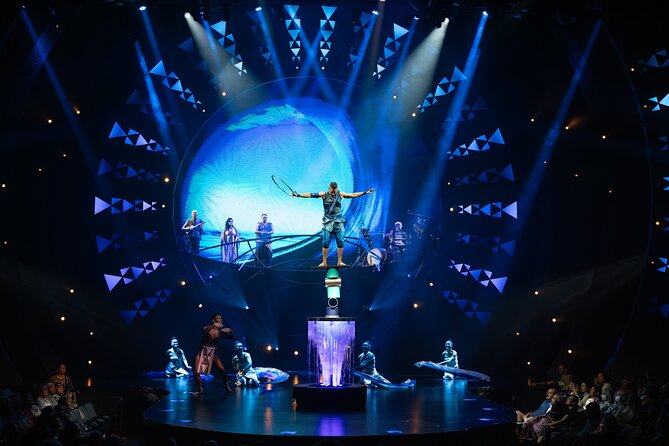
The theater itself is smaller than the large halls often associated with Cirque du Soleil. That is one of the production’s biggest advantages. You are not watching tiny figures far away under a huge roof. The performers stay relatively close, and the room helps comedy, music, and audience interaction land with more force.
A compact venue also explains the conflicting seat advice. One person found there was no bad seat and praised the sound. Others suggested sitting farther back so you can take in the entire stage. Those comments are not really contradictory. A very close seat gives you detail and proximity, while a more distant seat can give you a better view of several things happening at once.
The 100s and 200s are specifically mentioned in seating advice. Several people preferred the 200s to the 100s because they felt some of the action could be missed from the closer section. That is useful when choosing a category. Do not assume the most expensive or nearest option automatically gives the best view.
There is also a specific caution about the front row on the left side. Strong lights were distracting for one audience member, who asked to move and could not. That does not mean every seat in that area will be uncomfortable, but it is a reason to think about your priorities before booking. If you want a broad view of choreography and stage effects, a slightly farther seat may serve you better.
What happens during the 80-minute performance
The full experience lasts about 1 hour and 20 minutes. The evening is presented as one continuous show rather than a sightseeing tour with multiple stops, so the main decision is where you sit and how you fit it into your Waikiki plans.
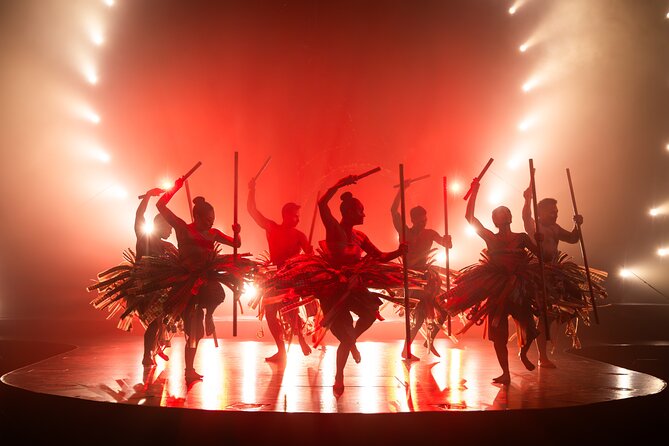
The opening sections establish the show’s Hawaiian setting through songs, stories, and visual references. From there, the performance moves through different parts of island life and folklore. The program can shift from a traditional hula passage to a comic moment, then into aerial work or a high-risk acrobatic act.
That variety is central to the pacing. If you want only aerial stunts, parts of the production may feel slower. If you appreciate music, dance, comedy, and cultural storytelling alongside physical skill, the range is a strength.
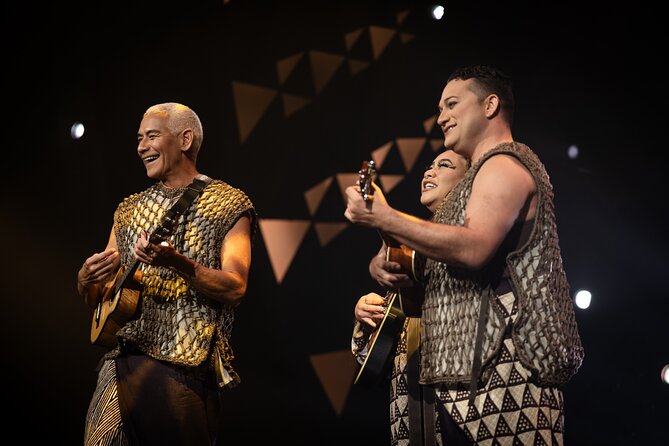
The cast brings together local and international talent. Hula dancers help ground the show in Hawaiian performance traditions, while acrobats and aerial artists provide the Cirque scale of physical spectacle. Musicians and singers carry much of the emotional tone, and comedians keep the evening from becoming solemn.
Audience interaction is also part of the experience. One family described the show as highly interactive, and another mentioned a family member being brought onstage. That suggests you should expect some direct contact with the audience, though the details may vary from performance to performance.
The show also uses high-tech production elements. Lighting and sound contribute to the impact, but they can affect seat comfort, especially near the stage. The same lighting that makes a large acrobatic moment dramatic can be intense from a particular angle.
Maui, the Surfriders, and Waikiki’s changing image
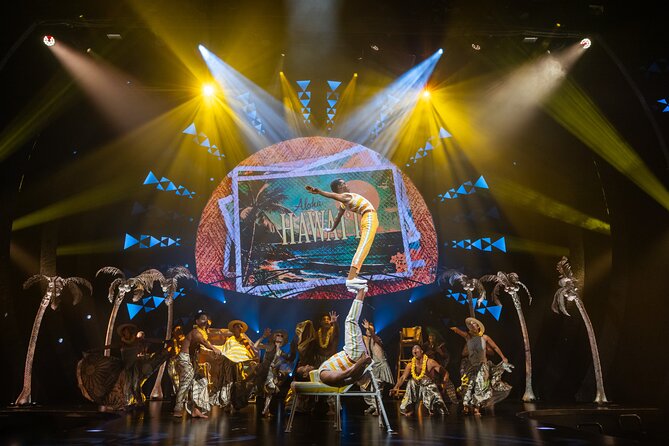
The Maui material gives ʻAuana a mythic starting point. His connection with pulling the islands from the ocean floor allows the production to present Hawaiʻi as a place shaped by powerful forces, clever heroes, and stories passed through generations.
The Surfriders shift the mood toward the ocean. Their movement links dance and wave riding, bringing the stage closer to the physical feel of surfing without turning the show into a literal sporting demonstration. This section is a good example of how ʻAuana blends Hawaiian ideas with Cirque’s physical language.
The show also looks toward Waikiki’s golden tourist era. That choice adds a historical layer without turning the evening into a formal history program. You see how Hawaiʻi has been presented to outsiders, then place that image beside local traditions and older stories.
I find that contrast useful. It keeps the production from treating the islands as a single postcard image. Hawaiʻi appears here as mythology, music, dance, ocean culture, performance, and a destination shaped by tourism.
The show should still be approached as entertainment, not as a complete guide to Hawaiian culture. Its aim is theatrical and symbolic. It offers selected stories and impressions through a polished production. If you want a detailed account of Hawaiian history or cultural practice, this is not the right format. If you want a lively stage show with a clear Hawaiian focus, it fits well.
Same island, a completely different kind of day:
- Majestic Circle Island Tour with Lunch
★ 5.0 · 7,014 reviews - Oahu’s Ultimate Tour: Dole, Turtle Snorkel, Pali Lookout & More
★ 4.5 · 5,461 reviews - Oahu Circle Island Tour with Turtle Snorkeling— Small-Groups
★ 5.0 · 5,214 reviews - Oahu: Pearl Harbor USS Arizona Memorial
★ 4.5 · 5,209 reviews
Why the music and hula matter
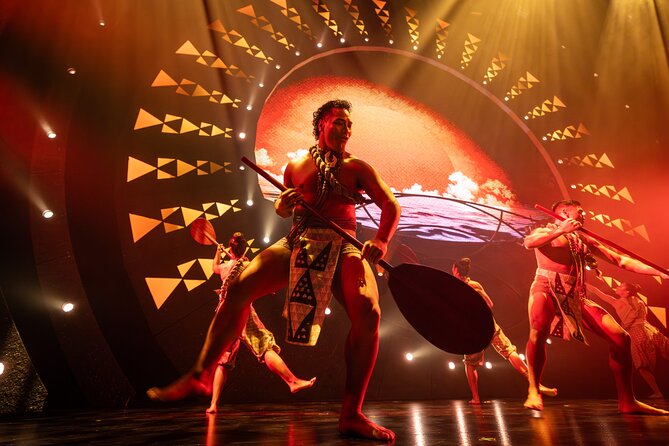
The Hawaiian music is one of the production’s strongest features. Singers and musicians are not simply filling pauses between stunts. They help carry the show from one story to the next and give the acrobatics a sense of place.
Hula is equally important. The hula dancers provide a different kind of physical skill from the acrobats. Their movements are measured, expressive, and tied to storytelling, while the acrobatic acts rely on speed, balance, strength, and risk.
That contrast gives the show emotional range. A sequence of difficult stunts can impress you, but a hula passage can slow the rhythm and make the story more reflective. Comedy then provides another change of pace.
The performers also include comedians, which helps make the production accessible to a broad age range. Families can enjoy the humor, while adults can appreciate the music, choreography, and cultural references. The show is not presented as a solemn cultural performance, so expect playfulness alongside respect.
The best moments come from the combination. A song or dance number can establish the mood, then the acrobats carry that mood into a physical sequence. You are not asked to choose between Hawaiian performance and Cirque spectacle. ʻAuana keeps both in the same production.
Is the ticket good value?
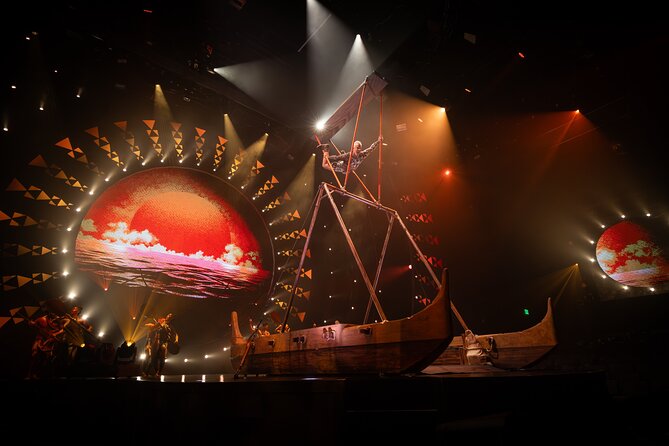
No price is provided here, so I cannot tell you if a particular booking is a bargain. I can tell you what the ticket covers and what value to look for.
Your ticket includes admission to ʻAuana in the seating category selected when you book. All fees and taxes are included. That makes the basic cost easier to understand, since there should not be a separate fee added for those items.
Food and drinks are not included. Transportation is also your responsibility. Since the theater is at the Waikiki Beachcomber Hotel, many people can treat this as a straightforward evening activity in Waikiki rather than paying for a separate transfer.
The value is strongest if you want several types of entertainment in one sitting. You get acrobatics, aerial performances, music, singing, hula, comedy, audience interaction, and a Hawaiian story framework. Paying for only one of those elements might not suit every budget, but the variety helps justify the ticket for someone seeking a full stage production.
The 80-minute duration also matters. It is long enough to feel like a complete evening performance, but short enough to pair with dinner or another Waikiki plan. If you prefer a long theatrical production with an intermission, this may feel brief.
The ticket is non-refundable and cannot be changed after booking. I would confirm your date, seating category, and plans before paying. A mobile ticket is convenient, but it does not make the booking flexible.
Who will enjoy ʻAuana most?
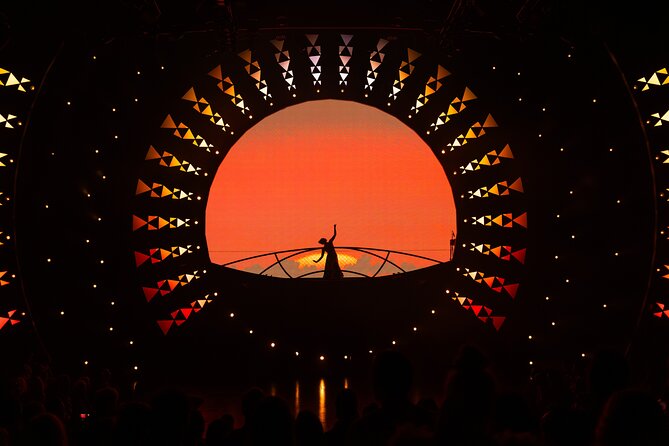
I would recommend this show to families, couples, friends, and solo visitors who want a polished evening in Waikiki. The mix of humor, music, dance, and action gives different age groups something to follow.
It also suits people who have already seen Cirque du Soleil elsewhere but want a production shaped around Hawaiʻi. The show keeps the recognizable Cirque ingredients while adding local and international performers, Hawaiian music, hula, folklore, and Waikiki history.
A first-time Cirque viewer should find the format easy to understand. You do not need special background knowledge to enjoy a singer, comic, dancer, or acrobat. The Hawaiian references add meaning, but the show remains visual and accessible.
I would be more cautious if you dislike loud or dramatic stage lighting, have a strong preference for a completely traditional hula performance, or want a detailed historical presentation. ʻAuana is a hybrid. It respects Hawaiian themes while presenting them through an international entertainment company’s style.
It may also be less ideal if you want to record the show. One audience member specifically noted that video recording was not allowed, though photographs could be purchased. Treat this as a performance to watch in the moment rather than a show to capture on your phone.
Practical choices before you book
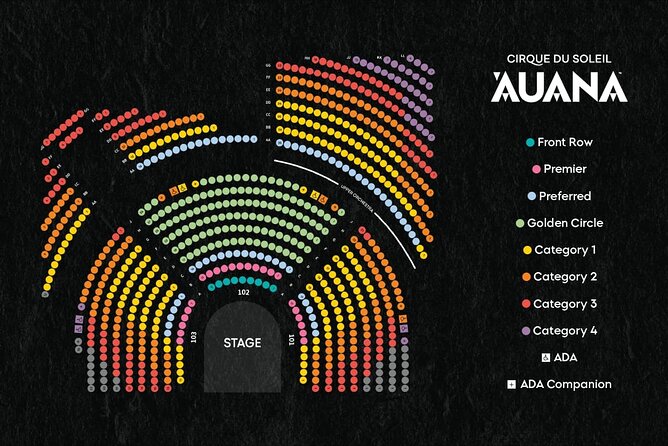
Plan to arrive at the Waikiki Beachcomber Hotel with enough time to locate the theater and settle into your seat. The booking provides a mobile ticket, but it does not include hotel transportation, food, or drinks.
Think carefully about your seating category. The close theater means even farther seats can feel connected to the action, and several people preferred the 200s because they could see more of the full stage. If you choose a very near seat, consider the possibility of stronger lighting from certain angles.
The show is suitable for most people, and anyone under 18 must be accompanied by someone at least 18 years old. The supplied information does not give further seating or access details, so contact the provider if you need a specific accommodation.
The overall rating is 4.9 from 540 ratings, with 96 percent recommending it. Those numbers match the main strengths I would expect from the production: strong performers, frequent changes in style, a small theater, good sound, and a clear Hawaiian theme. The few cautions are practical rather than artistic, especially seat angle and the fixed booking policy.
Should you book ʻAuana?
Book it if you want one polished Waikiki evening that combines Hawaiian music and hula with aerial acts, acrobatics, comedy, and theatrical effects. The show is especially useful when your group has mixed interests, since it offers more than one kind of performance.
Choose a seat that lets you see the full stage rather than assuming the closest section is best. The 200s may give you a broader view, while a front-side position can bring unwanted glare. Confirm your plans before booking because the ticket cannot be refunded or changed.
I would make ʻAuana a strong choice for a first Cirque du Soleil experience in Hawaiʻi, or for anyone who wants something more locally focused than a standard acrobatics show. It is not a substitute for learning Hawaiian culture in depth, but it offers an entertaining and respectful stage interpretation with enough variety to keep the 80 minutes moving.
FAQ
Where is ʻAuana by Cirque du Soleil performed?
The show is performed at the OUTRIGGER Waikiki Beachcomber Hotel in Honolulu, Hawaiʻi.
How long does the show last?
The performance lasts approximately 1 hour and 20 minutes.
What does the show include?
It includes acrobatics, aerial performances, comedy, live music, singers, hula dancers, and stories connected with Hawaiian folklore and Waikiki.
Is the ticket mobile?
Yes. The experience provides a mobile ticket.
Does the ticket include taxes and fees?
Yes. All fees and taxes are included in the ticket.
Does the booking include food or beverages?
No. Food and beverages are not included.
Is hotel transportation included?
No. Hotel pickup and drop-off are not included.
Can children attend?
Most people can participate, and people under 18 must be accompanied by someone aged 18 or older.
Can I cancel or change my booking?
No. The experience is non-refundable and cannot be changed for any reason.
Does the ticket guarantee a particular seating area?
Your ticket is for the seating category selected at booking. The available information does not specify an exact seat within that category.
Just added around Honolulu
- Honolulu: Waikiki Food Tour with Local Guide★ 5.0 · 3 reviews
- Honolulu: SUP (Standup Paddleboard) Yoga Class★ 5.0 · 5 reviews
- Honolulu: 90 Minute Catamaran Sunset Sail★ 4.8 · 64 reviews
- Honolulu: Sunset 5 Course Dinner Cruise with Entertainment★ 4.4 · 28 reviews
- Honolulu: Stunning Views of Oahu! Half-day Scenic Tour★ 4.8 · 107 reviews
- Honolulu: Pacific Star Sunset Buffet and Show★ 4.1 · 51 reviews
- Honolulu: Magic Island & Beach Segway Tour★ 5.0 · 10 reviews
- Honolulu: Liljestrand House Architectural Tour★ 5.0 · 5 reviews
Oahu Tours, compared.
Oahu Grand Circle Island and Haleiwa Tour: 9-Hr Deluxe Experience
Read our review →
Grand Tour Around Island 16 Locations plus Snorkeling
Read our review →
Oahu’s Ultimate Tour: Dole, Turtle Snorkel, Pali Lookout & More
Read our review →
Oahu Circle Island Tour with Turtle Snorkeling— Small-Groups
Read our review →