
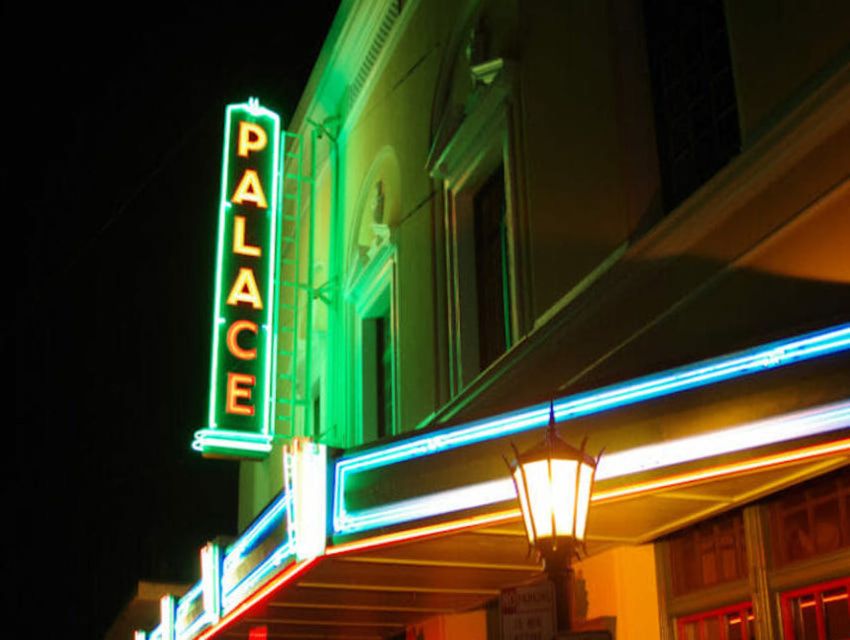
Reviewed · WALKING TOURS
Hilo: Walking Ghost Tour
Hilo’s ghost stories are not limited to creaky buildings and spooky rumors. They connect to Hawaiian spiritual traditions, Japanese accounts of the supernatural, deadly tsunamis, the Merrie Monarch Festival, and the sacred presence of Mauna Kea. That gives this two-hour walk more substance than a standard haunted-city stroll.
I like the way the tour uses real Hilo landmarks as its storybook. I also like the small group size, limited to 10 people, which should make it easier to hear the guide and ask questions. The main consideration is that $64 is a serious price for a walking tour, especially since it does not include food, transportation, or entry to attractions. You are paying for the guide’s storytelling and local context.
Key points
- Hawaiian and Japanese ghost lore: Hear about ʻuhane, ʻaumakua, moʻo, and akualele alongside Japanese supernatural accounts.
- Historic Hilo setting: Walk past the Kress Building, Palace Theatre, Naha Stone, Kalakaua Park, and other central landmarks.
- Tsunami stories with a human cost: The Pacific Tsunami Museum adds historical weight to the tales of wandering spirits.
- Merrie Monarch connections: Strange stories linked to Hilo’s famous annual hula festival form part of the evening’s folklore.
- Small group format: The tour is limited to 10 participants and led in English.
- Practical conditions: It lasts two hours, runs rain or shine, and calls for comfortable shoes and warm clothing.
Hilo’s supernatural side begins at the Wailuku River
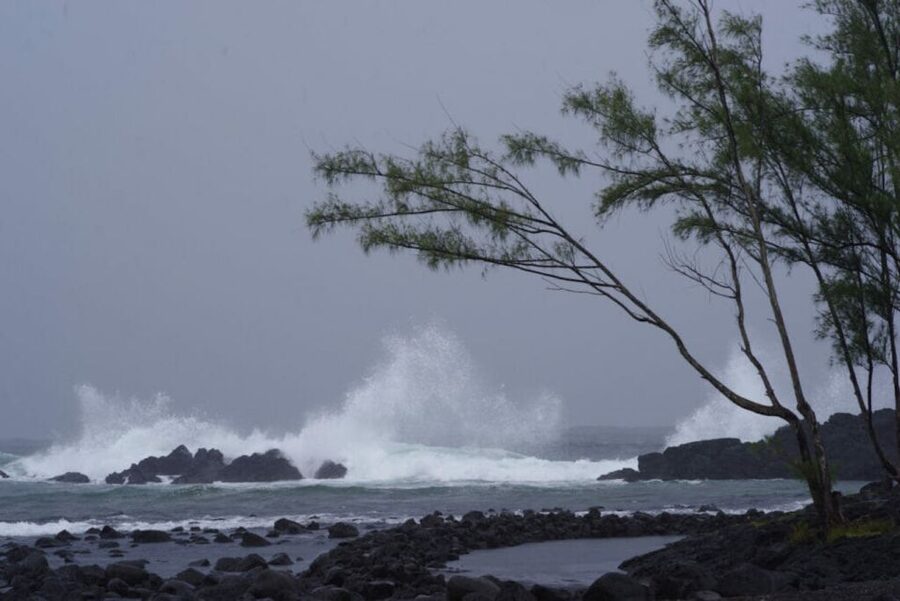
The meeting point is the historical marker near Day-Lum Properties at 2 Kamehameha Avenue. From there, the walk moves toward the Wailuku River, where the guide introduces the idea of a moʻo, a powerful sacred being that can take the form of a giant lizard or dragon in Hawaiian tradition.
This opening matters because it sets the tone. The tour is not simply asking you to imagine a ghost in an old shop window. It presents supernatural stories through Hawaiian ideas about land, family, ancestors, curses, and spiritual danger. You get a distinctly local view of the paranormal rather than a collection of imported haunted-house clichés.
The guide also shares tragic incidents connected with powerful supernatural forces. Exact stories can vary with the guide and the evening, but the point is clear: in Hawaiian culture, the spirit world can be connected to places, family lines, and natural forces. Listen for those connections, since they are more interesting than a simple list of supposedly haunted addresses.
The first stop near Coldwell Banker DAY-LUM Properties, associated with Sam Butler, is listed as a brief photo stop and visit. Do not expect a long indoor attraction here. Its value is in the guide’s account of the place and its role in the walk through old Hilo.
More walking tours in Hilo:
- Kona Walking Food Tour
★ 5.0 · 402 reviews - Self guided Hike Trail to Nature Walk & Waterfall
★ 4.5 · 283 reviews - Walking Food Tour Exploring Hanalei
★ 5.0 · 282 reviews
Historic storefronts give the stories a setting
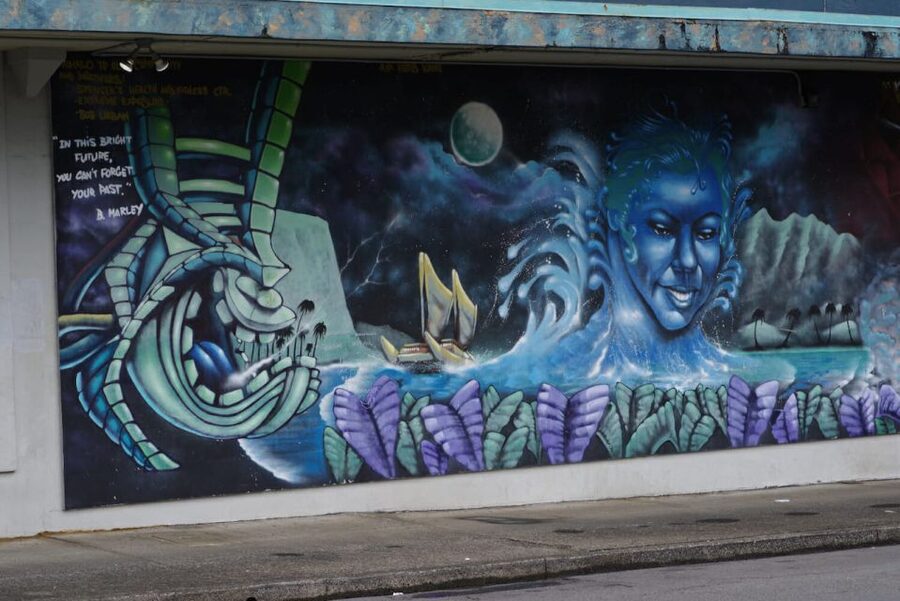
Hilo’s central streets retain a quaint, pre-World War II character, with older storefronts, murals, and public buildings gathered within a compact area. That makes the walking format useful. You are not being driven from one isolated story to another. The town itself becomes part of the experience.
The Kress Building is one of the stops. Like several locations on this route, it is scheduled for about 10 minutes. That is enough time for a short explanation, photographs, and a few questions, but not enough for a full architectural tour. If you want detailed information about every building, you may find the pace brisk.
The Palace Theatre, Hilo, brings another layer to the route. Historic theaters are natural settings for ghost tales because they combine old buildings, performers, audiences, and generations of local memories. Here, the stop is less about entering for a show and more about hearing the stories tied to the building while you are standing outside it.
The Exhibit Gallery of Art and Events, along with Hilo Town Tavern, continues the pattern of using central gathering places as story points. These stops help show how Hilo’s supernatural tales fit into ordinary community life. Art spaces, restaurants, theaters, and public parks are not separated from the folklore. They are where people work, gather, celebrate, and remember.
The Merrie Monarch Festival receives special attention during the walk. Hilo’s annual celebration is closely tied to hula and Hawaiian culture, and the tour includes strange tales connected with the event. This is one of the more distinctive details in the experience. It links a major local festival with stories of unusual encounters, rather than treating Hilo as a generic haunted town.
The Pacific Tsunami Museum adds gravity
The Pacific Tsunami Museum is one of the most important stops because it shifts the mood from playful mystery to genuine loss. The tour uses the museum as a place to discuss wandering spirits left behind after deadly tidal waves.
You should understand what this means before booking. This is not a museum admission visit. The itinerary describes a 10-minute photo stop and visit, so the guide’s outdoor presentation forms the main part of your experience there. If you want the museum’s full exhibits, displays, and educational material, you would need to arrange that separately.
Still, the stop gives the ghost stories a serious historical foundation. Tsunamis are not just dramatic scenery for a supernatural tale. They caused real destruction and loss in Hilo, and the idea of spirits remaining after such events reflects grief as much as fear. I appreciate this kind of context because it keeps the tour from turning tragedy into a cheap scare.
The guide’s storytelling also connects the museum to the concept of the ʻuhane, a wandering spirit. You will hear about different kinds of local spiritual beings during the walk, but they do not all mean the same thing. The tour introduces these terms as part of Hawaiian belief and local storytelling, giving you a better sense of the words used to describe spirits, ancestors, and supernatural events.
Naha Stone and Kalakaua Park bring in Hawaiian tradition
The Naha Stone is another central Hilo landmark on the route. The stop gives the guide a chance to discuss Hawaiian tradition, power, lineage, and the spiritual meaning attached to important objects and places.
The Naha Stone is not presented as a museum visit or a hands-on activity. Expect a short stop of around 10 minutes, with time for photographs and explanation. Its inclusion makes the walk more than a parade of buildings. It adds a cultural reference point that helps you understand how Hawaiian stories can attach meaning to physical objects.
Kalakaua Park is the final listed sightseeing stop before the walk finishes. Parks can feel less spooky than old theaters or commercial buildings, but that contrast is useful. The tour is showing you that supernatural stories are not confined to visibly aging structures. They can be part of public spaces and daily life.
The guide also explains the spiritual influence of Mauna Kea. The mountain is sacred, and its importance reaches beyond its physical height or appearance. Since the tour takes place in Hilo, this reference gives the stories a wider Hawaiian setting. You are hearing about a place that has religious and cultural significance, not simply a scenic mountain in the distance.
A few more Hilo mornings worth comparing
- Hilo: Mauna Kea Summit, Sunset, & Stargazing Experience
★ 4.8 · 629 reviews - Big Island: Volcanoes, Waterfalls, & Coffee Farm Day-Trip
★ 4.9 · 414 reviews - Volcano Adventure: Hilo Sightseeing w/ Optional Helicopter Tour
★ 4.5 · 412 reviews - Hilo Shore Excursion: Active Volcano, Lava Tube, Waterfall and Gardens
★ 5.0 · 393 reviews
Understanding ʻuhane, ʻaumakua, and akualele
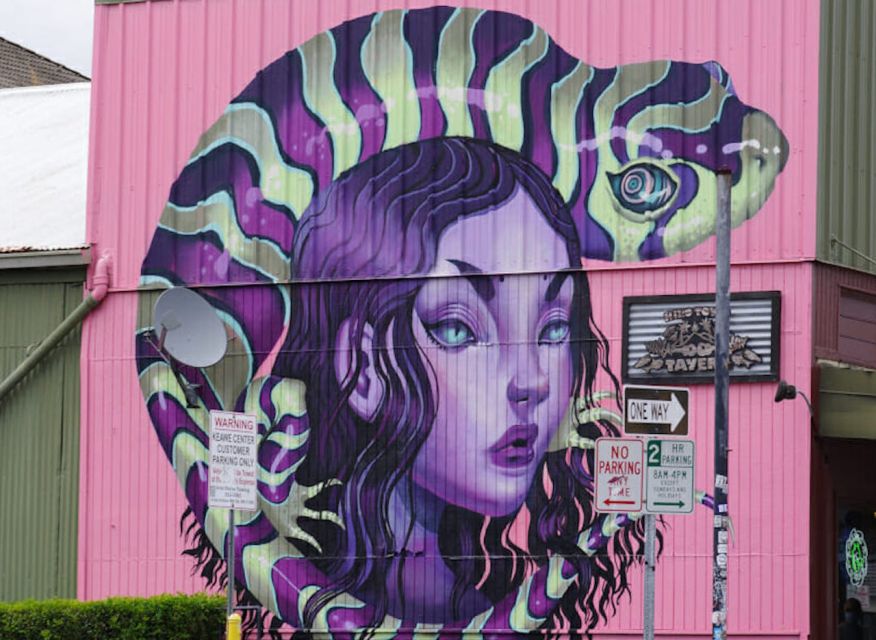
By the latter part of the walk, you will have encountered several Hawaiian terms that help organize the tour’s ideas.
An ʻuhane is described here as a wandering spirit. The Pacific Tsunami Museum connection gives that concept a particularly serious setting, linking it to people who died in major tidal waves.
An ʻaumakua refers to ancestors transformed into family gods. This idea is quite different from the usual Western image of a ghost. It places ancestors within an ongoing family and spiritual relationship, rather than treating them only as frightening figures from the past.
Akualele are mysterious fireballs associated with curses and the dead. They provide one of the tour’s more unusual supernatural images. The story is not simply about a person appearing in a doorway. It concerns strange lights, death, and the possibility of a curse.
The walk also includes Hawaiian and Japanese accounts of supernatural encounters. Hilo’s cultural mix gives those stories a broader frame. You are not hearing one single explanation for unusual events. You are hearing how different traditions describe spirits, danger, death, and the unknown.
That is where the tour is likely to be most rewarding. If you enjoy cultural context, oral storytelling, and local belief systems, the material gives you plenty to think about after the walk. If you want constant scares, theatrical effects, or actors jumping out from dark corners, this may feel too calm and talk-focused.
A two-hour route with short stops
The route includes nine points, counting the start and finish, with most sightseeing stops planned for about 10 minutes. The schedule gives the walk a clear structure:
- Start near the historical marker at 2 Kamehameha Avenue
- Coldwell Banker DAY-LUM Properties, associated with Sam Butler
- Pacific Tsunami Museum
- Kress Building
- Palace Theatre, Hilo
- The Exhibit Gallery of Art and Events and Hilo Town Tavern
- Naha Stone
- Kalakaua Park
- Finish at Jackie Rey’s Ohana Grill Hilo
The tour ends at Jackie Rey’s Ohana Grill Hilo, which is described as a site of paranormal activity. You leave the guide there, with the final stories involving ʻuhane, ʻaumakua, and akualele still fresh in your mind.
Because the walk is only two hours, you should plan to eat before or after rather than expect a meal along the way. The finish at a restaurant is convenient if you want to continue your evening, but dining is not included.
You will want comfortable walking shoes. Warm clothing is also recommended, and that advice is worth taking seriously even in Hawaii. The tour runs rain or shine, so a light rain layer would be sensible, although the stated requirements only specifically mention comfortable shoes and warm clothing.
The tour is wheelchair accessible, which is useful information for anyone planning around mobility needs. The supplied details do not describe the exact surface conditions or any difficult sections, so you may still want to confirm route specifics when booking if you need precise accessibility information.
Is $64 a fair price for this Hilo ghost walk?
At $64 per person, this is not a bargain sightseeing stroll. The price makes more sense if you value a live guide who can explain Hawaiian and Japanese traditions, connect the stories to Hilo’s landmarks, and answer questions in a small group.
The limit of 10 participants improves the value. A ghost walk depends on hearing the story, and a large crowd can make a quiet street stop frustrating. With a small group, you should have a better chance of following the guide’s details and asking about the terms and legends that interest you.
The tour includes the guide and walking tour only. There is no hotel pickup or drop-off, and there is no stated museum admission, food, or drink. Plan to reach the meeting point near Day-Lum Properties on your own.
A strong recent rating of 4.7 from eight ratings suggests that the storytelling has generally landed well. The most consistent praise focuses on the guide’s stories, the amount of information about Hilo and Hawaii, and the blend of local history with myths. One German-speaking participant specifically described the guide as very warm and said the tour covered Hawaiian history and gods in a worthwhile way. The tour itself is in English, so do not book it expecting German narration.
Who will enjoy this more than a standard ghost tour?
I would choose this walk if you want a cultural ghost tour, not just a spooky night out. It suits people who enjoy local legends, historic buildings, Hawaiian spiritual concepts, Japanese supernatural stories, and the way communities explain unusual events.
It also works well for visitors who want to see central Hilo on foot. The route passes several recognizable landmarks in a short period, and the guide provides a reason to notice buildings and public spaces you might otherwise walk past.
Families with older children may enjoy the unusual subject matter, but the tour includes tragic events, death, curses, and disaster. Parents should decide if that tone suits their children. The small group is also helpful for couples or solo visitors who prefer conversation over a large guided crowd.
I would skip it if you dislike walking in uncertain weather, need a fast-paced attraction with visual effects, or want full admission to the Pacific Tsunami Museum. I would also think twice if $64 feels high for two hours without transportation or food.
Should you book the Hilo Walking Ghost Tour?
Book it if you want Hilo’s supernatural stories placed inside Hawaiian culture and local history. The strongest parts are the moʻo near the Wailuku River, the tsunami-related spirits, the Merrie Monarch tales, the discussion of Mauna Kea, and the explanation of ʻuhane, ʻaumakua, and akualele.
The best value comes from the guide, not from the number of sights. Go ready to listen, ask questions, and walk in rain or shine. If that sounds like your kind of evening, this small-group tour offers an unusual way to meet historic Hilo. If you want thrills, theatrical scares, or a low-cost sightseeing option, spend your $64 elsewhere.
FAQ
How long is the Hilo Walking Ghost Tour?
The tour lasts two hours.
Where does the tour begin?
It begins at the historical marker near Day-Lum Properties at 2 Kamehameha Avenue.
Where does the tour finish?
The tour finishes at Jackie Rey’s Ohana Grill Hilo.
What language is the tour conducted in?
The live guided tour is conducted in English.
Is the tour wheelchair accessible?
Yes, the activity is listed as wheelchair accessible.
What should I bring?
Bring comfortable shoes and warm clothing. The tour takes place rain or shine.
Just added around Hilo
- Hilo: Waterfall Hike and Swim with Native Hawaiian★ 4.9 · 8 reviews
- Hilo: Kilauea Fissure 8 Hiking, Volcanoes and Waterfalls★ 4.7 · 3 reviews
- Hilo: Elite Volcano Hike★ 4.8 · 8 reviews
- Hilo: Discover Hilo Helicopter Tour★ 4.1 · 35 reviews
- Hawaii: All-Inclusive Volcanoes and Waterfalls Private Tour★ 5.0 · 3 reviews
- From Big island-Volcanoes & waterfall tour in a small group★ 3.8 · 4 reviews
- From Hilo: Hawaii Volcanoes National Park Tour★ 4.9 · 70 reviews
- Big Island: Volcano, Black Sand Beach, Waterfall, with Lunch★ 4.9 · 44 reviews
Walking Tours, compared.
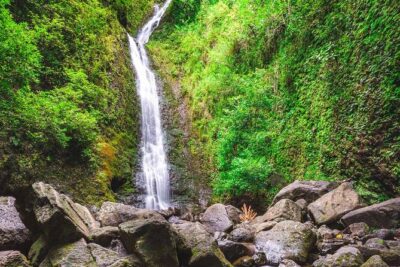
Self guided Hike Trail to Nature Walk & Waterfall
Read our review →
Honolulu Haunts: Ghosts and Spirits Walking Tour
Read our review →
Browse the lists this tour appears in