
Reviewed · SCUBA DIVING
First-Time Scuba Diving in Honolulu + Free Videos
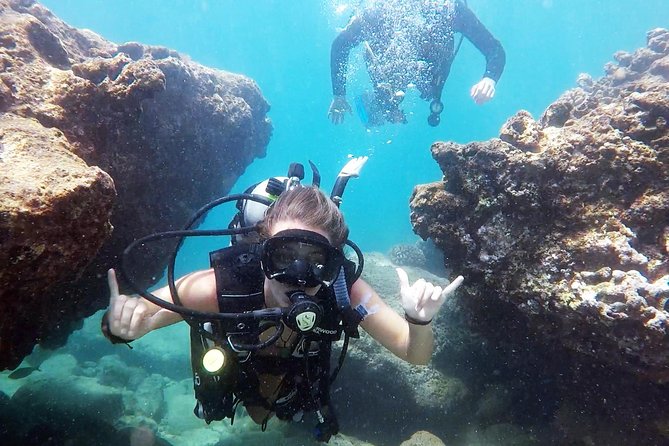
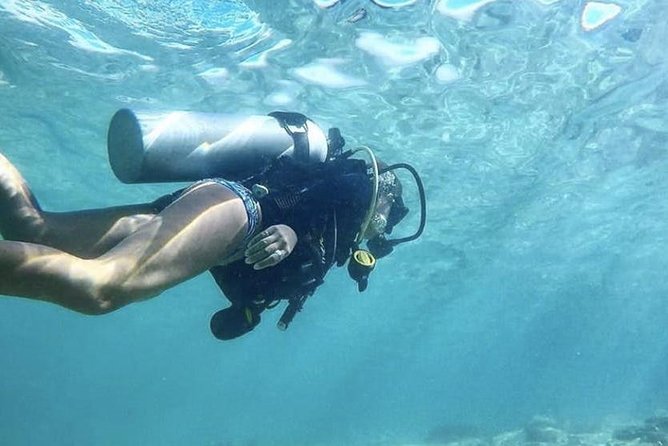
At Magic Island Lagoon, you can try scuba without certification and reach about 15 feet below the surface. The calm, shallow setting helps first-timers get comfortable, while the guides look for sea stars, octopuses, tropical fish, and other marine life.
I like the patient, hands-on instruction, especially for nervous beginners. I also like that all gear is included and you receive underwater photos and video afterward, which adds real value to the $89 price.
The main drawback is that conditions can change. Wind, water clarity, and the lagoon setting may limit what you see, and some people find the actual underwater portion shorter than expected.
Key points to know before you book
- No certification or swimming experience is required: You must be comfortable in the water and able to walk while carrying the equipment.
- The session stays shallow: The maximum depth is about 15 feet, making this a gentle introduction rather than a full open-water scuba trip.
- Guides make or break the experience: Alex, Nick, Danny, Dan, and Rida have been singled out for calm instruction and close attention to safety.
- Magic Island Lagoon is mellow but not wild: The protected water is easier for beginners, though visibility and marine life can vary.
- Your media is included: The guide takes GoPro photos and videos, usually shared before you leave.
- Plan around flying: Flying within 12 hours after the session is not recommended.
What this Honolulu scuba lesson is really like
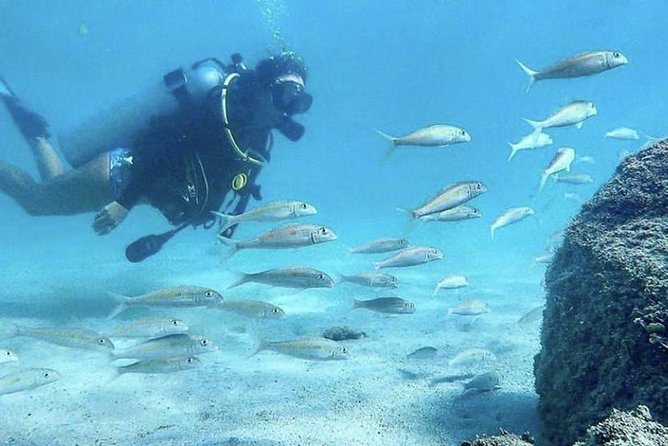
This is a short, beginner-focused underwater session at Magic Island Lagoon, part of Ala Moana Beach Park. You are not signing up for a full certification course or a long boat trip to a distant reef. Instead, you get a simple introduction to breathing underwater, moving with scuba equipment, and staying calm beneath the surface.
That simplicity is the appeal. You can test scuba without buying a certification course, committing to several days of lessons, or spending much of your vacation on a boat. For many people, the hardest part is not the equipment. It is trusting the mask, regulator, and breathing system for the first time. This experience gives you a controlled place to get past that first hurdle.
The price is $89 per person. For that amount, you receive instruction, equipment, an instructor in the water, a small-group format, and underwater GoPro media. That is a fair package if you want a first taste of scuba and value having photos and video to take home.
The tradeoff is time. The full appointment lasts about 90 minutes, but part of that includes fitting gear, hearing safety instructions, and getting into the water. One person described the underwater portion as very short, while others felt they stayed below long enough to see plenty of fish and coral. Go in expecting an introduction, not a full-length reef expedition.
More Scuba Diving in Oahu
- Honolulu: Beginner Scuba Diving Tour With Free Videos
★ 5.0 · 57 reviews - Oahu Shark Dive
★ 5.0 · 2,903 reviews - Oahu: Shark Cage Dive on the North Shore
★ 4.8 · 1,485 reviews
Starting at Magic Island Lagoon
You meet at Magic Island Lagoon in Honolulu’s Ala Moana Beach Park and finish at the same place. Hotel pickup and drop-off are not included, so you need to make your own way there. The meeting point is near public transportation, which helps if you are not renting a car.
The beach setting keeps the start easy. You are not boarding a boat, crossing open water, or dealing with a long ride before the lesson begins. After meeting your guide, you get fitted with a wetsuit and scuba equipment. You must be physically able to walk with the gear, so this is worth considering if you have mobility limits.
The maximum group size is 16 people, though some sessions are much smaller. One family described a group of only four, which allowed plenty of individual attention. A larger group can feel less personal, but the instructor remains with the participants in the water.
Arriving early is a smart move. One family arrived at 7:30 a.m. for an 8 a.m. session and entered the water around 8:45. An early start may also help with marine life, since one guide, Alex, advised that the first session of the day is often best for seeing animals.
Learning the gear before entering the water
The safety lesson is an important part of the experience, not a formality to rush through. You learn how the equipment works, receive basic instructions, and get used to wearing the mask, fins, wetsuit, and air system.
Your guide then takes you into waist-deep water. This gradual start is one of the strongest features for first-timers. You can work on breathing and body position while still close to shore, instead of being dropped straight into deeper water.
The guides receive especially strong praise for patience. Nick has helped nervous adults and children settle down, while Alex has been noted for clear instructions and a calm manner. Danny has also been praised for staying patient and friendly while teaching. Rida and Dan have been singled out for making the session feel relaxed and safe.
That personal support matters. A mask that leaks, a fin that feels wrong, or the first breath through a regulator can make a new diver panic. One participant had trouble with both a mask and fin but said the instructor stayed patient and helped them through it. You should feel free to signal if something feels wrong. The lesson is designed to build confidence, not test how much discomfort you can tolerate.
No swimming experience is required, but you must be comfortable in the water. That distinction is important. You do not need to be a strong swimmer, but this is not a good choice if being in waist-deep water makes you uneasy.
Moving from waist-deep water to 15 feet
Once you are comfortable, the guide takes you farther out and down to a maximum depth of about 15 feet. That is shallow by scuba standards, but it is enough to give you the real sensation of moving underwater with a tank.
The instructor stays with the group and checks on participants during the session. For a first attempt, this close support is more valuable than reaching a great depth. You can focus on breathing, looking around, and following simple directions instead of navigating alone.
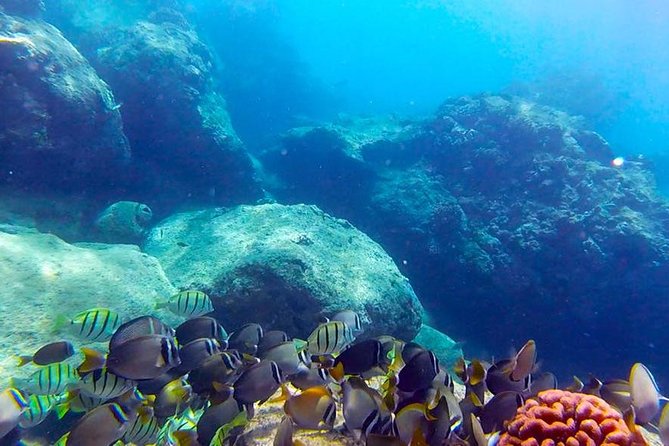
The lagoon is generally described as calm and mellow, which suits beginners. You might see bright fish, coral, sea stars, sea cucumbers, octopuses, jellyfish, or other small marine life. Some participants also reported seeing spotted boxfish and dolphins, though you should treat those sightings as luck rather than part of the standard promise.
The lagoon also has limits. One unhappy participant found the water murky and described the area as feeling like a small pool separated from the open sea, with few animals visible. That is a useful warning. This is not the place to book if your main goal is dramatic reef scenery or guaranteed turtle sightings.
Water clarity and wind can affect the plan. The guide may adjust the activity if conditions change. The setting is protected and practical, but it may not offer the clear blue water you picture when you think of a tropical Pacific outing.
More Scuba Diving in Honolulu:
- Shark Cage Diving on Oahu’s North Shore
★ 5.0 · 1,391 reviews - Beginner Scuba Diving Experience with Video Package in Honolulu
★ 5.0 · 877 reviews - Safe and Educational Shark Dive from Haleiwa: Sharks Guaranteed
★ 5.0 · 553 reviews - 2 Tank Lanai Cathedral Scuba Dive Via Boat for Certified Divers
★ 5.0 · 548 reviews
The marine life: enjoyable, but never guaranteed
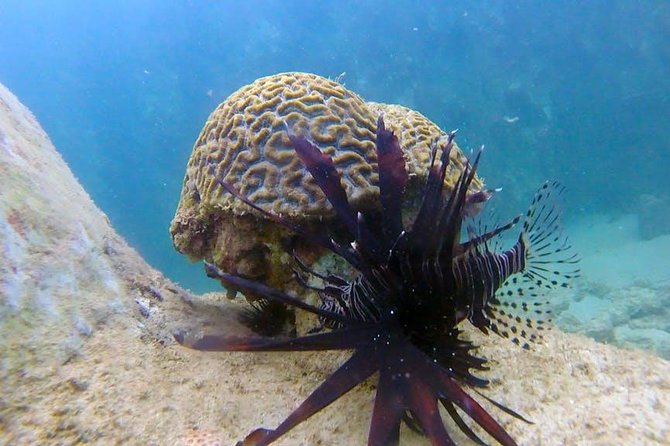
The best part of the underwater portion is the chance to spot small creatures at close range. Sea stars are a recurring highlight, and guides may point them out or help you see them clearly. Octopuses, colorful fish, coral, sea cucumbers, and jellyfish are also possible.
The guide’s eye makes a difference. A beginner may swim past a well-camouflaged animal without noticing it, while an instructor knows where to look and can direct your attention. Alex was praised for finding a starfish for participants to hold, though you should always follow the guide’s instructions about touching marine life.
You may also see turtles, but they are not guaranteed. The same goes for dolphins and unusual fish. The most honest way to view this activity is as a chance to explore a shallow coastal habitat, not as a wildlife guarantee.
Early morning may give you the best chance at active marine life, according to the guidance given to one family. It also gives you more of the day afterward, though you should leave room for the session to run slightly behind schedule.
Free GoPro photos and video
The included media is a major part of the value. Your guide takes photos and video during the underwater session and sends them to you before you leave, often through AirDrop. That means you do not need to carry a camera or worry about using a phone in a waterproof case.
For many first-timers, the images are more than a social media extra. Underwater movement feels unfamiliar, and you may not remember exactly how you looked or what was around you. Video lets you share the moment and gives you a record of your first scuba attempt.
There is a clear limitation: if the camera malfunctions, there is no refund for the tour. The media is included, but it is not guaranteed. You should treat the photos and video as a welcome bonus rather than the main reason to book.
If you use an iPhone, make sure AirDrop is ready before you arrive. That can save time at the end. The information provided does not promise a particular number of clips or photos, so the amount of media may vary.
How much value do you get for $89?
The $89 price makes sense for someone who wants a low-commitment introduction. You do not need to pay separately for gear rental, a boat trip, an instructor, or underwater media. For a family or couple curious about scuba, it is an easier first step than enrolling in a multi-day certification program.
The value is strongest when you want a calm lesson with a guide beside you. It is less compelling if you already hold a certification or have extensive scuba experience. At 15 feet, the session is designed for practice and confidence, not advanced skills or a major underwater route.
The small-group promise also matters. A maximum of 16 people is not truly private, and the experience is not sold as private. Still, some departures may be much smaller, giving you more direct attention. If personal instruction is your top priority, ask about the group size when booking if that option is available.
The 4.9 rating from 3,123 reviews and 98 percent recommendation rate point to a consistently strong experience, especially for beginners. Still, the less positive account about murky water and a brief session shows why expectations matter. You are paying for access and instruction in a calm lagoon, not a guaranteed underwater spectacle.
Who will enjoy this most
I would choose this for a first-time scuba participant, a nervous beginner, a couple wanting one unusual Honolulu activity, or a family with older children who are comfortable in the water. Several families had good results with children, including a 10-year-old and two older kids.
It also suits someone who has tried scuba before but wants a low-key refresher. The shallow depth and instructor support make it easier to rebuild confidence after time away from the sport.
I would be cautious if you dislike close-fitting equipment, cannot walk with scuba gear, or feel anxious in water even when standing. You should also reconsider if you want a long session, a remote reef, guaranteed turtles, or very clear water.
Prescription glasses cannot be worn under the mask. Contact lenses are allowed, and you may also go without them. Underwater magnification makes objects appear about 25 percent closer and larger, which can help with visibility but may take a moment to adjust to.
Timing, weather, and cancellation details
The activity lasts about 90 minutes, though the start of the water portion may come later than the listed meeting time because fitting and instruction take time. Plan your morning with some flexibility.
The experience requires good weather. If poor weather causes a cancellation, you are offered another date or a full refund. You can cancel for a full refund up to 24 hours before the start time. Within 24 hours, you receive no refund, and changes are not accepted.
Do not schedule a flight within 12 hours after the session. Standard scuba safety guidance advises against flying that soon after being underwater, so build your Honolulu plans around this restriction.
Service animals are allowed, and the meeting point is near public transportation. The activity requires a moderate level of physical fitness because you must walk with the equipment.
Should you book this Magic Island experience?
Book it if you want a friendly first taste of scuba without certification, boat travel, or a large financial commitment. The strongest reasons are the shallow setting, close instructor support, included equipment, and free underwater media. Guides such as Alex, Nick, Danny, Dan, and Rida have been praised for helping nervous people stay calm and enjoy the session.
Skip it if your main goal is a long, clear-water reef outing. Conditions can change, the lagoon may be murky, and the underwater portion may feel brief. For the right expectations, this is a practical Honolulu introduction to scuba, with enough marine life and personal guidance to show you whether you want to take the next step.
FAQ
Do I need scuba certification?
No. This activity is designed for people without prior certification.
Do I need to know how to swim?
No swimming experience is necessary, but you must be comfortable in the water.
How deep does the session go?
The maximum depth is around 15 feet.
Where does the activity begin?
You meet at Magic Island Lagoon in Honolulu, Hawaii, at Ala Moana Beach Park.
Where does the activity end?
The session ends back at the same meeting point.
Is scuba equipment included?
Yes. The wetsuit and scuba equipment are included.
Are underwater photos and videos included?
Yes. The guide takes GoPro photos and video and provides them at the end of the session. If the camera malfunctions, there is no refund for the tour.
Can I fly after the activity?
Flying within 12 hours after scuba is not recommended.
What happens if the weather is poor?
If the activity is canceled because of poor weather, you can choose another date or receive a full refund.
Just added around Honolulu
- Honolulu: Waikiki Food Tour with Local Guide★ 5.0 · 3 reviews
- Honolulu: SUP (Standup Paddleboard) Yoga Class★ 5.0 · 5 reviews
- Honolulu: 90 Minute Catamaran Sunset Sail★ 4.8 · 64 reviews
- Honolulu: Sunset 5 Course Dinner Cruise with Entertainment★ 4.4 · 28 reviews
- Honolulu: Stunning Views of Oahu! Half-day Scenic Tour★ 4.8 · 107 reviews
- Honolulu: Pacific Star Sunset Buffet and Show★ 4.1 · 51 reviews
- Honolulu: Magic Island & Beach Segway Tour★ 5.0 · 10 reviews
- Honolulu: Liljestrand House Architectural Tour★ 5.0 · 5 reviews
Scuba Diving, compared.
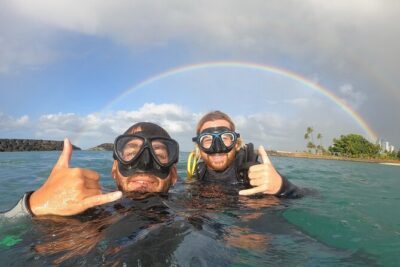
Beginner Scuba Diving Experience with Video Package in Honolulu
Read our review →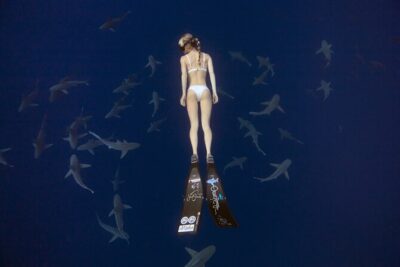
Safe and Educational Shark Dive from Haleiwa: Sharks Guaranteed
Read our review →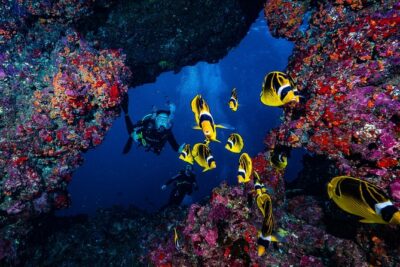
2 Tank Lanai Cathedral Scuba Dive Via Boat for Certified Divers
Read our review →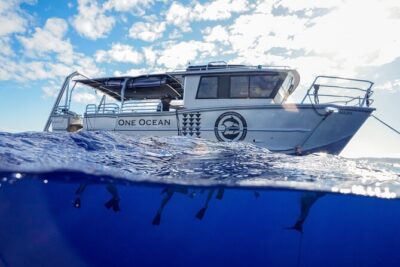
Dive with Sharks in Hawaii: Shark Tour from Haleiwa
Read our review →
Certified Diver: 2-Tank Deep Wreck and Shallow Reef Dive Off Oahu
Read our review →Browse the lists this tour appears in