
Reviewed · SCUBA DIVING
Maui Scuba Diving Introductory Lesson from Lahaina
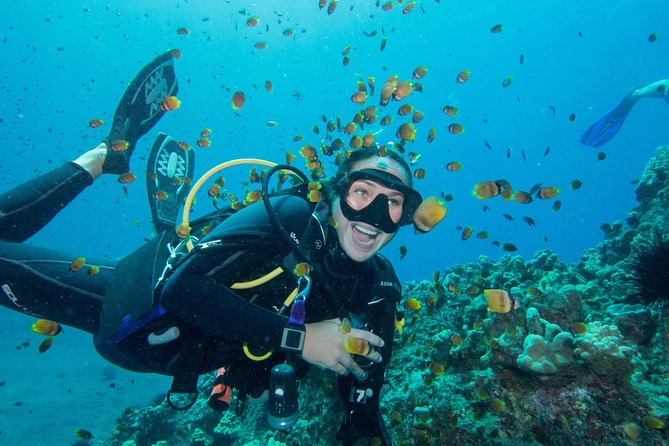
Maui’s best feature here is the close, personal instruction. You start with a proper classroom session, then move to the beach for a gentle introduction to breathing underwater, buoyancy, and reef skills. I especially like the four-person maximum and the chance to see green sea turtles, eels, reef fish, and coral without needing certification.
I also like that this can serve two purposes: it is a first taste for a curious beginner, or a useful refresher for a certified diver who has not been underwater in years. The main caution is simple but important: you must be fit, comfortable in the water, and able to equalize your ears. One poor experience involved an instructor moving too fast, so speak up at once if you need to pause or return to the surface.
Key details to know before booking
- A real 45-minute lesson comes first: You learn mask use, regulator breathing, buoyancy control, and basic safety before entering the ocean.
- The group never exceeds four people: That gives your instructor room to watch your comfort and correct your technique.
- The maximum depth is 35 feet: You stay in a shallow reef setting, but the marine life can still include turtles, eels, colorful fish, and nurse sharks.
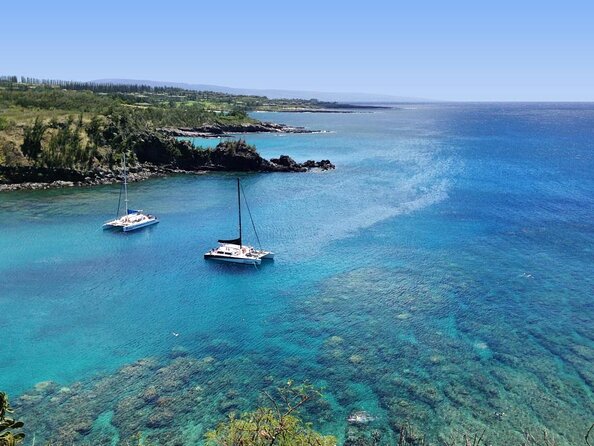
- The beach site can change: Black Rock, Canoe Beach, Kapalua Bay, Kahekili State Park, and other West Maui locations may be used according to ocean conditions.
- It may count toward future certification: After the lesson, you can continue toward certification, and the experience includes PADI registration at no extra charge.
- Plan around the 18-hour flight rule: You cannot fly, take a helicopter, or visit Haleakala until at least 18 hours after the session.
What this Maui scuba lesson really offers
This is not a quick resort-pool demonstration. You receive a structured introduction at the Extended Horizons Scuba shop in Lahaina, followed by a beach-based ocean session. The total time is about two hours and 15 minutes, with a 7:30 a.m. start.
That early hour matters. Morning sea conditions can be more suitable for a beginner, and you get the activity finished before the rest of your day begins. It also leaves you with a clear schedule for lunch, sightseeing, or a quiet afternoon. The tradeoff is that you must be ready at the meeting point early, rather than waiting for hotel pickup.
The price is $227.50 per person. That is not a bargain-basement lesson, but the small group, equipment, instructor, classroom time, and guided reef session make the cost easier to understand. A four-person limit is especially useful for someone who feels nervous about breathing through a regulator. You are not one face in a large line of people being moved through the water.
More Scuba Diving in Maui
- 2 Tank Lanai Cathedral Scuba Dive Via Boat for Certified Divers
★ 5.0 · 548 reviews - Intro/Refresher Dive Swim Ability Required
★ 5.0 · 248 reviews - Beginner Scuba Dive in Lahaina: Swimming Required
★ 5.0 · 219 reviews
Starting at 94 Kupuohi Street in Lahaina
You meet at 94 Kupuohi Street in Lahaina. Hotel pickup and drop-off are not included, so you need to arrange your own way there. The operator sends the final meetup information the day before, and you should provide a phone number that will work on Maui, including a direct number or WhatsApp contact.
Before arrival, complete the required medical waiver and send it to the operator. You must answer no to every question to take part without further medical clearance. If you answer yes to any item, you need a doctor’s note before you can use the equipment in the ocean.
This is not paperwork to ignore until the last minute. The operator sends a 15-minute online lesson link after receiving your waiver, so early completion gives you time to handle both requirements without a rushed start. You also need to provide your shoe size in a men’s shoe size.
The minimum age is 12. You need basic swimming ability and a moderate level of fitness. The lesson is not suitable for someone who cannot comfortably manage the water, follow safety instructions, or stay calm while learning a new breathing method.
The 45-minute class that makes the ocean session easier
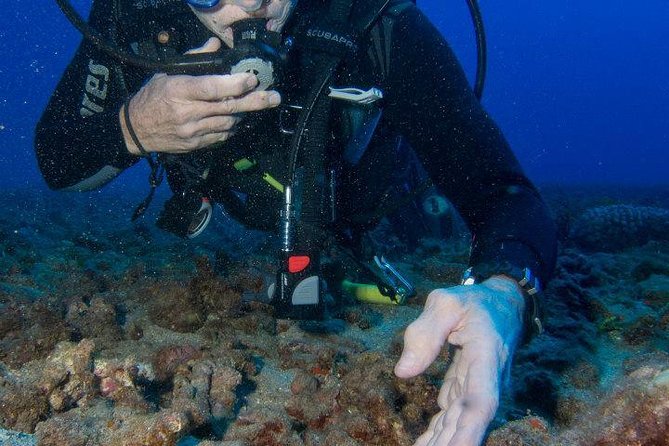
The shop lesson covers the basic skills you need before walking into the sea. You learn how to put on and clear your mask, breathe through the regulator, control your buoyancy, and move safely underwater.
I like this order. The first breath through a regulator can feel strange, and trying to sort it out while waves are moving around you is poor timing. A shore-based explanation gives you a chance to ask questions and understand the gear before the water adds another layer of stress.
The equipment is included, and several instructors have been praised for keeping the instructions clear and calm. Bruce has been especially good at helping families and younger participants settle in. Chris has been praised for explaining fish and reef life as well as the mechanics of the activity. Gu, Emma, Maya, Philip, Brad, and Shelby have also led sessions, with patience and clear teaching coming up often in the feedback.
That said, instructor style can vary. One negative experience described an instructor moving a participant downward too quickly, causing ear pain and breathing trouble. The lesson should never be a test of how fast you can adapt. If your ears hurt, water gets in your eyes, or you feel short of breath, signal immediately and ask to stop or rise.
Moving from the beach into the sea
After class, you go to a nearby beach and enter the water with your instructor beside you. The first stage is not a race toward the reef. You practice in a shallow area and learn how the mask, regulator, fins, and buoyancy equipment feel in actual seawater.
This is where the four-person limit has real value. Your guide can watch how you move, help with small corrections, and give you time to settle. The best version of this lesson lets you progress at your own speed. Several instructors have been praised for staying close, answering questions, and helping nervous beginners regain confidence.
You then follow the reef at a pace that fits your comfort level. You may stop to practice a skill, adjust your position, or simply get your breathing under control. The maximum depth is 35 feet, or 10.7 meters. That is shallow by scuba standards, but it is still deep enough to feel like a true ocean experience.
Do not confuse shallow with effortless. Ocean visibility, water movement, mask fit, ear pressure, and breathing rhythm all require attention. Your instructor can help, but you need to communicate clearly. A simple hand signal or a firm decision to pause is more important than trying to keep up.
Same island, a completely different kind of day:
- Maui Pineapple Farm Tour in Haliimaile
★ 5.0 · 2,855 reviews - Maui Eco-Raft Tour: Eye-Level Whale or Dolphin Watching – Lahaina
★ 5.0 · 2,482 reviews - Maui Snorkeling Adventure to Molokini and Turtle Town
★ 4.5 · 2,221 reviews - Maui: Haleakala Sunrise Spectacular with Local Breakfast
★ 4.5 · 2,155 reviews
How the possible West Maui sites fit into the day
The exact location can change with ocean conditions. The named stops include Honolua Bay, the Spa at Black Rock, Extended Horizons, Kapalua Beach, and Baby Beach in North Lahaina. Extended Horizons is the Lahaina meeting point and classroom base, while the beaches and reef areas are possible parts of the ocean portion.
Honolua Bay
Honolua Bay is one of the possible West Maui settings. Its appeal is the chance to explore a reef close to shore, with your instructor choosing the safest workable area for the day. You should not assume this site is guaranteed, since the operator may move the session when conditions call for another location.
Black Rock
Black Rock is another possible site, and it is well suited to the idea of a shore-based lesson because you can enter from the beach rather than from a boat. That keeps the day simpler for someone trying scuba for the first time. The downside is that beach entry still requires some walking and wading while wearing equipment.
Kapalua Beach
Kapalua Bay may be used when conditions are suitable. A protected beach setting can help you focus on basic skills before moving farther from shore. As with every site on this activity, ocean conditions control the final choice.
Baby Beach in North Lahaina
Baby Beach is listed as another possible location. A beach with easier water access can be useful while you are learning to manage the equipment. It may feel less dramatic than boarding a boat, but the simple entry is part of the appeal for first-timers.
Kahekili State Park
Kahekili State Park has also been used for the reef session. One certified participant found it convenient for a refresher because of the beach access and marine life. A returning diver can use the same structure to rebuild comfort with equipment and buoyancy without committing to a full certification course.
The marine life you may see at 35 feet
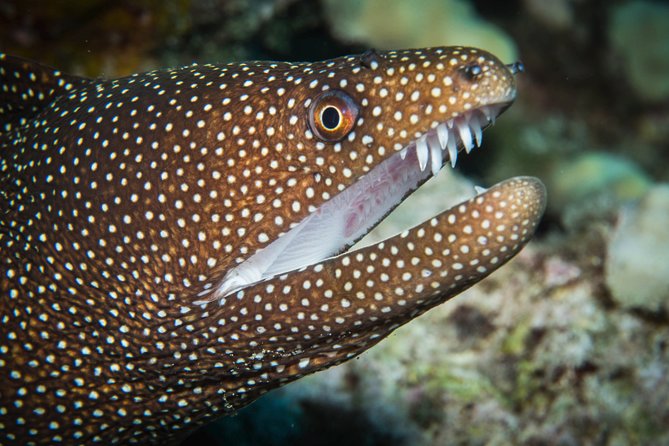
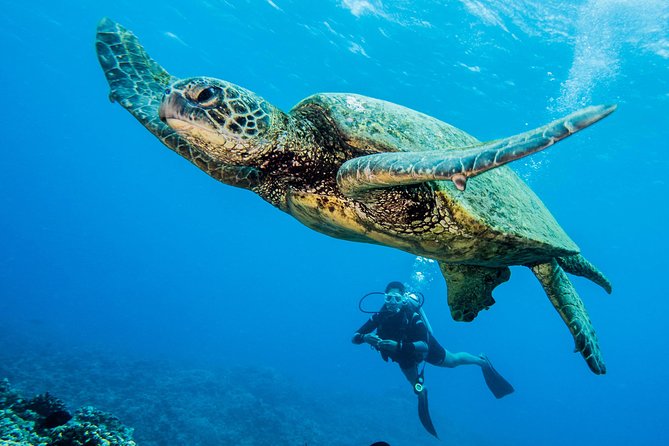
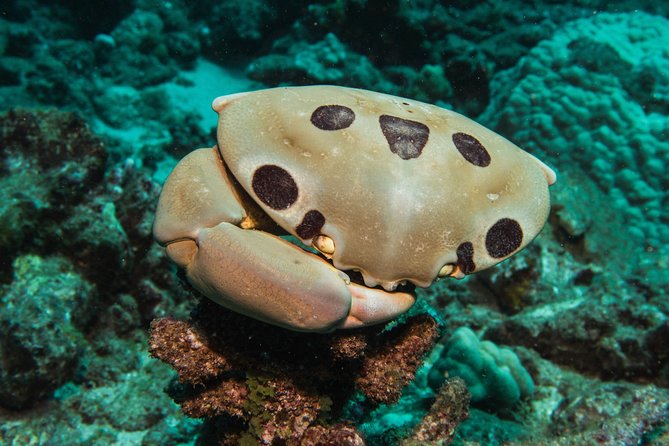
The underwater portion is more than a skills drill. The reef can bring you close to green sea turtles, colorful fish, coral, eels, and possibly nurse sharks. The turtle sightings are a major draw, but they are wildlife encounters, not a promise. The animals choose where to go.
You may also hear whale sounds underwater during the season when whales are present, as one family experience described. That sort of moment is not guaranteed, but it shows why a slow pace helps. You have more time to notice the small details around you instead of rushing through a checklist.
Your guide can add useful context. Chris has been praised for identifying fish and sharing extra facts, while other instructors have focused on helping participants control buoyancy and remain calm. For you, that means the lesson can combine basic training with a guided look at the reef.
A key point: the quality of the marine-life portion depends partly on your comfort. If you spend the entire session fighting your mask or holding your breath, you will miss much of what is around you. The class and shallow-water practice are valuable because they give you a better chance to relax once you reach the reef.
Who will get the most from this experience
This lesson suits you if you are curious about scuba but do not yet want to commit to a full certification course. It also suits a couple or family who want to try the activity together, provided everyone meets the age, health, and swimming requirements.
It can work well for mixed-experience groups. One person can be certified while another tries the sport for the first time. The certified participant gets a refresher, while the beginner receives instruction without needing prior certification.
The activity is also a good fit for a cautious beginner who values patient teaching. The strongest feedback centers on instructors who explain each step, remain close, and let participants progress gradually. If you are anxious about breathing underwater, tell the instructor at the start, not after you are already in deeper water.
You may want a different activity if you dislike being in the sea, cannot swim, have a medical condition requiring clearance, or expect a long open-water session with no instruction. This is an introductory lesson, not an advanced reef expedition. The group stays shallow and the skills come first.
The certification path after the lesson
The experience can be a useful first step toward open-water certification. If you decide you want to continue, the introductory session counts toward certification, and you are registered with PADI at no extra cost.
That does not mean you become certified during this two-hour lesson. You still need to complete the required training for certification. The value is that you can test your interest before paying for a full course, and you begin with real experience using scuba equipment in the ocean.
I like this option for people who have always wondered if scuba is for them. You get an honest answer quickly. If the first regulator breath, mask work, and ocean entry feel manageable, you have a useful foundation for the next step.
Timing, weather, and the flight restriction
The session starts at 7:30 a.m. and ends back at the meeting point. No hotel transportation is included. Confirmation arrives within 48 hours of booking, subject to availability, and the final meetup location is sent the day before.
Weather can cancel the activity. If that happens, you are offered another date or a full refund. You can also cancel for a full refund if you do so at least 24 hours before the local start time. Changes or cancellations inside that window are not accepted.
The most important planning rule concerns air travel. You must wait 18 hours after the session before taking an airplane or helicopter or visiting Haleakala. Do not schedule this activity on the final morning before a flight, and do not place it on a day when you plan a helicopter trip or a Haleakala visit later.
Should you book this Lahaina scuba lesson?
I would book it if you want a small-group first taste of scuba, value patient instruction, and can set aside a full morning without flying afterward. The 35-foot limit keeps the session within a beginner-friendly range, while turtles and reef fish give it a real sense of place.
Before paying, complete the medical waiver, confirm that you can swim, and be honest about your comfort level. At the start, tell your instructor to let you equalize and progress slowly. That one conversation can shape the whole experience.
The price is reasonable for a four-person maximum, equipment, classroom instruction, and a guided reef session. It is not the right choice for someone seeking a boat trip, advanced underwater exploration, or a guaranteed turtle encounter. For a careful first step toward scuba certification in Maui, it is a sound choice.
FAQ
Where does the Maui scuba lesson begin?
You meet at Extended Horizons Scuba, 94 Kupuohi Street, Lahaina, Hawaii. The activity ends back at the meeting point.
What time does the activity start?
The scheduled start time is 7:30 a.m.
How long does the experience last?
The total duration is about two hours and 15 minutes. This includes a 45-minute class and the ocean session.
Do I need to be certified?
No. The experience is designed for first-timers and can also serve as a refresher for certified divers.
What is the maximum depth?
The session will not exceed 35 feet, or 10.7 meters.
What is the minimum age?
The minimum age is 12 years old.
Can I fly after the activity?
No. You must wait at least 18 hours after the session before flying, taking a helicopter, or visiting Haleakala.
What is included in the price?
The price includes required equipment, a professional guide, and water. Hotel pickup and drop-off are not included.
More Workshops in Maui
- Outrageous Surf ScHool Lesson on Lahaina Side
★ 4.5 · 547 reviews - Private Beginner Paddleboard 101 Lesson: Makena Landing!
★ 5.0 · 68 reviews - Make your own Maui Souvenir/Ocean resin class
★ 5.0 · 57 reviews - Farm to Taco: A Farm to Table Cooking Class
★ 5.0 · 41 reviews
Just added around Maui
- Mermaid and Merman Photoshoots on Maui★ 5.0 · 4 reviews
- Molokini and Turtle Arches Snorkeling Trip from Ma’alaea Harbor★ 4.5 · 812 reviews
- 3-Tank Dive Featuring the Molokini Crater★ 5.0 · 5 reviews
- Instant Island Moments: photos and video same day delivery★ 5.0 · 9 reviews
- “Origins” Multicultural Dance Spectacular★ 5.0 · 23 reviews
- Maui Jewelry Making Class with Puka Shells and Pearls★ 5.0 · 7 reviews
- Maui’s Only Clear Bottom Kayak Rental (priced per tandem kayak)★ 4.0 · 12 reviews
- Mermaid Ocean Swimming Lesson in Maui★ 5.0 · 98 reviews
Scuba Diving, compared.
First-Time Scuba Diving in Honolulu + Free Videos
Read our review →
Beginner Scuba Diving Experience with Video Package in Honolulu
Read our review →
Safe and Educational Shark Dive from Haleiwa: Sharks Guaranteed
Read our review →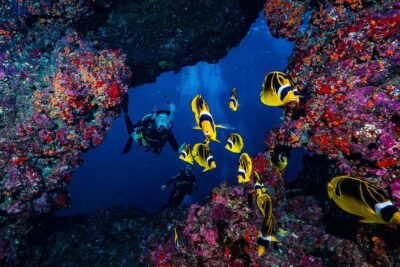
2 Tank Lanai Cathedral Scuba Dive Via Boat for Certified Divers
Read our review →
Dive with Sharks in Hawaii: Shark Tour from Haleiwa
Read our review →Browse the lists this tour appears in