Reviewed · TICKETS
Polynesian Cultural Center: Islands of Polynesia Admission Ticket
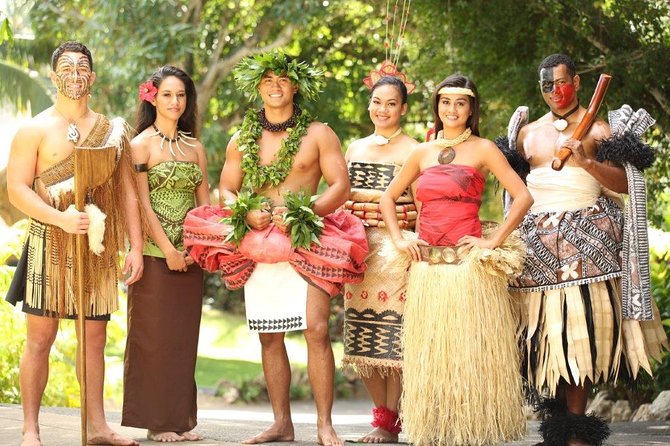
The Polynesian Cultural Center turns a day at Oahu’s North Shore into a tour of the Pacific. You move between six cultural villages, watch short performances, try hands-on activities, and ride a canoe through the center’s lagoon. The most useful detail is that the Islands of Polynesia ticket gives you a three-day pass, not just one afternoon.
I like the friendly student staff and the fact that you can do more than watch. You might throw a spear, take a ukulele lesson, learn about Samoan cooking, or join a fishing demonstration. I also like the Huki canoe pageant and the strong evening show, Ha: Breath of Life, if you upgrade.
The main drawback is the schedule. This is a large place, and a six-hour visit can feel rushed if you want every village presentation. Heat, humidity, limited shade in some areas, extra charges for dinner and Ha, and confusing transportation details also deserve attention before you book.
Key points to know before you go

- Six Polynesian cultures in one park: Explore Hawaii, Tahiti, Tonga, Samoa, New Zealand, Fiji, and the Marquesas through village presentations, crafts, music, and demonstrations.
- A three-day admission pass: Your first visit activates access for three days, which makes this more useful for a slower visit than the six-hour estimate suggests.
- Hands-on activities for children and adults: Try ukulele lessons, spear throwing, fishing, Samoan cooking, canoe rides, and other demonstrations.
- Ha: Breath of Life costs extra: The evening production brings more than 100 performers together for music, dance, fire walking, knife dancing, and a Polynesian story.
- Dinner is not included: The basic ticket does not cover the Ali’i Luau, buffet meals, or other dining upgrades. Check your package carefully.
- Plan for a long North Shore day: The center is about an hour from Waikiki, so hotel transportation can be worth adding if you do not want to drive or manage public transportation.
Six island cultures in one North Shore setting

The Polynesian Cultural Center sits on Oahu’s North Shore, roughly an hour from Waikiki. Since opening in 1963, it has welcomed millions of people and operated as a nonprofit. Its revenue supports the center’s daily work and the education of student employees from nearby Brigham Young University-Hawaii.
That mission gives the place a different feel from a standard theme park. The buildings, costumes, dances, and demonstrations are designed to teach, but the day is still built for families. You are not simply walking through display cases. You are moving from village to village, watching people demonstrate skills and inviting you to take part.
The cultures represented include Tahiti, Hawaii, Tonga, Samoa, New Zealand, the Marquesas, and Fiji. The exact daily schedule matters, since each village has its own presentations. Get a map or schedule as soon as you arrive and mark the activities you most want to see.
The center is well laid out, but it is not small. If you arrive late or stop for long meals, you may miss some of the shorter shows. The three-day access helps solve this problem, especially if your Oahu plans allow you to return.
More Polynesian Cultural Center packages:
- Polynesian Cultural Center: Gateway Buffet Package
★ 4.5 · 105 reviews - Oahu: Polynesian Cultural Center Island Villages Ticket
★ 4.6 · 92 reviews - Polynesian Cultural ATV Tour in Kona
★ 5.0 · 627 reviews
What happens in the island villages
Each village gives you a different window into Polynesian life. Presentations cover music, dance, food, crafts, travel, belief systems, and social customs. Some are formal shows, while others feel more like demonstrations where you can ask questions or join in.
In the Hawaiian area, expect familiar island traditions presented in a way that places them in a wider Pacific setting. The Tahitian and Marquesan sections bring dance and movement to the foreground. Tonga and Samoa offer lively demonstrations and audience participation, while New Zealand and Fiji add their own music, stories, and cultural practices.
The strongest part of the visit is the variety. You may watch a hula lesson, then head to another village to learn about coconut products or Samoan cooking. One presentation may be calm and instructional, while the next is loud, funny, and built around audience participation.
The center does not pretend that all Polynesian cultures are the same. That is important. You see shared themes, such as ocean travel, food, family, dance, and craftsmanship, but you also get a sense of how each culture has its own identity.
Hands-on activities make the day work for families

The activities are a major reason to choose this attraction over a standard stage show. You can try a ukulele lesson, spear throwing, fishing, or a simple cooking activity. Children may also enjoy a canoe ride on the lagoon and playful cultural demonstrations, including temporary tattoo activities.
I especially like this format for families with mixed interests. A teenager who might resist a museum can participate in a skill-based activity. A younger child can focus on canoes, music, or movement. Adults can listen to the explanations and pay closer attention to the historical and cultural details.
Do not expect every activity to be available at every moment. Presentations run on schedules, and some activities may draw lines. Arriving early helps, particularly since one report describes long lines at entry. If you have only one day, choose your priorities instead of trying to catch every single activity.
The hands-on format also gives you a better sense of how culture is passed on. You are not only hearing about an instrument or food tradition. You are seeing how it is made, played, prepared, or used.
Huki, canoe rides, and the movement of the park

The Huki canoe pageant is one of the center’s signature presentations. Canoes move along the water while performers present music and dance from Polynesian cultures. Canoe tours through the villages offer a quieter way to see the grounds and break up the walking.
These water-based activities matter because the park can feel busy and spread out on foot. A canoe ride gives you a different view of the villages and adds variety to a day filled with standing and watching shows.
The site is generally well maintained, but walking can be tiring. An electric cart should be reserved in advance if you have trouble walking. The park also has covered performance spaces, indoor village areas, and shaded seating, but not every path offers strong shade. Bring water and plan pauses, especially in hot or humid weather.
Rain can change the rhythm of the day. The center continues to offer activities in wet weather, but ponchos are a smart addition. One family continued through a rainy visit with inexpensive rain ponchos, though an umbrella-lending system would have made things easier.
A few more Oahu mornings worth comparing
- Oahu Grand Circle Island and Haleiwa Tour: 9-Hr Deluxe Experience
★ 5.0 · 17,387 reviews - Oahu: Grand Tour Around Island 16 Locations plus Snorkeling
★ 5.0 · 8,669 reviews - Parasailing Experience in Waikiki, HI
★ 5.0 · 7,692 reviews - Salute to Pearl Harbor Including USS Arizona
★ 4.5 · 7,433 reviews
The six-hour schedule requires some planning

The advertised visit lasts about six hours, but that number can mean different things depending on your package. An afternoon arrival may allow time for several village presentations and a later show, but it will not offer the same relaxed pace as a full day.
A full visit might include:
- Entry and a quick look at the daily schedule
- Several village presentations
- One or more hands-on activities
- A canoe ride or the Huki pageant
- A meal or snack break
- The Ha: Breath of Life evening show, if added to your package
If you want to see the village demonstrations properly, arrive early. One afternoon booking left little activity after the later show, which shows why timing matters. Some cultural areas may close or become quiet later in the day, while the evening theater becomes the main attraction.
The ticket description lists a three-day pass after your initial visit. That is a valuable feature if you are staying on Oahu long enough to return. You could use the first day for the major village presentations, then come back for activities you missed. If your schedule allows only one afternoon, treat the pass as a bonus rather than part of the main value calculation.
Choosing between the basic ticket, dinner, and evening shows

The $103.50 admission price covers the Islands of Polynesia villages and the three-day pass. It does not include dinner or Ha: Breath of Life. That distinction matters because the center is far from Waikiki, and you may spend the entire afternoon and evening there.
The Ali’i Luau dinner package is an upgrade. It combines a meal with a staged performance and some audience participation. The show can be entertaining, but parts of it may feel familiar if you have already watched several village performances during the day.
Buffet quality is the least consistent part of the experience. Some meals receive high marks for plentiful food, roast pig, local dishes, and special dining rooms. Other meals, particularly the standard buffet, may feel average or include more international food than you expect. You may find tacos, fish and chips, chicken, and other familiar items alongside island foods such as kalua pork, poi, taro dishes, fresh coconut, and island-style desserts.
If food is central to your plans, examine the exact package before you pay. A dinner upgrade may be worthwhile for convenience, but do not assume it means a traditional-only menu or premium dining.
Ha: Breath of Life is the stronger evening choice for many people. The production uses more than 100 performers and combines folklore, music, dance, knife dancing, and fire walking. It is different from the daytime demonstrations and provides a clear dramatic finish to the day.
The show has one important rule: photography and recording are not allowed. If you need a visual record for personal or medical reasons, ask about the policy before the performance rather than trying to record from your seat.
Transportation from Waikiki and the North Shore drive

The center is about an hour from Waikiki. You can drive yourself, use public transportation, or add round-trip hotel transportation through selected packages.
Driving gives you the most control, especially if you want to arrive early or use the three-day pass. Public transportation can cost less, but it takes planning and may make a long day feel longer. One practical suggestion is bus route 55, which can be used to reach the center, though your total travel time and connections will depend on where you start.
Hotel pickup can be convenient, particularly if you want to stay for the evening show. It also removes the stress of driving back after a full day. Still, confirm the pickup location and time before the day of your visit. Transportation details have caused confusion for some bookings, especially when the operator did not provide clear information until late.
The basic admission price does not automatically include transportation. Read the package description closely so you know if you are buying admission only or a package with pickup, dinner, and Ha.
Who will get the most from this experience

I would choose this for families, first-time visitors to Oahu, and anyone who wants a broad introduction to Polynesian cultures without arranging several separate activities. The mix of short shows and hands-on demonstrations keeps the day moving.
It also suits couples who enjoy live performance and food. The evening show can turn the visit into a full date night, especially if you add dinner and hotel transportation.
I would be more cautious if you have already spent significant time visiting Polynesian cultural sites or if you dislike scheduled presentations. The center presents many cultures in one organized setting, so it cannot offer the same depth as spending several days in one island nation.
Mobility is another consideration. The park is accessible to most people, and service animals are allowed, but it covers a lot of ground. Reserve an electric cart ahead of time if walking is difficult.
Heat and humidity may affect your enjoyment. Covered performance areas and indoor sections provide breaks, but you should not assume every walkway is shaded. A hat, water, and light clothing will make a real difference.
Is $103.50 good value?
The value depends on how much of the center you use. At $103.50, the ticket is not a cheap quick stop. It becomes easier to justify if you watch several presentations, join activities, use the canoe offerings, and return during the three-day period.
It is less compelling if you arrive late, see only one or two villages, and skip the main activities. In that case, the travel time from Waikiki takes up a large share of your day.
I would compare the admission-only price with packages that include transportation, dinner, or Ha. Sometimes the upgrade saves you from arranging separate food and transport. At other times, you may prefer to drive, choose your own meal, and pay only for the show you truly want.
The nonprofit mission adds value for some people, since the center uses its revenue for operations and student education. That does not make the admission automatically cheap, but it gives your purchase a purpose beyond a typical commercial attraction.
Should you book the Polynesian Cultural Center?
Book it if you want a structured, family-friendly day with culture, music, food, and live entertainment in one place. Arrive early, study the schedule, wear comfortable clothing, and decide in advance if Ha or dinner matters to you.
I would prioritize Ha: Breath of Life for an evening performance, then add dinner only after checking the menu and package details. If you are unsure about the pace, the three-day pass gives you useful flexibility.
Skip it if your Oahu visit is very short, your budget is tight, or you prefer independent cultural visits over a large organized attraction. For most first-time visitors who can spare a full North Shore day, this is a worthwhile choice, provided you plan for the distance, the heat, and the extra cost of evening entertainment.
You can cancel for a full refund if you do so at least 24 hours before the experience starts. Cancellations or changes made within 24 hours are not refunded or accepted.
FAQ
How long does the Polynesian Cultural Center experience last?
The planned visit lasts about six hours, though the three-day pass allows you to return after your first visit.
What cultures are represented?
The center presents Hawaii, Tahiti, Tonga, Samoa, New Zealand, the Marquesas, and Fiji.
Does the admission ticket include dinner?
No. Dinner is not included in the basic Islands of Polynesia admission ticket. Dinner packages, including the Ali’i Luau option, are upgrades.
Is Ha: Breath of Life included?
No. Ha: Breath of Life is an optional evening show that requires an upgraded ticket or separate addition.
Is transportation from Waikiki included?
Round-trip hotel transportation is available with selected package add-ons. It is not automatically included with the basic admission ticket.
Can I cancel for a full refund?
Yes. You must cancel at least 24 hours before the local start time for a full refund. Cancellations and changes made within 24 hours are not accepted.
Just added around Oahu
- Kailua: Mokulua Islands Guided Kayak and Snorkeling Tour★ 4.9 · 46 reviews
- Oahu: Sips & Secrets of Hawaii Pub Crawl★ 5.0 · 19 reviews
- Honolulu, Oahu: Waikiki Whale Watching Cruise★ 3.5 · 166 reviews
- Oahu: Honolulu Turtle Canyon Snorkeling Tour★ 4.6 · 136 reviews
- Oahu: USS Arizona Memorial and City Highlights Tour★ 4.2 · 32 reviews
- Honolulu: Waikiki Food Tour with Local Guide★ 5.0 · 3 reviews
- Oahu: Traditional Canoe Sunset Cruise with Dinner★ 5.0 · 4 reviews
- Oahu: Hilton Waikiki Beach Hotel Magical Mystery Show★ 4.7 · 39 reviews
Tickets, compared.

Waikiki Luau Buffet with Optional Rock-A-Hula Show Ticket
Read our review →

Princeville Botanical Gardens Tour and Chocolate Tasting Ticket
Read our review →


Diamond Head Hike Shuttle with Reservation Tickets Included
Read our review →
Polynesian Cultural Center Island Villages Ticket
Read our review →