
Reviewed · SEA TURTLE TOURS
Incredibly Fun Coral Reef Giant Sea Turtles 4hour Boat Scuba Tour
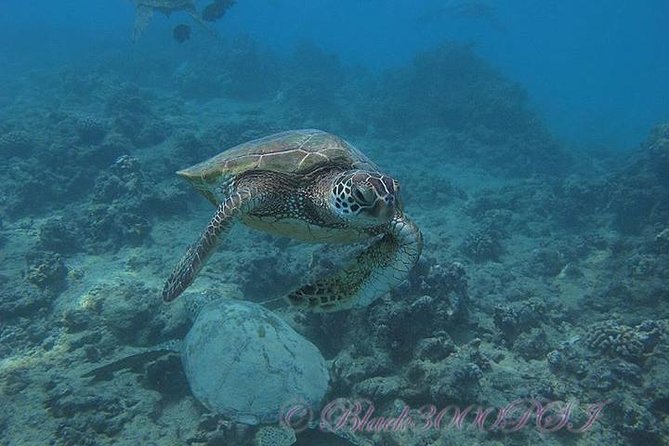
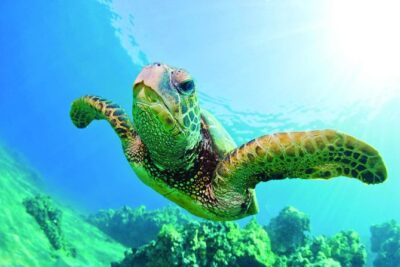
The main draw is simple: you leave Waikiki by boat, descend into Hawaii’s warm ocean, and look for large green sea turtles among coral, fish, eels, rays, and the occasional shark. This is a real two-tank ocean trip, not a brief pool lesson or a short beach session.
I like the patient teaching from instructors such as Josh, Chad, Olga, and Red, especially for first-timers. I also like the small-group approach, full equipment rental, snacks, and the chance for a non-scuba companion to snorkel or stay aboard. The main caution is that visibility and reef quality depend on weather, and the posted schedule can be affected by group organization or changing sea conditions.
Quick points before you book
- Two ocean sessions: The trip includes a training session followed by two shallow boat descents, often around 40 to 60 feet.
- Good for beginners: No certification is required, but you must complete the medical paperwork and follow the instructor’s safety directions.
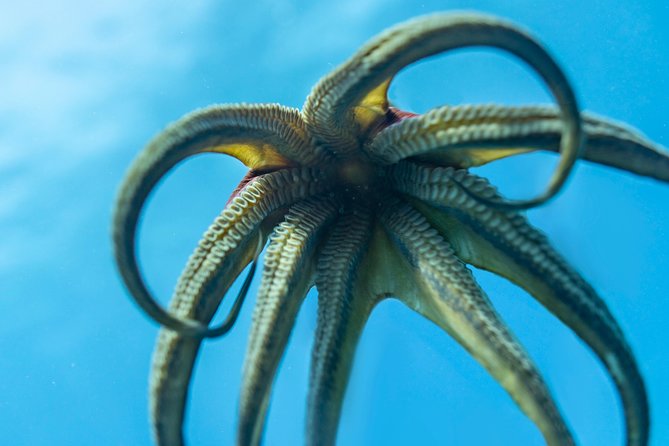
- Turtles are the star: Green sea turtles are frequently seen, along with tropical fish, eels, octopus, rays, urchins, and sometimes sharks.
- Small groups matter: The operator limits the boat to 16 people and uses separate instructors for different experience levels.
- Plan around flights: Do not schedule a flight within 18 hours after the shallow two-tank trip.
- Price and timing: At $299 per person for about four hours, this is a substantial purchase, but it includes equipment, instruction, boat transport, water, and snacks.
What the four-hour morning looks like
You start at Waikiki Dive Center, 424 Nāhua Street in Honolulu. The experience ends at the same meeting point, so you can arrange the rest of your day from Waikiki without finding a second pickup location.
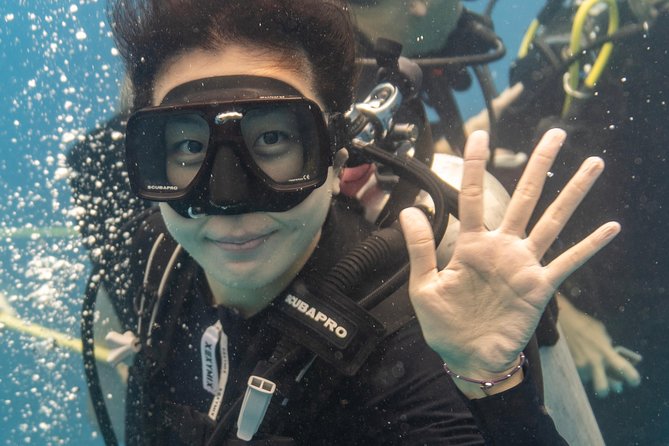
The first part is an orientation and equipment fitting. Beginners receive roughly 20 minutes of instruction in the shop before heading to the dock. Expect basic information on breathing, clearing a regulator, hand signals, equalizing pressure, and what to do if a mask or mouthpiece shifts underwater.
That preparation is short, but it matters. A first scuba session can feel strange even in calm water. You will be wearing unfamiliar equipment, breathing through a regulator, and learning to control your movement while watching a guide. The strongest staff members, including Josh and Chad, are repeatedly praised for staying calm when new participants become nervous.
Once on the boat, the crew separates people by experience and ability. A certified participant returning after many years may need a refresher, while a first-timer needs more direct coaching. This separation is useful, although one poor experience showed that the process can feel confusing if the crew does not explain the group arrangement clearly before entering the water.
The boat ride is described as short, with the first site just offshore. You should expect a working boat rather than a sightseeing cruise. The focus is getting you safely to the reef, fitting tanks, reviewing procedures, and entering the water.
More Scuba Diving in Oahu
- First-Time Scuba Diving in Honolulu + Free Videos
★ 5.0 · 3,123 reviews - Oahu Shark Dive
★ 5.0 · 2,903 reviews - Oahu: Shark Cage Dive on the North Shore
★ 4.8 · 1,485 reviews
The first descent is a lesson, not a wildlife show
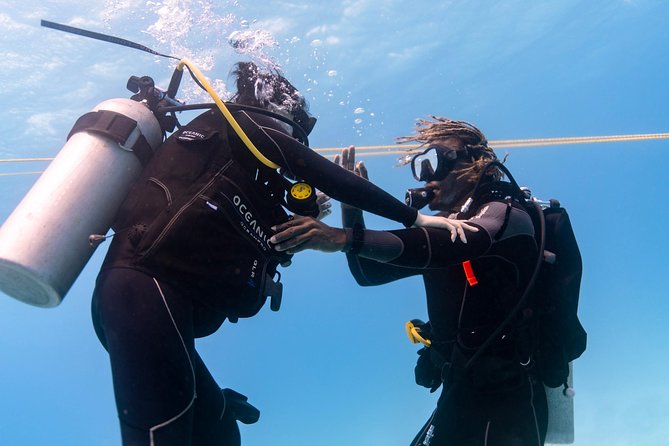
The first underwater session is mainly about basic skills. You may follow a rope down to the reef and practice the techniques covered in the briefing. This can include clearing a regulator, managing your mask, communicating with hand signals, and becoming comfortable breathing below the surface.
For an experienced certified participant, this may feel slow. For a new participant, it is the most valuable part of the morning. Several people who had trouble at the start later felt comfortable because an instructor stayed close and worked through the problem instead of rushing them.
You should not judge the whole experience by the first few minutes. The first descent is about learning to relax. Once you can breathe steadily and keep track of your guide, you can pay attention to the fish and reef around you.
The crew’s strongest quality is patience. Josh is frequently singled out for clear instruction and a relaxed manner. Chad receives similar praise from first-timers who needed extra help. Olga is noted for checking equipment and comfort throughout the session, while Red is praised for helping both new and returning participants.
The second session brings the sea life
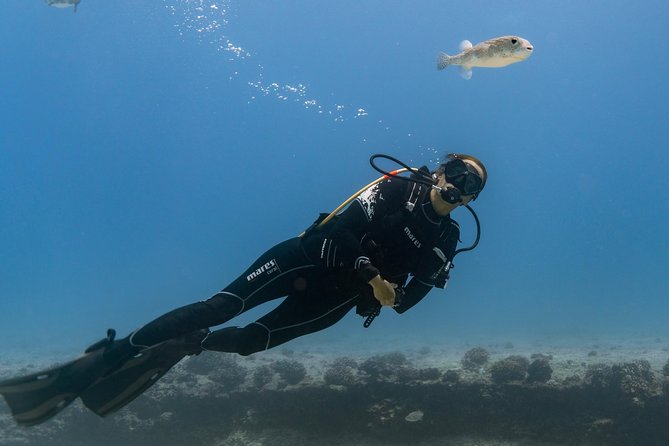
After changing tanks, you return to the water for the main wildlife portion. The underwater time is commonly described as about 30 to 45 minutes, depending partly on how quickly the group uses its air.
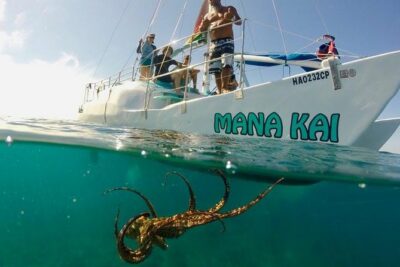
This is where the trip earns its price for many people. Green sea turtles may rest near the reef or swim close to the group. You might also find tropical fish, sea urchins, eels, small octopus, rays, and reef sharks. One outing included an eagle ray, a shark, two eels, and a turtle surfacing nearby.
Wildlife is never guaranteed. One group saw turtles, octopus, fish, and a small shark. Another saw plenty of reef life but no turtle or ray. Rainy conditions also produced visibility of only 10 to 15 feet for one participant, making the reef feel smaller and less impressive.
That is an important reality check. The sales language points to turtles, rays, sharks, and dolphins, but the reliable promise is an ocean outing with a chance to see Hawaiian marine life. Turtles are the most consistent highlight in the available experiences, yet weather, visibility, animal behavior, and the chosen site all affect the result.
How the reef compares with the big promise
The reef is described by some participants as colorful and full of fish, urchins, eels, and coral. Others found the coral area modest, with a large pipe and small marine life around it. Both descriptions can be true on the same route under different conditions.
If you are new to scuba, the reef itself may be only part of the pleasure. Learning to hover, turn, and breathe underwater can feel like flying. One returning participant who had not been underwater for 15 years enjoyed the experience even without seeing every animal mentioned in the description.
Certified participants looking for a demanding or dramatic underwater site may find this trip too tame. The route is aimed at beginners and rusty certified participants, not at advanced exploration. The 40 to 60 foot depth also keeps the outing within a relatively accessible range, but it does not promise walls, wrecks, caves, or a challenging current.
The best way to set your expectations is to treat the trip as a gentle introduction to Hawaiian ocean life. If you see a turtle resting on the reef, an octopus moving across the rocks, or a ray feeding nearby, that is a bonus on top of the basic scuba experience.
More Sea Turtle Tours in Oahu
- Oahu’s Ultimate Tour: Dole, Turtle Snorkel, Pali Lookout & More
★ 4.5 · 5,461 reviews - Oahu Circle Island Tour with Turtle Snorkeling— Small-Groups
★ 5.0 · 5,214 reviews - Waikiki, Hawaii: Turtle Canyon Snorkel Excursion
★ 5.0 · 4,656 reviews - Turtle Canyon Snorkel Adventure in Waikiki, Oahu
★ 5.0 · 3,197 reviews
Why the instructors matter so much
Instruction is the difference between a memorable morning and an uncomfortable one. The crew has to fit equipment, explain procedures, watch air use, manage different ability levels, and keep everyone together.
Josh is praised for making new participants feel safe while keeping the briefing entertaining. Chad is especially useful if you need patient coaching at the start. Olga is noted for frequent equipment checks and a steady eye on comfort. Red is repeatedly described as calm and helpful.
The captain also affects the experience. Steve is mentioned as someone who helped a non-scuba companion snorkel and kept that person comfortable aboard. Yoshi is praised for managing the boat while helping the group enjoy the outing. That matters if one person in your party cannot complete both underwater sessions.
The crew is not flawless. One participant described a rushed first session, confusing signals, a split group, and an early return. Another found the last-minute identification of certified participants and students chaotic. These accounts do not erase the many positive experiences, but they suggest you should ask questions early and speak up if you are unsure.
Do not silently follow along if you do not understand a hand signal or procedure. Ask the instructor to repeat it before entering the water. That is a sensible safety habit on any scuba outing.
The listed Oahu stops, and what they really mean
The itinerary names Waikiki, Honolulu, Oahu, Lanikai Beach, Diamond Head State Monument, Hanauma Bay Nature Preserve, Ala Moana Beach Park, and the North Shore. These are useful points of geographic context, but this is not a sightseeing bus tour that takes you to each attraction.
Your actual meeting point is in Waikiki, and the boat activity takes place offshore. Diamond Head is a recognizable landmark from the Honolulu area, while Hanauma Bay and Lanikai are famous for coastal scenery and snorkeling. The North Shore is on the opposite side of the island and should not be assumed to be part of the four-hour boat route.
This distinction helps when planning your day. Book this for the scuba session, not as a way to tour Oahu’s major beaches and parks. If you want to visit Hanauma Bay, Diamond Head, Lanikai, or the North Shore, plan those separately.
Price, group size, and what you receive
At $299 per person, this is not a cheap add-on. The price makes more sense when you count what is included: a boat trip, full equipment rental, instruction, two tanks, water, snacks, and staff assigned to a small group.
The boat holds a maximum of 16 people. The company says it keeps instructor groups below six participants, with separate handling for beginners, students, and certified participants. Smaller groups are particularly valuable for a first scuba session because the instructor can watch your breathing, position, equipment, and comfort more closely.
Lunch is not included. You should plan to eat before or after the trip, but do not arrive impaired or consume alcohol beforehand. The operator can refuse participation if safety concerns arise, and there is no refund for a late refusal within the restricted cancellation period.
I see the value here if you have always wanted to try scuba but do not want to purchase equipment or commit to a certification course. For a certified person seeking several advanced sites, the price may be harder to justify because the route is designed around shallow, beginner-friendly conditions.
Health rules and flight planning
Every participant must complete a health questionnaire. Certain medical conditions, including asthma and heart conditions, may require medical clearance or may prevent participation. If the form identifies a concern, obtain a doctor’s consent before check-in, not the night before.
You also need a moderate level of physical fitness. Children must be accompanied by an adult. The booking process asks for shoe size and T-shirt size so the crew can prepare equipment.
The flight rule is easy to miss and very important. After a shallow two-tank boat trip at about 40 to 60 feet, you should not fly for at least 18 hours. A deeper session at 60 to 100 feet requires 24 hours. Since the route and conditions can vary, contact the operator before booking if your flight is close to the activity.
This is one reason I would schedule the trip early in your Oahu stay, rather than on the final morning before flying home. It gives you room for weather changes, medical paperwork, or a rescheduled session.
Weather, cancellations, and timing traps
The ocean controls the schedule. If poor weather makes the trip unsafe, the operator may offer another date or a full refund. One reported cancellation was caused by uncertain conditions, while another participant was unhappy about the timing of a weather cancellation and the refund process.
The standard individual cancellation cutoff is 24 hours before the scheduled start. Within that window, cancellation, changes, medical delays, or a late arrival can result in the full charge. The check-in cutoff is 15 minutes after the scheduled time, so build in extra time for Waikiki traffic and finding the shop.
Groups of five or more and private charters have a stricter policy, with free cancellation only up to 21 calendar days before the trip. That is a major consideration for families, wedding groups, and private events.
Because weather and minimum group requirements can affect departure, avoid placing this activity next to an important reservation. A flexible morning is the safer plan.
Who should book this Oahu scuba trip?
I would choose this outing if you are a first-timer who wants a genuine ocean session rather than a short beach demonstration. It also suits a family with older children, couples with mixed experience, and certified participants who have not used scuba equipment in years.
You should be comfortable with a moderate physical effort, open water, and close instruction. If you panic easily in unfamiliar equipment, tell the instructor immediately. The available experiences show that patient coaching can help, but nobody should feel pressured to continue if the equipment or conditions do not feel right.
I would hesitate if your main goal is an advanced underwater adventure. The reef can be modest, visibility can suffer after rain, and the route is intended to be calm and accessible. I would also hesitate if you have a tight flight schedule, an unresolved medical issue, or no tolerance for strict cancellation rules.
Should you book it?
Book this four-hour boat trip if you want a well-supported first taste of real ocean scuba and your priority is seeing turtles in warm Hawaiian water. The strongest value comes from the small groups, included equipment, and instructors who have shown patience with nervous beginners and returning participants.
Go in expecting a chance to see turtles and reef life, not a guaranteed parade of sharks, rays, octopus, and dolphins. Ask questions during the briefing, arrive early, complete the medical paperwork in advance, and leave at least 18 hours before your flight. With those conditions in place, this is a sensible and memorable way to decide if you want to pursue scuba certification.
FAQ
Is this tour suitable for a first-time scuba participant?
Yes. No previous experience is required, and the session begins with instruction from a professional scuba instructor. Beginners must complete the required medical questionnaire and follow the instructor’s safety directions.
Do I need a scuba certification?
No. The experience accepts non-certified beginners. Certified participants can also join, including people returning to scuba after a long break.
How long does the experience last?
The activity lasts about four hours, including shop instruction, the boat trip, equipment preparation, and two underwater sessions.
How deep does the boat trip go?
The shallow coral reef route is described as about 40 to 60 feet. A deeper option may reach 60 to 100 feet, with a 24-hour no-fly period afterward.
What marine life might I see?
You might see green sea turtles, tropical fish, eels, sea urchins, octopus, rays, reef sharks, and occasionally dolphins. Sightings depend on weather, visibility, location, and animal behavior.
Is lunch included?
No. Water and snacks are included, but lunch is not.
Where does the activity start and finish?
You meet at Waikiki Dive Center, 424 Nāhua Street, Honolulu. The activity ends back at the same meeting point.
How many people can join?
The maximum group size is 16 participants. The operator states that instructor groups are kept smaller, with different arrangements for beginners, students, and certified participants.
Can I fly after the scuba session?
Do not schedule a flight within 18 hours after the shallow two-tank session. A deeper session requires 24 hours before flying.
What is the cancellation policy?
You can cancel for a full refund up to 24 hours before the scheduled start time. Cancellations or changes made within 24 hours generally receive no refund. Weather cancellations may result in another date or a full refund.
Just added around Oahu
- Kailua: Mokulua Islands Guided Kayak and Snorkeling Tour★ 4.9 · 46 reviews
- Oahu: Sips & Secrets of Hawaii Pub Crawl★ 5.0 · 19 reviews
- Honolulu, Oahu: Waikiki Whale Watching Cruise★ 3.5 · 166 reviews
- Honolulu: Waikiki Food Tour with Local Guide★ 5.0 · 3 reviews
- Oahu: Honolulu Turtle Canyon Snorkeling Tour★ 4.6 · 136 reviews
- Oahu: USS Arizona Memorial and City Highlights Tour★ 4.2 · 32 reviews
- Oahu: Traditional Canoe Sunset Cruise with Dinner★ 5.0 · 4 reviews
- Oahu: Hilton Waikiki Beach Hotel Magical Mystery Show★ 4.7 · 39 reviews
Sea Turtle Tours, compared.
Oahu’s Ultimate Tour: Dole, Turtle Snorkel, Pali Lookout & More
Read our review →
Oahu Circle Island Tour with Turtle Snorkeling— Small-Groups
Read our review →
Waikiki Catamaran Snorkel Sail with Lunch: Turtles Guaranteed
Read our review →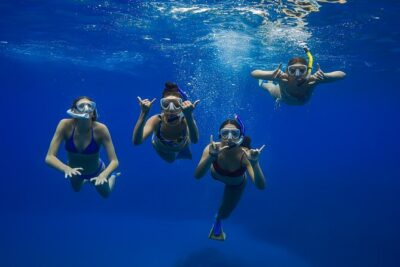
Waikiki Turtle Snorkel and Sail on Hawea Catamaran
Read our review →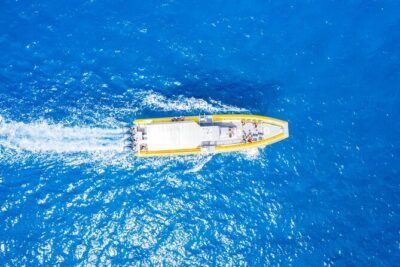
Maui Snorkel Adventure: Molokini Crater and Turtle Cove
Read our review →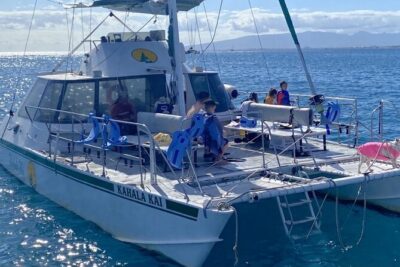
Oahu Catamaran Snorkel Tour: See Turtles 100% Guaranteed
Read our review →Browse the lists this tour appears in