
Reviewed · HIKING & TREKKING
Hidden Craters Hike of Kona
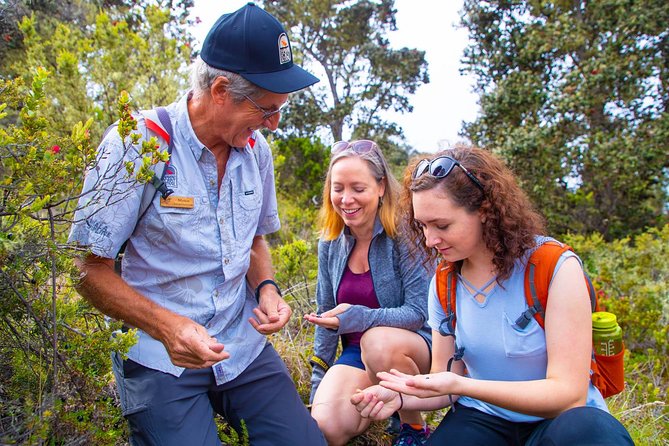
Hualalai is Kona’s own volcano, but this tour takes you beyond the usual roadside viewpoints. After passing through three locked gates onto private land, you hike across old lava flows, crater rims, native forest, and a short lava tube with a guide who can explain what you are seeing beneath your boots.
I like the small group of no more than 10 people, which makes it easier to ask questions and keep a natural pace. I also like the practical gear: walking sticks, daypacks, rain gear, filtered water, drinks, and snacks are included. The catch is simple: this is a real mountain hike, not a gentle walk. Loose gravel, slippery ground, steep sections, and the climb in and out of the lava tube require decent fitness.
I especially value the access to land most people cannot visit on their own. Guides including Mark, Matteo, Taro, Tracy, and others have been praised for their clear explanations and care with pacing, but the hike still demands that you arrive in proper boots and ready for a physical outing.
Key points to know before booking
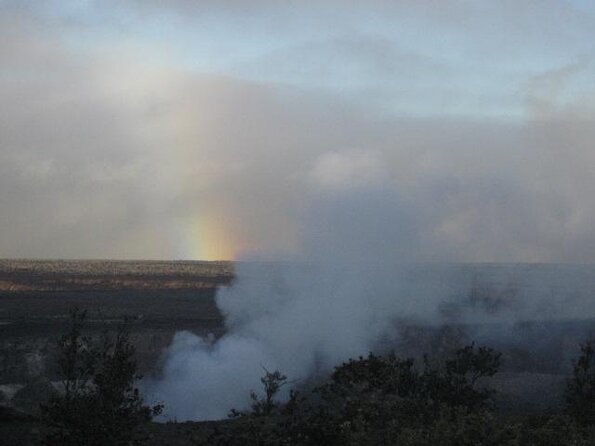
- Private upper slopes of Hualalai: Pass through three locked gates to reach volcanic sites that are not part of a standard public sightseeing route.
- Four miles of varied terrain: Expect lava flows, craters, native forest, loose rock, and a short lava tube.
- Up to 1,000 feet of elevation change: The route includes both climbing and descending, with some tricky footing.
- Small groups capped at 10: You get more room to ask questions and more personal attention than on a large coach excursion.
- Useful equipment is supplied: Walking sticks, daypacks, rain gear, drinks, filtered water, and snacks are included.
- Morning departure from Kona: Check in at Hawaii Forest & Trail at 7:15 a.m. for the 7:30 a.m. start, then return to the same place about five hours later.
Reaching Hualalai through private gates
Your morning begins at the Hawaii Forest & Trail headquarters on Olowalu Street in Kailua-Kona. Plan to arrive 15 minutes before the 7:30 a.m. departure. Restrooms are available, and parking is described as adequate and easy to find.
The drive to the trailhead takes about 30 minutes. That transfer matters because the tour is not simply a walk from town. You are heading toward Hualalai’s upper slopes, where access is controlled and the route crosses private land.
The three locked gates help explain part of the price. You are not paying only for a guide and a snack. The $198.95 fee also covers access charges, local taxes, transportation to the trailhead, equipment, drinks, and instruction in a small group. At this price, I would choose it for the unusual access and the guide’s expertise, not just for exercise.
The company limits the group to 10 people. That is a useful size for a rough trail. A guide can keep an eye on footing, explain a formation without shouting, and adjust the pace when the group needs a break.
More Hiking Tours in Big Island
- Secret Tide Pool Hike – Jungle & Coast – Private
★ 4.5 · 92 reviews - Kilauea: Volcanoes National Park Guided Hike
★ 4.8 · 61 reviews - Big Island: Hawai’i Volcanoes National Park Guided Hike
★ 4.9 · 30 reviews
Craters, lava flows, and a short lava tube
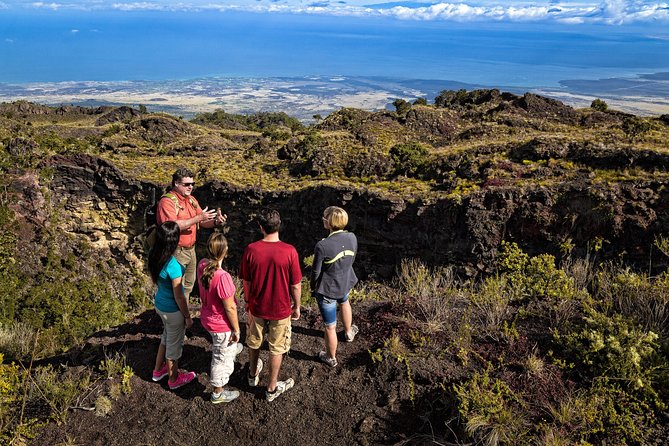
The main outing lasts about four hours, with a total tour length of roughly five hours. The route covers about four miles, though the effort is shaped more by the ground and elevation than by distance.
You may cross rugged volcanic flows and walk around the rims of large craters. The scenery changes as you go, from exposed rock and cinder to newer forest and older growth. That variety gives the hike its appeal. You are not looking at one volcanic feature from a platform. You are moving through several kinds of terrain and seeing how vegetation returns after eruptions.
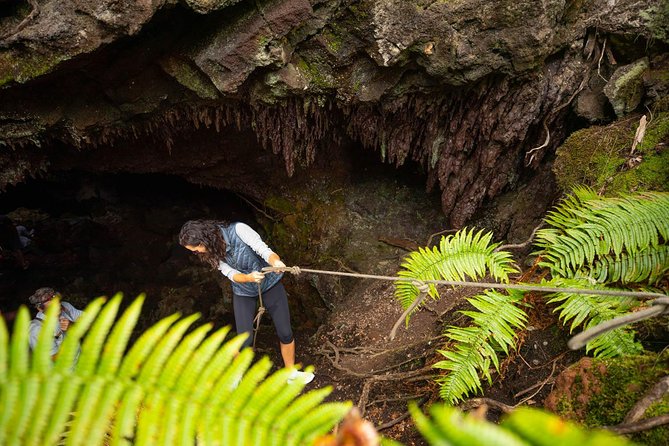
The lava tube is one of the most memorable parts for many people. It is short, but reaching it and climbing in and out adds a physical challenge. Walking sticks can help on the loose or slick sections, and the company supplies them. Still, a stick does not replace sure footing. If you dislike crouching, balancing, or stepping over uneven rock, this part may be uncomfortable.
The crater sections also reward a slow pace. Take time to look at the cinder, the broken lava, and the shape of the ground. The guide can connect those features to the volcanic activity that formed Hualalai and to the wider geology of the Big Island.
This is also a cultural outing, not only a geology lesson. Guides have shared local stories, Hawaiian cultural details, and explanations of the plants found along the trail. Mark has been singled out for his care with the land and for allowing quiet moments when the group wanted to simply listen and take in the surroundings.
What the guide adds to the hike
The guide is a major part of the value here. The route would still offer fine views without commentary, but a good naturalist helps you understand why one patch of forest looks different from another and why a crater or lava tube matters.
Several guides have led this outing, including Mark, Matteo, Taro, Tracy, Nick, Jon, Adam, and Mel. You may not receive a particular guide, so it is best to see those names as examples of the company’s guiding team rather than a booking guarantee.
The strongest guide reports describe a mix of geology, native plants, Hawaiian culture, local history, and safety advice. That combination keeps the hike from becoming a long list of rock names. You get a clearer sense of how the volcano shaped both the ground and the human story of the island.
Safety awareness is another plus. On rough ground, a guide can point out a slippery descent, warn you about loose gravel, and show you how to approach the lava tube. Guides have also been praised for noticing when someone needed a rest and for offering easier or harder choices along parts of the route.
Do not mistake that flexibility for an easy outing. The group generally stays together, and the guide can adjust the pace, but you still need to manage the full route. One account described the pace as spirited, while another considered the hike harder than the advertised moderate rating. I would plan for the more demanding interpretation.
How hard is the four-mile route?
The official requirements call for a moderate fitness level, three to four miles on uneven or rocky ground, and up to 1,000 feet of elevation gain and descent. In practical terms, this is a mountain hike with volcanic footing.
You may encounter:
- Loose gravel that shifts beneath your shoes
- Steep uphill and downhill sections
- Slippery ground after rain
- Uneven lava rock
- A climb in and out of a lava tube
- Rough surfaces where balance matters
Some people in their 70s have completed the route, while fit hikers have described it as technical and challenging. Those examples point to the real issue: age alone does not decide if this is suitable. Your balance, knees, footwear, and comfort on rough ground matter more.
Wear closed-toe walking shoes or hiking boots. Hiking boots are the better choice if you have them, since several parts call for traction. Tennis shoes may not grip loose or wet surfaces well enough.
The company suggests shorts, a short-sleeved shirt, and a light sweatshirt or jacket. Conditions can change with elevation, and rain gear is supplied. Bring a willingness to get dusty, damp, or dirty. This is not a polished path.
The hike is not recommended for children aged seven and under, or for anyone with back or neck problems. It is also a poor match if you have troublesome knees, weak balance, or little experience outdoors. If you are unsure, choose a shorter and gentler walk instead.
Same island, a completely different kind of day:
- Big Island in a Day: Volcanoes Waterfalls Sightseeing and History
★ 5.0 · 6,569 reviews - Big Island Manta Ray Night Snorkel
★ 5.0 · 5,656 reviews - Big Island: Kona Manta Ray Snorkel Tour in Keauhou Harbor
★ 4.5 · 2,465 reviews - Hilo Shore Excursion: Volcanoes National Park & Black Sand Beach
★ 4.5 · 2,338 reviews
Views above Kona and changing forest
One of the rewards of climbing Hualalai is the view. On clear days, you can find yourself above the clouds with broad views toward Kona and the surrounding Big Island terrain.
Cloud cover can reduce the distance you see, but it does not erase the volcanic features close at hand. Craters, lava formations, forest, and cinder remain the focus. The weather itself can also change the feel of the route, from open and sunny to cool and overcast.
The forest sections provide a welcome contrast to the exposed volcanic ground. The route may take you through newer forest and older growth, giving you a close look at how plants occupy different volcanic surfaces over time. Guides point out native plants and explain the natural setting as you go.
I would not book this only for a guaranteed panoramic photograph. Mountain weather can cover the horizon. Book it because the route combines views with access to craters, lava formations, forest, and a lava tube.
Water, snacks, and useful gear
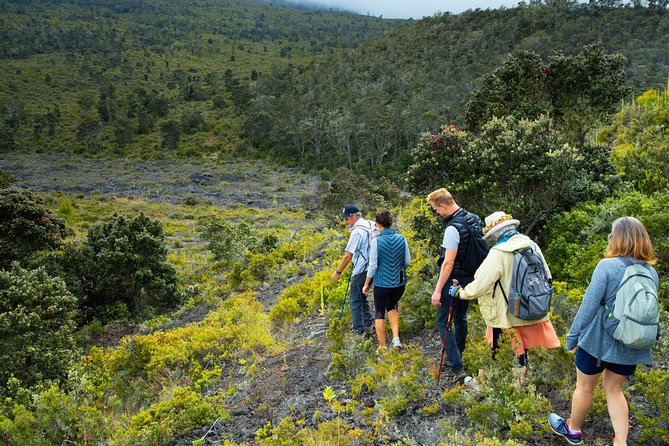
The included supplies are more useful than they may sound. You receive a daypack, walking sticks, rain gear, filtered refillable water, juice, sparkling flavored water, and snacks.
The food and drinks matter on a four-hour hike, especially when you are climbing. You do not need to carry a large load from the start, and you can refill water during the outing. You should still arrive hydrated and eat a normal breakfast before departure.
The walking sticks are particularly helpful on descents and loose ground. Even if you normally hike without one, consider using a stick here. A little extra stability can make the difference between a controlled step and a sliding one.
The supplied rain gear is useful insurance, but it does not make wet volcanic rock safe. Slow down when conditions turn slick and follow the guide’s instructions.
Is $198.95 a fair price?
At $198.95 per person, this is not a budget hike. The price makes more sense when you add up what is included: a naturalist guide, private-land access, transportation from the Kona headquarters to the trailhead, drinks, snacks, equipment, taxes, and access fees.
The small group is also part of the value. With a maximum of 10 people, you are not being moved through a large crowd. That matters when you want to ask about a plant, pause for a view, or get help choosing the safest line across rough ground.
I would call it a good value for an active visitor who wants access that is difficult to arrange alone. It is less compelling if you want only a scenic drive, a short stroll, or a guaranteed easy route. In that case, the physical demands may outweigh the private access and instruction.
The company has earned a 4.9 rating from 157 posted ratings, with 99 percent recommending the experience. Those numbers fit the main strengths: the guides, the scenery, the unusual access, and the well-supplied outing. The lower rating feedback is useful too, because it points to one repeated concern: the hike can feel harder than the word moderate suggests.
Timing, cancellations, and practical limits
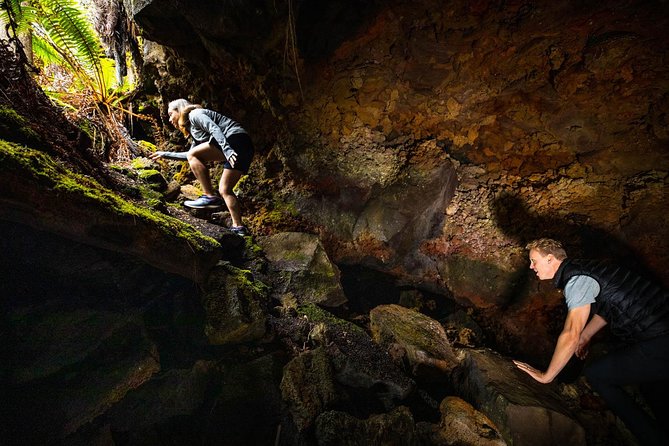
The tour starts at 7:30 a.m. and ends back at the Kona headquarters. Hotel pickup and drop-off are not included, so you must make your own way to the meeting point.
Cruise ship passengers cannot use this outing because of timing restrictions. That is important if your visit to Kona is tied to a ship schedule.
Free cancellation is available up to 24 hours before the start time. Cancellations or changes made inside that window are not refunded. The tour also needs good weather and a minimum number of people. If poor weather or low enrollment cancels the outing, you are offered another date or a full refund.
Book ahead if the date matters. The average booking point is 52 days before the outing, which suggests that popular mornings can fill well before a Big Island visit.
Who should book the Hidden Craters Hike?
I would choose this hike if you:
- Enjoy a genuine four-mile mountain walk
- Want to see volcanic features up close
- Like learning about geology, native plants, and Hawaiian culture
- Prefer a small group
- Are comfortable with loose rock and steep ground
- Value access to private land
- Want a guide rather than a self-guided route
I would skip it if you:
- Need flat, paved paths
- Have back, neck, knee, or balance problems
- Dislike entering a lava tube
- Want a relaxed sightseeing morning
- Are traveling by cruise ship
- Have not prepared for a sustained uphill and downhill walk
My advice before you book
The Hidden Craters Hike gives you a close look at a side of Kona that is easy to miss from town. You get private access, changing volcanic terrain, good views, native forest, a lava tube, and a guide who can turn scattered rocks into a readable story about Hualalai.
My main advice is to treat the fitness warning seriously. Bring proper footwear, expect slippery or loose surfaces, and do not assume that a moderate label means easy. If you are in decent hiking shape and want a hands-on volcanic experience, this is a strong choice. If your priority is comfort, choose another Big Island outing.
FAQ
Where does the Hidden Craters Hike begin?
It begins at Hawaii Forest & Trail, located at 73-5593 A, 73-5593 Olowalu Street in Kailua-Kona, Hawaii.
What time should I arrive?
The tour starts at 7:30 a.m. You should arrive 15 minutes early to check in.
How long does the tour last?
The full experience lasts about five hours, including the transfer to the trailhead and the hike.
How far do you hike?
The route covers about three to four miles, with the main description listing a four-mile hike.
How much elevation change is involved?
The route can include up to 1,000 feet of elevation gain and descent.
How large is the group?
The maximum group size is 10 people.
What equipment is included?
Walking sticks, daypacks, rain gear, refillable filtered water, juices, sparkling flavored waters, and snacks are included.
What should I wear?
Wear closed-toe walking shoes or hiking boots. Shorts, a short-sleeved shirt, and a light sweatshirt or jacket are recommended.
Is the hike suitable for young children?
It is not recommended for children aged seven and under.
Can cruise ship passengers join this hike?
No. Cruise ship passengers cannot be accommodated because of timing restrictions.
What happens if bad weather cancels the tour?
You will be offered a different date or a full refund if poor weather causes a cancellation.
Can I cancel for a full refund?
Yes. You must cancel at least 24 hours before the experience start time for a full refund.
Just added around Big Island
- Kailua-Kona: Pacific Humpback Whale Watch Excursion★ 5.0 · 4 reviews
- Kalaoa: Big Island and Kona Midday Whale Watching Tour★ 4.3 · 29 reviews
- Kailua Kona: Humpback Whale Watching Adventure Cruise★ 4.5 · 33 reviews
- Kona Hi, Sunset Manta Ray Tour 10 passengers maximum★ 5.0 · 14 reviews
- Kailua-Kona: Night Manta Snorkel or Dive★ 4.6 · 7 reviews
- Kona Tradewind Catamaran Sail with Cocktails★ 4.7 · 5 reviews
- Big Island: Kona Half-Day Boat Tour with Snorkeling & Lunch★ 5.0 · 34 reviews
- Kailua-Kona: Haunted History Ghost Walking Tour★ 4.1 · 8 reviews
Hiking & Trekking, compared.
Small Group Waterfall and Rainforest Hiking Adventure on Maui
Read our review →
Kauai Adventure: Kayak & Hike to Secret Falls with Expert Guide
Read our review →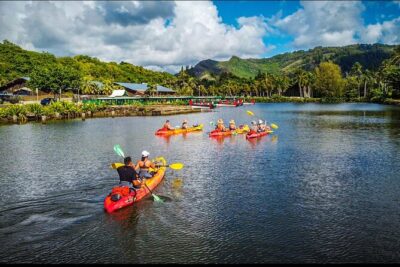
Secret Falls Kayak & Hike Guided Adventure on the Wailua River
Read our review →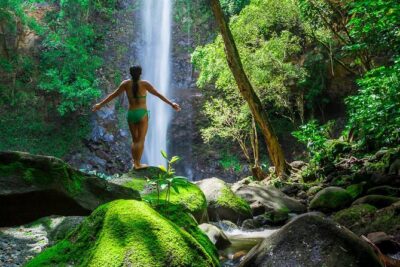
Wailua River Kayak and Sacred Falls Guided Hike with Lunch
Read our review →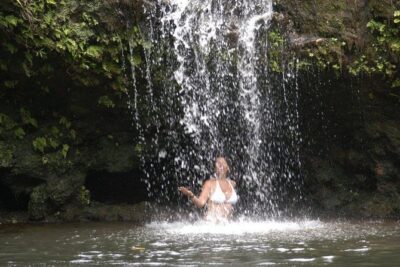
Waterfall & Rainforest Hiking Adventure with Hotel Pickup
Read our review →
Manoa Falls Waterfall Hike with Lunch and Transfers
Read our review →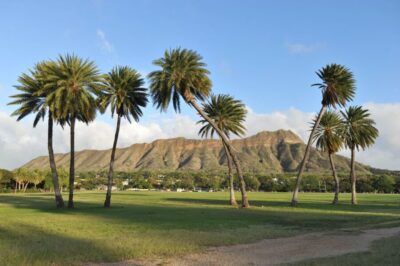
Diamond Head Hike with Roundtrip Transportation
Read our review →Browse the lists this tour appears in