
Reviewed · SNORKELING
Kailua-Kona: Night Manta Snorkel or Dive
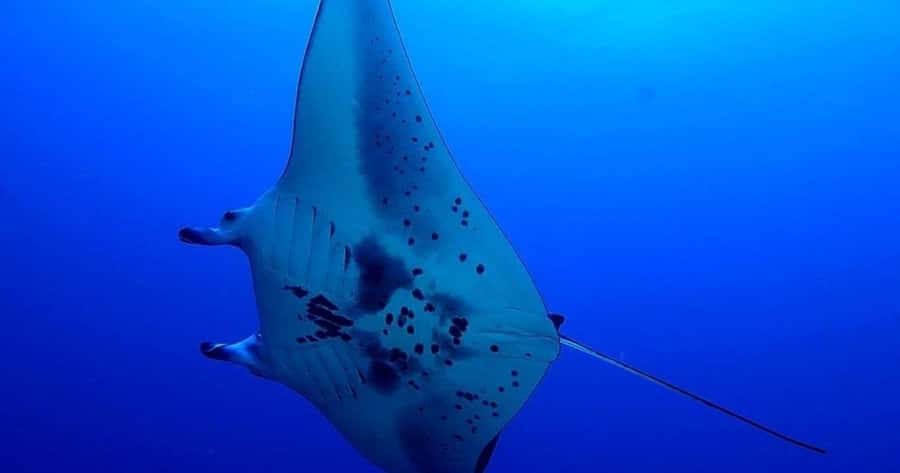
At night in Kailua-Kona, underwater lights turn a calm bay into a feeding theater for manta rays. You watch these huge, gentle animals glide close by, looping and flipping through the plankton-rich water. It is one of Hawaii’s most unusual wildlife encounters, and the action happens right in front of you rather than at a distant viewing point.
I like two things here. First, the sheltered bay and sandy bottom make the setting less intimidating than open-ocean snorkeling. Second, snorkelers float above the scuba group, so you get a clear view from the surface without needing to descend. The mantas can reach 15 feet across and weigh more than 1,000 pounds, yet they move with surprising grace.
The main consideration is that this is a nighttime ocean activity, so it may not suit non-swimmers, people with back problems, or anyone prone to seasickness. The operator has also had at least one same-day cancellation, so keep some flexibility in your Kona schedule.
Key points to know before booking
- Manta feeding show: Underwater lights attract plankton, which brings the rays close to the group.
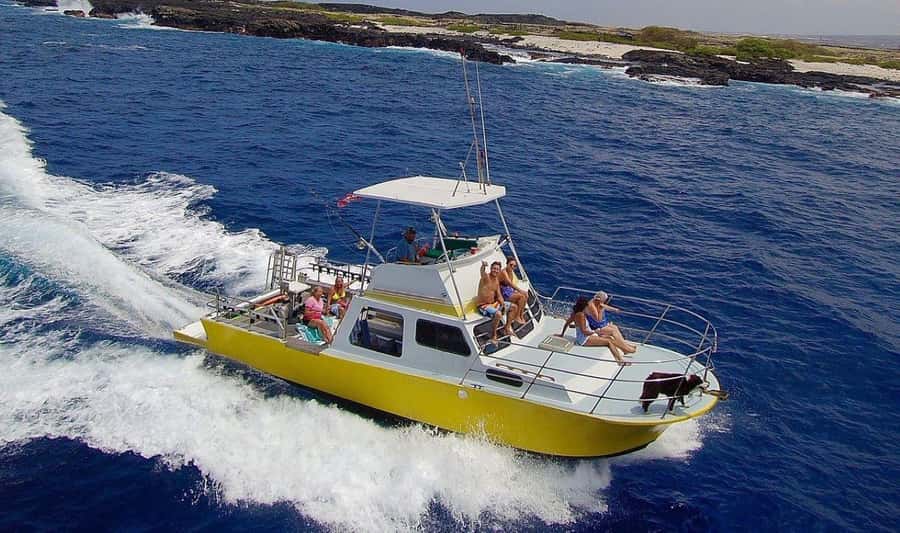
- Sheltered setting: The boat anchors in a calm bay over a sandy area about 30 feet deep.
- Two ways to watch: Snorkelers float at the surface, while scuba participants settle on the bottom.
- Short, focused outing: The full activity lasts about two hours, making it easy to fit into a Kona itinerary.
- Basic refreshments included: Snorkeling gear, light snacks, and some non-alcoholic drinks are provided.
- Extra scuba cost: The activity price is $129 per person, but scuba gear costs another $40 if you choose that option.
Why Kona’s nighttime manta encounter is so special
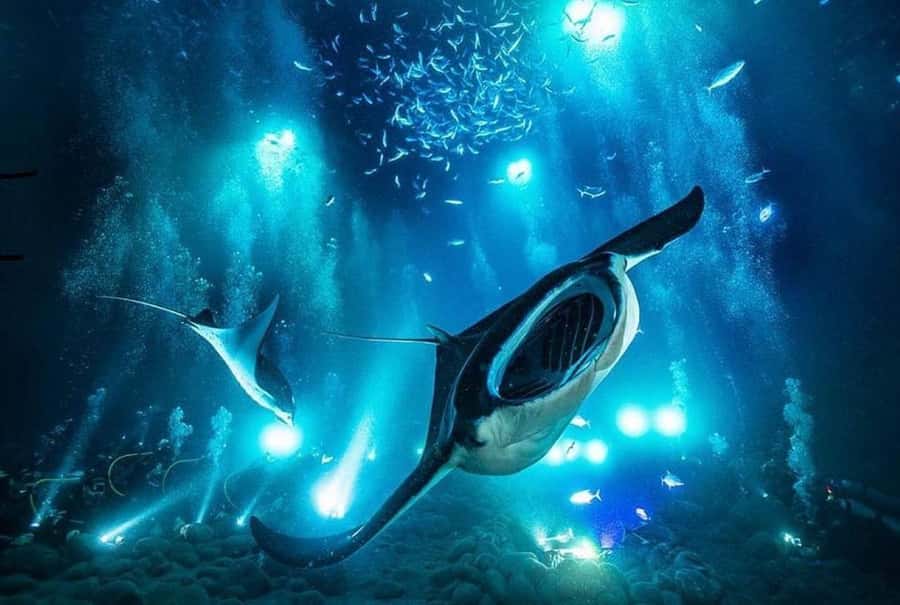
Kailua-Kona is one of the best-known places to watch manta rays at night because the animals gather around a dependable food source. The idea is simple: lights shine into the water, plankton collects near the glow, and manta rays arrive for an easy meal.
That feeding pattern gives you something far better than a quick glimpse of wildlife. The rays repeatedly sweep through the lit water, making continuous flips as they collect plankton. You can often follow the movement of a single animal as it rises, turns, and glides away before another takes its place.
I like the scale of the encounter. A manta may have a wingspan of roughly 15 feet and weigh more than 1,000 pounds, but its movements are quiet and controlled. You are watching an enormous wild animal feeding in its normal habitat, not an animal performing a trained routine.
The darkness also changes the mood. During the day, reef fish and bright coral compete for your attention. At night, the lights narrow your focus to the water immediately around the boat and the rays moving through it. That makes the experience feel concentrated and a little otherworldly without requiring a long trip or a complicated route.
More Scuba Diving in Big Island
- One Tank Manta Night Dive and Snorkel
★ 5.0 · 56 reviews - Two Tank Morning Reef Dive and Snorkel
★ 5.0 · 54 reviews - 2-Tank Daytime Scuba Dive Boat Trip
★ 5.0 · 26 reviews
Setting out from a sheltered Kona bay
The activity lasts about two hours, with the boat anchoring in a calm, protected bay. This matters because the setting can make a major difference to your comfort. The water is described as serene and sheltered, and the viewing area sits over a sandy bottom that drops to about 30 feet.
For snorkelers, the arrangement is straightforward. You remain at the surface and look down toward the lights, the scuba participants, and the rays moving between them. You do not need to descend to the sandy bottom to see the animals.
For scuba participants, the group gathers on the sand below. From there, the rays pass above and around the viewing area. The arrangement gives each type of participant a defined place, which helps keep the encounter organized and leaves room for the animals to move naturally.
There is no hotel pickup, so you need to arrange your own way to the departure point. The supplied details do not give a pickup location or transport service, so check the meeting instructions carefully when you book. Bring your own towel, too. It is an easy item to forget when the main focus is the wildlife.
What happens when the lights come on
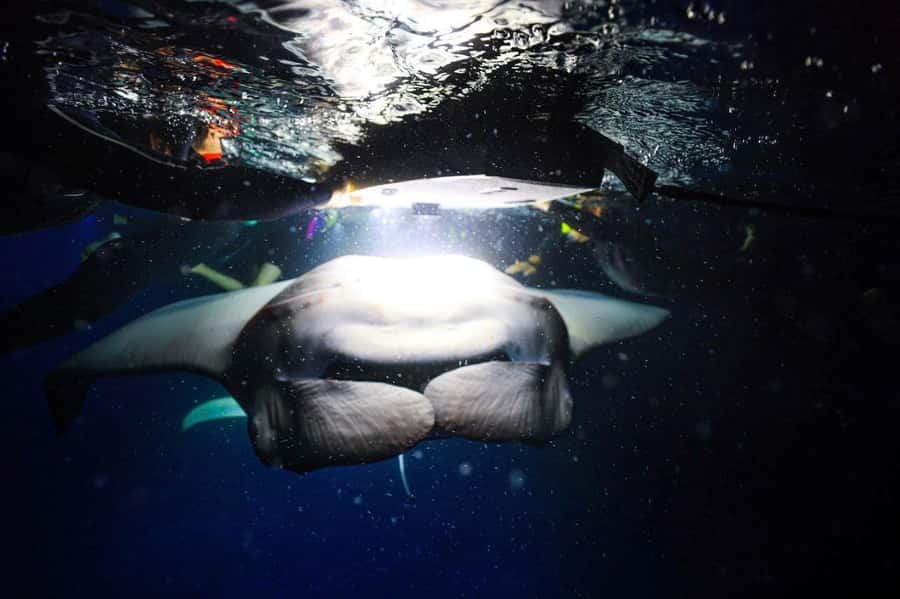
The lights are the key to the whole event. They draw plankton into the area, and the plankton attracts the manta rays. This is not a baited wildlife encounter based on feeding the animals, and you are not expected to handle or touch marine life.
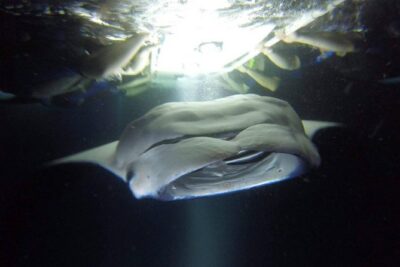
Once the group is in position, the activity becomes a patient wait followed by sudden movement. A ray may appear at the edge of the light, then glide through the illuminated water with its mouth open. It may flip repeatedly as it gathers plankton, passing close enough for you to appreciate the animal’s size and winglike fins.
The scene is best enjoyed by staying calm and keeping your attention on the water. The rays do the work. You are there to watch, not chase them, reach for them, or try to direct their path.
The rules are simple: do not touch marine life or underwater plants. Those limits protect both you and the animals. They also help preserve the natural quality of the encounter, since the mantas can continue feeding without being grabbed or interrupted.
Snorkeling above the manta rays
The snorkeling option is the easier choice for many people because you remain at the surface. You float above the scuba group and look down toward the lights and the sandy bottom. The layout lets you see the rays without needing scuba equipment or prior underwater training.
Snorkeling gear is included, which improves the value of the $129 price. You still need to bring swimwear, a change of clothes, a towel, water, snacks, and biodegradable sunscreen. A waterproof camera is also listed as a useful item, though you should be prepared for the darkness to make photography tricky.
You need to be comfortable in the water. This activity is not suitable for non-swimmers, and even a calm bay can feel different once the sun goes down. If you are a cautious swimmer, consider how you feel floating in open water at night before committing.
The surface viewpoint has one clear advantage: you can watch the full movement of the rays from above. You see them turn and loop through the light, while the people below provide a sense of scale. You also avoid paying the additional $40 for scuba gear rental.
More Snorkeling Tours in Big Island
- Kailua Kona: Dolphin, Sea Cave and Captain Cook Snorkel Tour
★ 4.5 · 14 reviews - Big Island: Manta Ray Snorkel Boat Tour
★ 4.4 · 12 reviews - Kailua-Kona: Big Island Morning Snorkeling Tour with Lunch
★ 4.9 · 7 reviews - Big Island Manta Ray Night Snorkel
★ 5.0 · 5,656 reviews
The scuba option at about 30 feet
The scuba choice places you on the sandy bottom at roughly 30 feet. From there, you look up as the mantas move through the illuminated water. Being below the surface changes the angle and may make the animals feel even closer as they pass over the group.
Scuba gear is not included in the $129 price. If you choose this option, you can rent the required gear on site for $40. That brings the basic activity cost to $169 before considering any other personal expenses, so compare the total carefully if you are choosing between the two formats.
The supplied information does not detail certification requirements, equipment brands, or instruction. You should confirm any scuba qualifications and gear arrangements before booking if you plan to use the underwater option. The activity description is clear about the location and extra rental charge, but not about the technical requirements.
I would choose scuba only if you already feel confident and prepared for a nighttime underwater setting. The snorkeling position offers an excellent view and avoids the extra equipment charge. For many people, it is the more practical value.
What is included, and what you still need
The package includes snorkeling gear, light snacks, and some non-alcoholic drinks. That covers the basics for a short evening on the water, but it is not a full meal. Eat beforehand if you know you get hungry after swimming.
Towels are not included. Pickup is not included either, so you need to handle both the meeting point and your post-activity dry-off. Pack a change of clothes in a small bag, and bring water even though some drinks are provided.
Biodegradable sunscreen is specifically requested. Apply it before entering the water and avoid touching plants or animals. A waterproof camera can help you record the evening, but do not let photography distract you from watching the rays directly.
The short duration helps with planning. Two hours is long enough to get out to the viewing area and spend meaningful time watching the animals, while still leaving room for dinner or another evening plan. Since start times can vary, check the available schedule for your date rather than assuming a fixed departure.
Crew service and the practical risk of cancellation
The crew and captain have received strong praise for being capable, friendly, and attentive to the operation. One recent customer specifically noted that the team kept the activity fun while staying in control of what was happening. Another gave simple approval to the captain and crew.
That combination matters on a nighttime water trip. You want a crew that can keep the group organized while still making the atmosphere relaxed. No individual guide names are provided, so you should not expect to select a particular captain or guide.
There is one planning concern. A same-day cancellation has occurred, with the affected customer expecting a refund. That does not tell you how often cancellations happen, but it is a useful reminder not to schedule your most important evening plans around this activity with no backup.
The cancellation policy allows a full refund if you cancel at least 24 hours in advance. You can also reserve now and pay later, which helps if your Hawaii plans are still taking shape. These terms reduce some booking risk, but they cannot prevent a last-minute operator cancellation from affecting your schedule.
Is $129 a fair price?
At $129 per person, the value depends mainly on which format you choose. For snorkeling, the price includes gear, light snacks, non-alcoholic drinks, the boat trip, and access to a wildlife encounter that is difficult to recreate on your own.
The cost is easier to justify if seeing manta rays is a top priority for your Kona visit. The activity is short, but the main event is unusually focused. You are not spending hours traveling between several unrelated stops. Most of the outing centers on one clear purpose: watching manta rays feed under the lights.
The scuba option needs a closer look. Adding $40 for gear rental brings the total to $169 per person, before any other costs. If you already have suitable equipment, confirm whether bringing it changes the price, since the provided details only specify the on-site rental charge.
Snorkeling is likely the better value for people who want the spectacle without added cost or technical demands. The surface position gives you a broad view, and the rays still pass through the illuminated area close below.
Who should book this experience?
You should consider this outing if you are a capable swimmer, enjoy wildlife encounters, and want one of Kona’s most distinctive evening activities. It suits people who like a strong central experience rather than a long itinerary packed with many stops.
It is also a good fit if you prefer a sheltered setting. The calm bay and sandy viewing area are less demanding than a rough open-water outing, although you are still in the ocean at night and should take the water requirements seriously.
Families and groups need to assess each person individually. The activity is not suitable for non-swimmers, and people with back problems or a tendency toward seasickness should skip it. The available information does not give a minimum age, so check that point before booking for children.
You may want to avoid it if you need a guaranteed schedule, cannot manage your own transport, or dislike nighttime water activities. The possibility of a same-day cancellation is another reason to keep your evening plans flexible.
What to bring for a smoother evening
Pack swimwear, a towel, and dry clothes. You will be glad to have something warm and dry after leaving the water, even though the activity takes place in Hawaii.
Bring water and a few snacks despite the included refreshments. The supplied food is described as light, and personal preferences vary. Biodegradable sunscreen is required, so choose that rather than a standard product that could harm marine life.
A waterproof camera is welcome if you have one. Keep it secured and use it only when it does not interfere with your view or the group’s space. The best moments may happen quickly, so spend more time watching than adjusting camera settings.
Finally, arrive ready to follow simple wildlife rules. Do not touch the mantas, other marine life, or underwater plants. Respecting that boundary helps keep the encounter safe and protects the setting you came to see.
Should you book the Kona manta ray outing?
I would book this if manta rays are high on your Hawaii wish list and you are comfortable swimming at night. The sheltered bay, organized viewing positions, and plankton-feeding behavior give you a real chance to watch the animals at close range without needing a long or complicated excursion.
For most people, snorkeling is the sensible choice. It includes the needed gear, avoids the extra $40 rental charge, and gives you a clear view from above. Choose the scuba option only if you are already prepared for that format and have confirmed the equipment details.
Keep your schedule flexible, arrange your own transport, and bring your towel and dry clothes. With those small preparations, this two-hour trip offers a memorable look at Kona’s manta rays for a price that is reasonable, especially when the wildlife encounter itself is your main goal.
FAQ
How long does the manta ray activity last?
The activity lasts approximately two hours.
How much does the activity cost?
The listed price is $129 per person.
Is snorkeling gear included?
Yes. Snorkeling gear is included in the activity price.
Does scuba gear cost extra?
Yes. Scuba gear can be rented on site for an additional $40 if you select the scuba option.
Are snacks and drinks provided?
Light snacks and some non-alcoholic drinks are included.
Do I need to bring a towel?
Yes. Towels are not included, so bring your own.
Can I cancel for a full refund?
Yes. You can cancel up to 24 hours in advance for a full refund.
More Scuba Diving in Kailua Kona
- First-Time Scuba Diving in Honolulu + Free Videos
★ 5.0 · 3,123 reviews - Oahu Shark Dive
★ 5.0 · 2,903 reviews - Oahu: Shark Cage Dive on the North Shore
★ 4.8 · 1,485 reviews - Shark Cage Diving on Oahu’s North Shore
★ 5.0 · 1,391 reviews
More Snorkeling Tours in Kailua Kona
- Oahu: Grand Tour Around Island 16 Locations plus Snorkeling
★ 5.0 · 8,669 reviews - Oahu’s Ultimate Tour: Dole, Turtle Snorkel, Pali Lookout & More
★ 4.5 · 5,461 reviews - Oahu Circle Island Tour with Turtle Snorkeling— Small-Groups
★ 5.0 · 5,214 reviews - Waikiki, Hawaii: Turtle Canyon Snorkel Excursion
★ 5.0 · 4,656 reviews
Just added around Kailua Kona
- Kailua-Kona: Pacific Humpback Whale Watch Excursion★ 5.0 · 4 reviews
- Kona Hi, Sunset Manta Ray Tour 10 passengers maximum★ 5.0 · 14 reviews
- Kona Tradewind Catamaran Sail with Cocktails★ 4.7 · 5 reviews
- Kailua-Kona: Haunted History Ghost Walking Tour★ 4.1 · 8 reviews
- Kailua Kona: Dolphin, Sea Cave and Captain Cook Snorkel Tour★ 4.5 · 14 reviews
- From Kailua-Kona: All-Inclusive Volcanoes National Park Tour★ 4.7 · 3 reviews
- Fun and Creative Stained Glass Class and Workshop★ 5.0 · 4 reviews
- From Kona: Volcano & Waterfall Tour, Small Group★ 4.5 · 8 reviews
Snorkeling, compared.
Grand Tour Around Island 16 Locations plus Snorkeling
Read our review →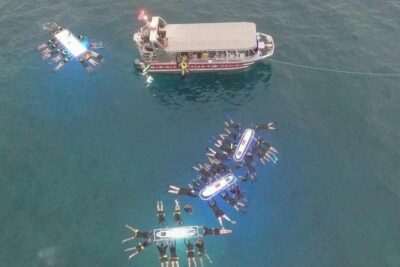
Oahu’s Ultimate Tour: Dole, Turtle Snorkel, Pali Lookout & More
Read our review →
Oahu Circle Island Tour with Turtle Snorkeling— Small-Groups
Read our review →
Kona Manta Ray Snorkel Tour in Keauhou Harbor
Read our review →
Captain Cook Snorkel On A Power Catamaran With Lunch
Read our review →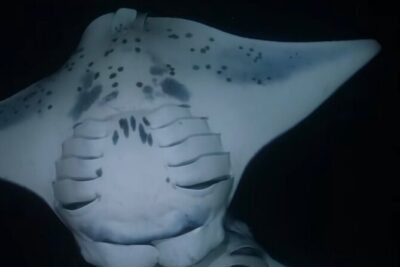
KONA Manta Ray Night Snorkel – FREE re-ride if no Sightings
Read our review →Browse the lists this tour appears in