
Reviewed · MANTA RAY NIGHT SNORKELS
Kona Hi, Sunset Manta Ray Tour 10 passengers maximum
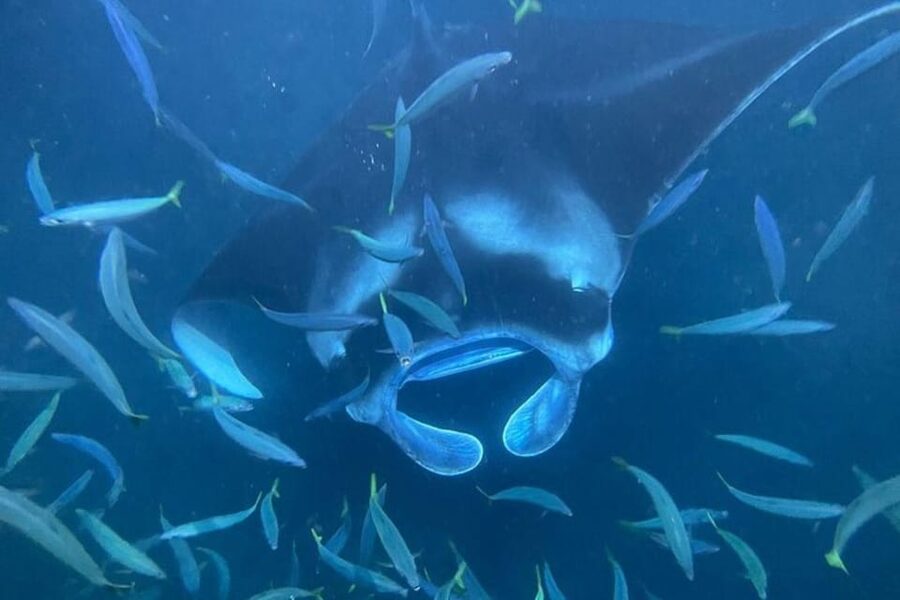
Seeing a manta ray glide silently beneath you in dark Hawaiian water is the main event here. The animals sweep in for plankton around an illuminated float, giving you a close look without chasing or touching them. I like the 10-person maximum and the small family-business feel, which keeps this from turning into a crowded water line.
I also like that the sunset departure lets you watch the coast in fading light before the ocean goes black. Guides such as Bryan and Riley add useful facts while you wait for full darkness. The main consideration is simple: this is a nighttime ocean snorkel, so you need to be comfortable floating in dark water, and rough seas or motion sickness could affect the evening.
Key points at a glance
- Maximum of 10 people: A small boat and limited group make it easier to hear instructions and get space around the float.
- Sunset into darkness: You may see the coast in daylight before entering the water after nightfall.
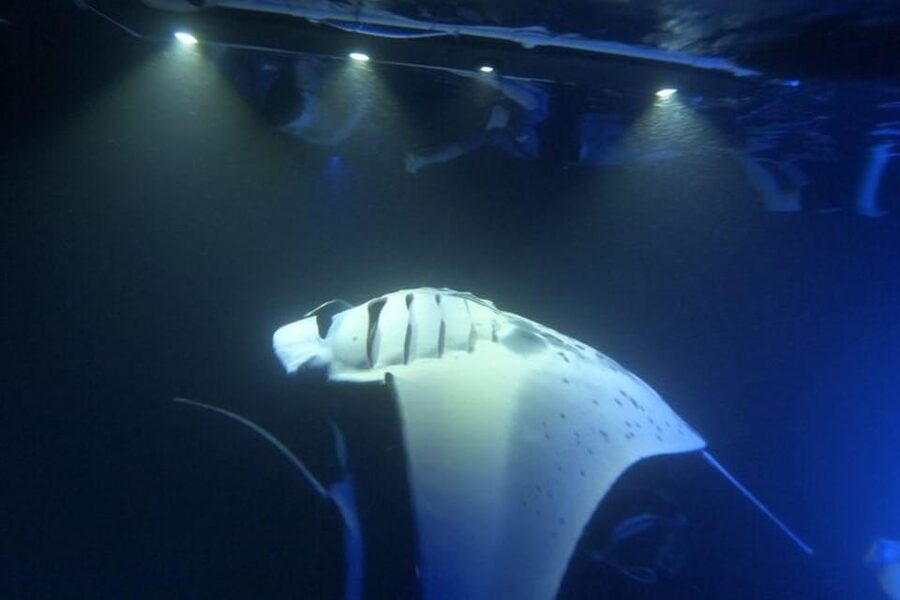
- Illuminated plankton float: The light draws plankton, which brings manta rays close to the viewing area.
- About 20 minutes to the manta site: A recent outing reached a stop near the airport after a short boat ride.
- Wetsuit top and flotation gear included: You get warmth and support in the water, but you must bring your own towel.
- English-speaking crew and possible video delivery: Guides Bryan and Riley have led recent trips, and some outings have ended with videos sent by AirDrop.
Why the Kona manta encounter feels different
The manta ray experience is not a standard reef snorkel. You are not paddling from one fish to another in bright midday water. Instead, you hold onto a flotation device at night while light below or around the float gathers plankton. Manta rays then arrive to feed.
That feeding pattern gives the tour its shape. You are mostly floating in one place, watching the animals make wide, graceful passes. This can feel almost weightless, especially with the flotation equipment supporting you. It is also less physically demanding than a long-distance snorkel, though you still need to be comfortable in open water.
The darkness adds drama, but it also changes what you can see. Your view focuses on the lit water and the manta rays passing through it. You will not get a broad look at the seafloor or the full Kona Coast at night. For many people, that focus is the point.
The animals are wild, not trained performers. Their appearance and activity can vary. The light is used to attract plankton, not to force the mantas into a particular action. That makes the encounter feel more like observing a natural feeding area than watching a staged show.
More manta ray night swims off Kona:
- Kailua-Kona: Manta Ray Watching Nighttime Boat Trip
★ 4.8 · 488 reviews - Big Island: Manta Ray Snorkel Boat Tour
★ 4.4 · 12 reviews - Big Island Manta Ray Night Snorkel
★ 5.0 · 5,656 reviews
Starting at Honokohau Small Boat Harbor
Your meeting point is Hawaii Marine Life Charters at slip G-8 in Honokohau Harbor. From either direction on Queen Kaahumanu Highway, follow signs for the harbor, then turn onto Kealakehe Parkway toward the ocean.
Look for the light tan public restrooms building with the red roof. The charter sign is on the right near the check-in area. Plan to arrive 15 minutes before check-in, not at the listed start time. That gives you room to park, find the slip, and get ready without making the crew wait.
The harbor is north of central Kailua-Kona, so build in driving time if you are staying elsewhere on the island. The exact starting hour varies, and you need to check availability for the current schedule. Since this is a sunset outing, expect the timing to be tied to evening light rather than a broad range of daytime departures.
At the harbor, you meet the guide and the rest of your group. The small group size matters right away. With no more than 10 participants, the briefing should be easier to follow, and the boat should feel less like a floating crowd.
A short boat ride toward the manta site
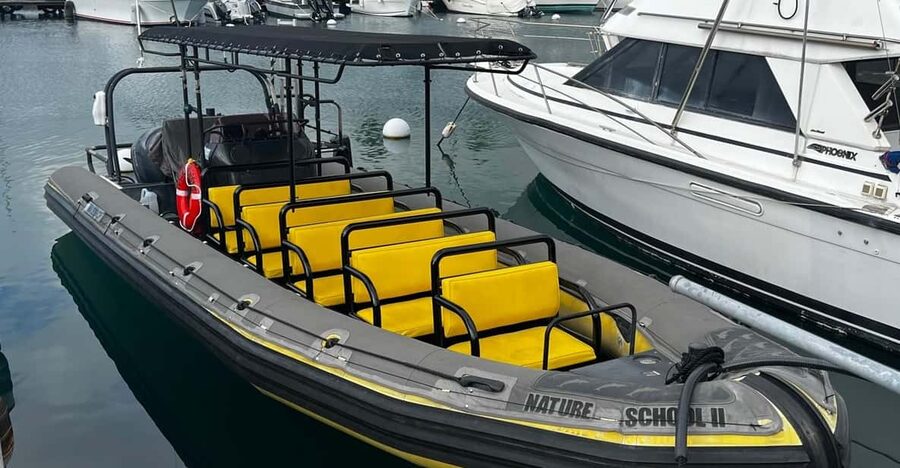
After your introduction and gear fitting, you board the vessel and head out along the Kona Coast. A recent trip took about 20 minutes to reach the manta stop near the airport. That gives you enough time to settle into the boat without turning the ride into a long transfer.
The boat ride is part of the experience, but it is not the star attraction. The shoreline and changing light can be pleasant during the sunset portion. Once darkness settles in, your attention shifts to the water, the boat lights, and the instructions from the crew.
Motion sickness prevention is specifically recommended. If you are prone to seasickness, take your preferred prevention before departure according to its instructions. The tour is only 150 minutes, but even a short boat ride can feel uncomfortable in rough conditions.
The schedule includes swimming, snorkeling, and marine life viewing for about 2.75 hours in the itinerary details, while the advertised total duration is 150 minutes. In practical terms, plan for roughly two and a half hours from departure to return, with time divided between gearing up, the boat ride, the water encounter, and the ride back.
Getting ready with a wetsuit top and mask
The crew provides a wetsuit top for warmth. That is useful because you may be floating in one place for a while after sunset, when the water can feel cooler than expected. You also receive snorkeling equipment and flotation devices.
Prescription, or Rx, snorkeling equipment is available. If you need corrective lenses in the water, this is an important inclusion to confirm at check-in. The equipment is provided for the activity, so you do not need to bring your own mask, snorkel, or flotation support.
Bring your swimsuit and a towel. Towels are not included. I would also choose simple swimwear that stays secure under the wetsuit top and avoid bringing unnecessary loose items onto the boat.
The flotation device is not just a safety extra. It lets you rest your arms and stay positioned at the viewing area while you watch the manta rays. You still need to listen carefully to the guide and follow instructions about where to hold on and how to move around other people.
A few more Kailua Kona mornings worth comparing
- Kailua-Kona: Night Manta Snorkel or Dive
★ 4.6 · 7 reviews - KONA Manta Ray Night Snorkel – FREE re-ride if no Sightings
★ 5.0 · 2,212 reviews - Oahu’s Waikiki Coast: Moana’s Sunset Cocktail Sail
★ 5.0 · 2,205 reviews - Manta Ray Night Snorkel at Kona, Big Island
★ 5.0 · 1,758 reviews
Sunset gives the evening a useful rhythm
The sunset timing is one of the best features of this trip. You begin with some natural light, then wait for the darkness that makes the illuminated float effective. This transition gives the outing a clear rhythm rather than dropping you straight into a black ocean.
One recent trip stopped near the airport, where the group could see something before entering the water and then wait briefly while the light faded. During that pause, a guide shared facts about manta rays. That small window is useful because it helps you understand what you are about to see before you put on your mask.
You should not expect a long sunset cruise with a full coastal narration. The supplied information points to a short boat transfer and a focused wildlife encounter. Still, the fading light adds atmosphere and gives you a better sense of the coastline than a fully dark departure would.
The illuminated float and the manta rays
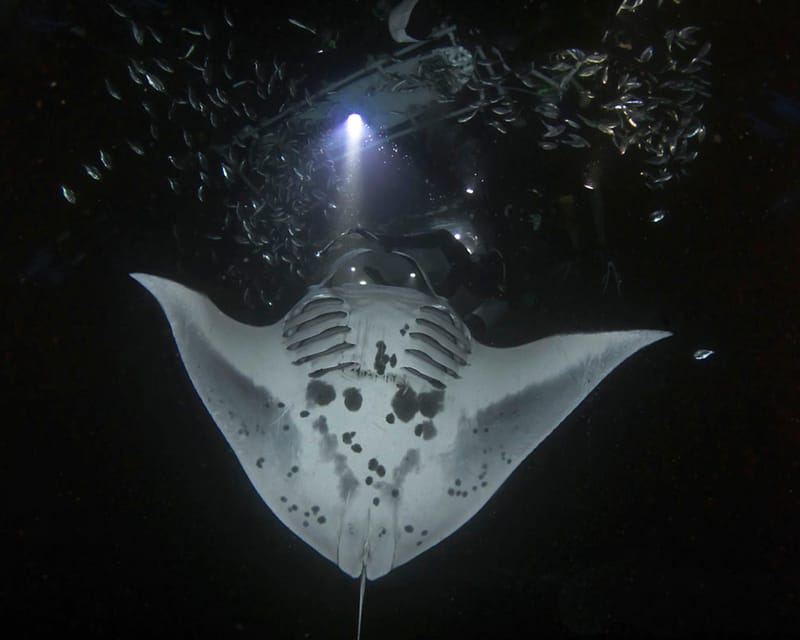
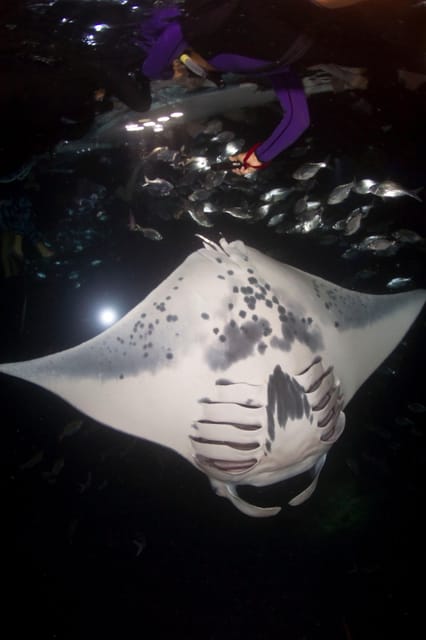
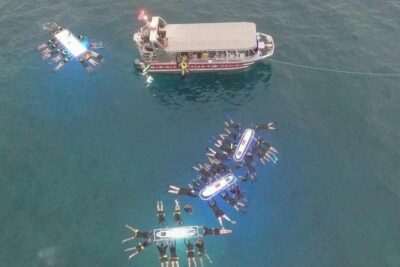
The guide uses an illuminated flotation device to draw plankton, the manta rays’ preferred food, into the area. The mantas then come close to feed. You float and snorkel at the surface while they move below.
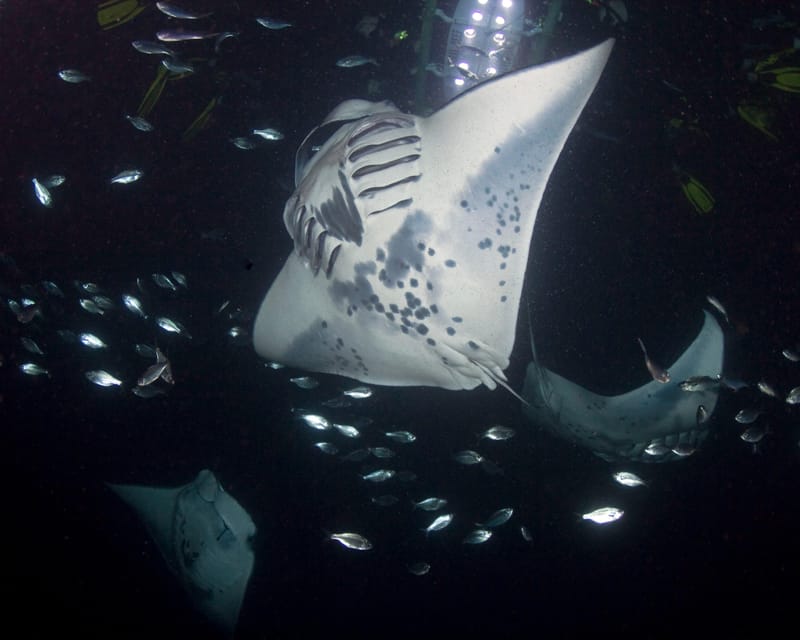
The best view comes from staying calm and keeping your attention down into the lit water. The animals may pass close, then sweep away and return. Their broad movements can be surprisingly quiet, even when they are only a short distance below you.
You do not touch or ride the manta rays. The goal is to watch them in their natural setting and let the feeding activity bring them near. Guides help position the group and keep the encounter respectful toward the animals and the people in the water.
This is where the 10-person limit earns its keep. A smaller group means fewer masks, arms, and bodies competing for the same view. You still share the float with other people, but the experience should feel more manageable than one with several dozen snorkelers.
The ocean at night is not for everyone. Some people love the sense of space and the unusual view. Others may find the darkness unsettling. You will also spend time floating rather than actively swimming, so anyone hoping for a fast-moving snorkel over a reef may prefer a daytime outing.
Guides, safety, and the family-run feel
The tour is conducted in English, with a live guide leading the group. Bryan and Riley have guided recent sunset outings, and their role includes helping with equipment, sharing manta facts, and showing you how to make the most of the viewing area.
The small family-business approach is part of the appeal. You are not being processed through a huge operation with several times the number of people. The crew can give clearer attention to the group, which matters when everyone is getting into the water after dark.
The provided information does not spell out every safety procedure, so you should listen closely during the briefing rather than relying only on the equipment. Tell the crew if you are uneasy, need prescription gear, or are having trouble with your mask or flotation device.
The experience is designed around respect for the ocean and the animals. That means following the guide’s positioning instructions, avoiding contact with the mantas, and keeping your movements controlled near the float.
What the $141 price gets you
At $141 per person, this is not a cheap add-on, but the price covers more than boat transport. It includes the snorkeling trip, an English-speaking guide, a wetsuit top, flotation devices, and standard or Rx snorkeling equipment.
The small group is the biggest value factor. A larger boat might offer a lower price, but you would trade away space, a quieter briefing, and closer attention from the crew. If a personal wildlife encounter matters more to you than the lowest possible fare, the price is easier to justify.
The 150-minute length also works in its favor. You are not paying for a full-day outing with long stretches of unrelated activity. The time is focused on reaching the manta area, getting into the water, watching the animals, and returning to the harbor.
Video can add value, but treat it as a possible extra rather than a guaranteed inclusion. Recent outings provided quality video through AirDrop at the end. The formal inclusions list does not promise video, so ask the crew if having a recording matters to you.
The price does not include towels. You also need to arrange your own transport to Honokohau Harbor and bring motion sickness prevention if needed. Those are small costs, but they belong in your total planning.
Who will enjoy this tour most
I would recommend this outing to you if you want a close wildlife encounter, prefer a small group, and are comfortable snorkeling after sunset. It also suits first-time manta viewers who appreciate having flotation support and an experienced guide nearby.
Families and mixed-ability groups may find the stationary format easier than a long swim, though every participant still needs to be comfortable entering the ocean and following instructions. Rx mask availability is helpful for people who need corrective lenses.
This may not be the right choice if you dislike boats, become easily seasick, or want a daytime reef tour with coral and colorful fish as the main focus. It is also not ideal if you expect a private charter. The group is small, but it is still a shared trip with up to 10 people.
Sunset timing makes it a strong choice for fitting the activity into a Kona itinerary. You can spend the day elsewhere and reserve the evening for the ocean. Check the exact departure time so you do not schedule another activity too tightly beforehand.
Booking details worth knowing before you go
You can cancel up to 24 hours in advance for a full refund, according to the booking terms provided. A reserve-now, pay-later option is also available, which helps if you are still arranging the rest of your Hawaii plans.
The tour is listed as a small-group experience with a maximum of 10 participants. That limit is central to the experience, so I would book early if your dates are fixed.
Bring swimwear, a towel, and motion sickness prevention if appropriate. Arrive 15 minutes before check-in at slip G-8. Use the harbor directions carefully, since the meeting point is not simply the center of Kailua-Kona.
Should you book the Kona sunset manta tour?
Book this tour if you want the manta rays to be the clear focus of your evening and value a small, family-run operation. The combination of a 10-person limit, sunset timing, provided wetsuit top, flotation support, and Rx equipment gives it practical advantages over a basic boat ride.
I especially like the short transfer to the manta area and the way the evening moves from fading daylight into a focused nighttime encounter. The chance of receiving videos afterward is a pleasant bonus, though I would not book solely for that.
Skip it if dark water or boat motion makes you uncomfortable. Otherwise, $141 is a fair price for a tightly focused 150-minute wildlife outing, particularly when you compare the personal space and included gear with larger manta boats.
FAQ
Where does the manta ray tour meet?
The meeting point is Hawaii Marine Life Charters at Honokohau Harbor, slip G-8.
How early should I arrive?
You should arrive 15 minutes before your check-in time.
How do I find Honokohau Harbor?
From north or south of Kailua-Kona, take Queen Kaahumanu Highway, also called Highway 19. Follow the harbor signs, turn onto Kealakehe Parkway toward the ocean, and look for the light tan public restrooms building with a red roof. The charter sign is on the right.
How long does the experience last?
The advertised duration is 150 minutes. The itinerary also describes about 2.75 hours for swimming, snorkeling, and marine life viewing.
How many people can join the tour?
The group is limited to a maximum of 10 participants.
What equipment is included?
The tour includes snorkeling equipment, flotation devices, and a wetsuit top for warmth. Standard and Rx snorkeling equipment are available.
Should I bring a towel?
Yes. Towels are not included, so bring your own.
What should I wear or bring?
Bring swimwear, a towel, and motion sickness prevention if you need it.
Is the tour conducted in English?
Yes. The tour has a live English-speaking guide.
Can I cancel for a refund?
You can cancel up to 24 hours in advance for a full refund. Reserve-now, pay-later booking is also available.
Just added around Kailua Kona
- Kailua-Kona: Pacific Humpback Whale Watch Excursion★ 5.0 · 4 reviews
- Kailua-Kona: Night Manta Snorkel or Dive★ 4.6 · 7 reviews
- Kona Tradewind Catamaran Sail with Cocktails★ 4.7 · 5 reviews
- Kailua-Kona: Haunted History Ghost Walking Tour★ 4.1 · 8 reviews
- Kailua Kona: Dolphin, Sea Cave and Captain Cook Snorkel Tour★ 4.5 · 14 reviews
- From Kailua-Kona: All-Inclusive Volcanoes National Park Tour★ 4.7 · 3 reviews
- Fun and Creative Stained Glass Class and Workshop★ 5.0 · 4 reviews
- From Kona: Volcano & Waterfall Tour, Small Group★ 4.5 · 8 reviews
Manta Ray Night Snorkels, compared.
Kona Manta Ray Snorkel Tour in Keauhou Harbor
Read our review →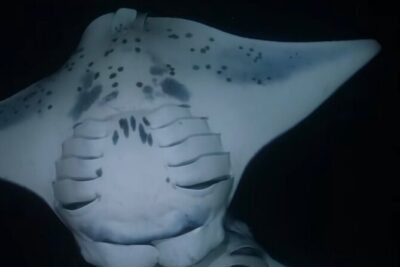
KONA Manta Ray Night Snorkel – FREE re-ride if no Sightings
Read our review →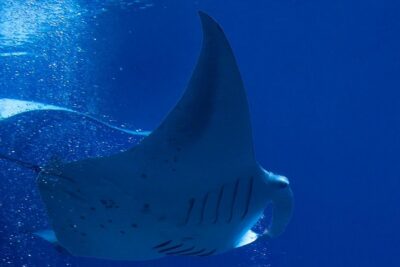
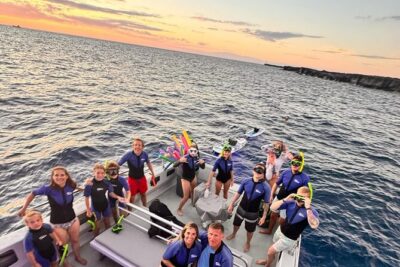
Glow of the Deep: Night Snorkeling with Manta Rays
Read our review →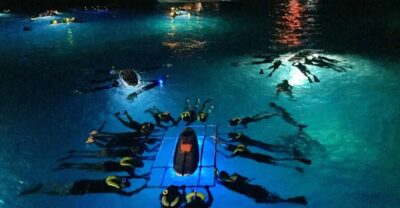
Kailua Kona: Night Manta Ray Adventure on the Big Island
Read our review →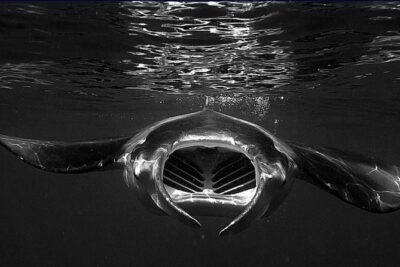
Manta Magic: Small-Group Manta Ray Night Snorkel in Kailua Kona
Read our review →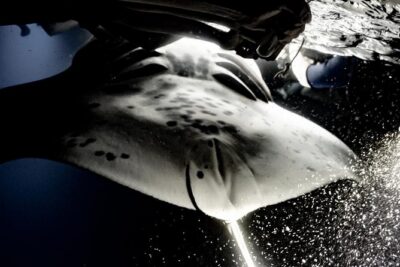
Browse the lists this tour appears in