
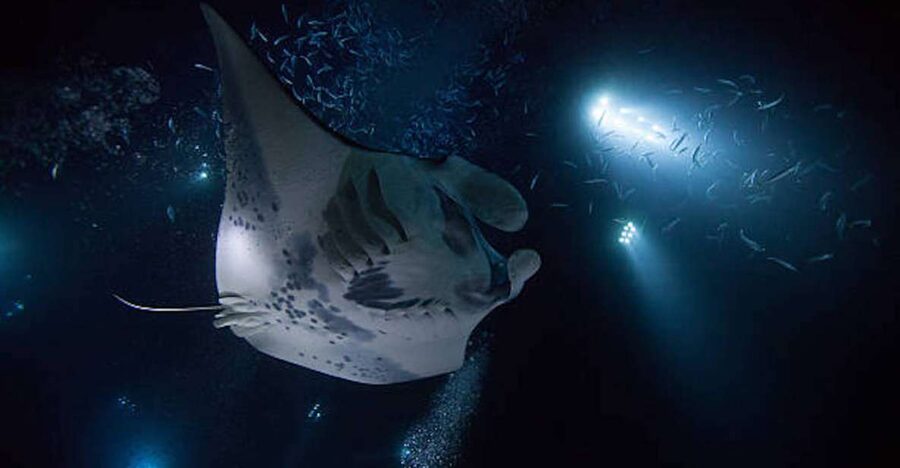
Reviewed · MANTA RAY NIGHT SNORKELS
Kailua-Kona: Manta Ray Watching Nighttime Boat Trip
Kona’s nighttime manta ray trip gives you a rare view of these graceful animals as they circle beneath the boat, often close enough to make you hold your breath. The best part is the choice: stay aboard and watch from the deck, or put on the provided gear and float above the action. The snorkeling option is the real event.
I like the short, two-hour format, the warm and funny crew, and the chance to hear how manta rays feed in Kona’s waters. I also like that guides such as Captain Kelly, Bryce, Koa, and Elayo have taken extra time with nervous swimmers. The main catch is simple: the boat-only option may feel thin for the price, since the rays are much harder to see from the deck.
Key points to know before you book
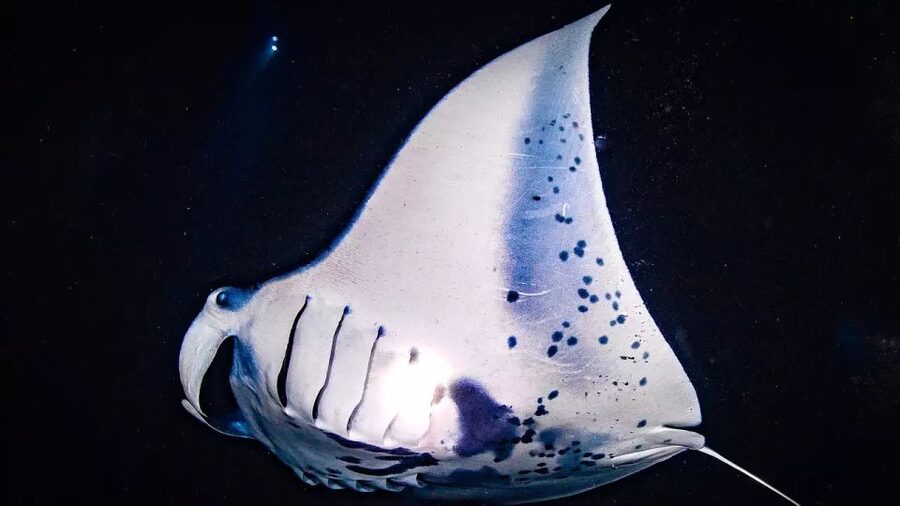
- The manta rays come remarkably close: In the water, they may glide within inches of your face while feeding beneath the boat.
- Choose snorkeling if you can: The boat ride is scenic, but the close encounter happens from the water.
- The crew takes safety seriously: Guides have helped first-time snorkelers and people uneasy about being in the ocean at night.
- Bring warm clothes for the return trip: The boat ride can feel chilly after you leave the water.
- Finding the harbor takes care: You meet near the restrooms, not at a clearly marked private dock.
- The trip costs $75 per person: That is good value for a close wildlife encounter, especially when you use the snorkeling option.
Why Kona’s manta ray encounter feels so special
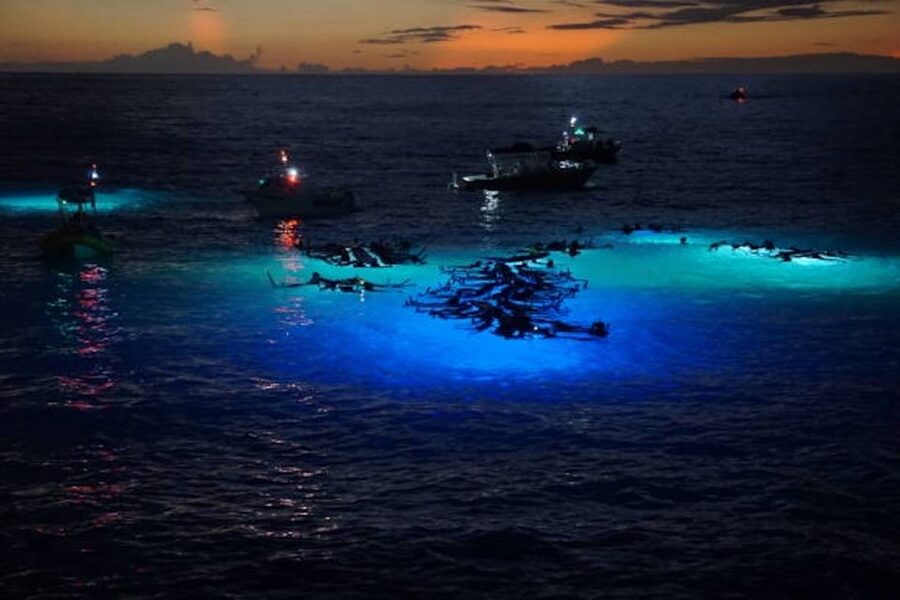
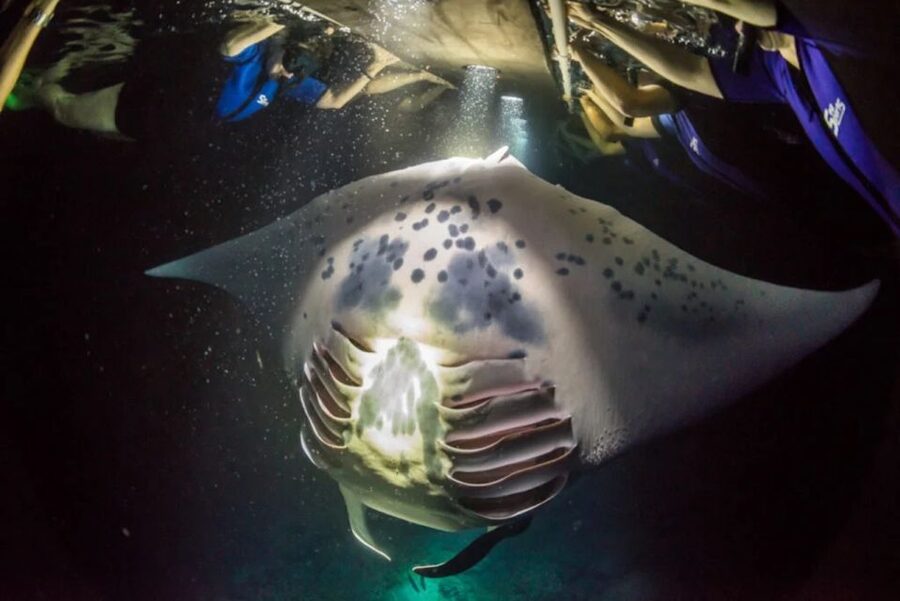
Kona’s manta rays gather around bright lights at night because those lights attract tiny organisms they eat. The rays sweep through the illuminated water with their wide fins extended, making slow turns and spirals as they feed.
You are not chasing them or handling them. You float in place while the animals move below and around you. That makes the experience feel more like quiet wildlife watching than a typical water ride.
The darkness adds a bit of suspense. Even confident swimmers may feel a flutter of nerves when they first look into black water. Then a pale underside or enormous wing passes through the light, and the fear usually gives way to fascination.
The rays are wild animals, so the exact number and activity level can vary. Some outings have seen more than 10 manta rays, while another group saw four. You should go for the chance to witness the behavior, not for a guaranteed count.
More manta ray night swims off Kona:
- Kona Hi, Sunset Manta Ray Tour 10 passengers maximum
★ 5.0 · 14 reviews - Big Island: Manta Ray Snorkel Boat Tour
★ 4.4 · 12 reviews - Big Island Manta Ray Night Snorkel
★ 5.0 · 5,656 reviews
From Honokohau Harbor to the open water
The meeting point is at Honokohau Harbor, about 4.5 miles south of Kona International Airport and 3.5 miles north of Kailua-Kona. After turning into the harbor from the main highway, take the second right and meet the crew member in front of the restrooms.
That final instruction matters. The harbor has several boats and activity operators, and the exact meeting place can be confusing after dark. Call about 12 hours before departure to confirm both the booking and the boat location. Keep the directions or confirmation message handy, since the harbor can look different at night than it does in daylight.
Once aboard, you leave the harbor and head along the Kona coast. The ride itself is short, according to several detailed accounts, but conditions can change. Calm water makes for an easy run, while wind can make the boat choppy. If you are prone to motion sickness, you may want to prepare accordingly, though the ride is not described as consistently rough.
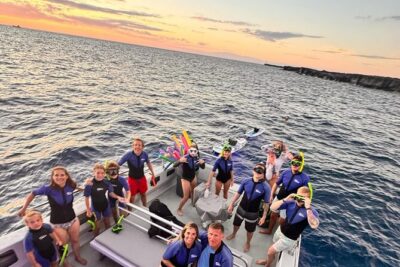
The catamaran provides room to sit and move around. On a clear night, you can look up at the stars and moon from the upper area, though that spot can be windy. Bring a light jacket or warm layer for the way back.
What happens during the two-hour outing
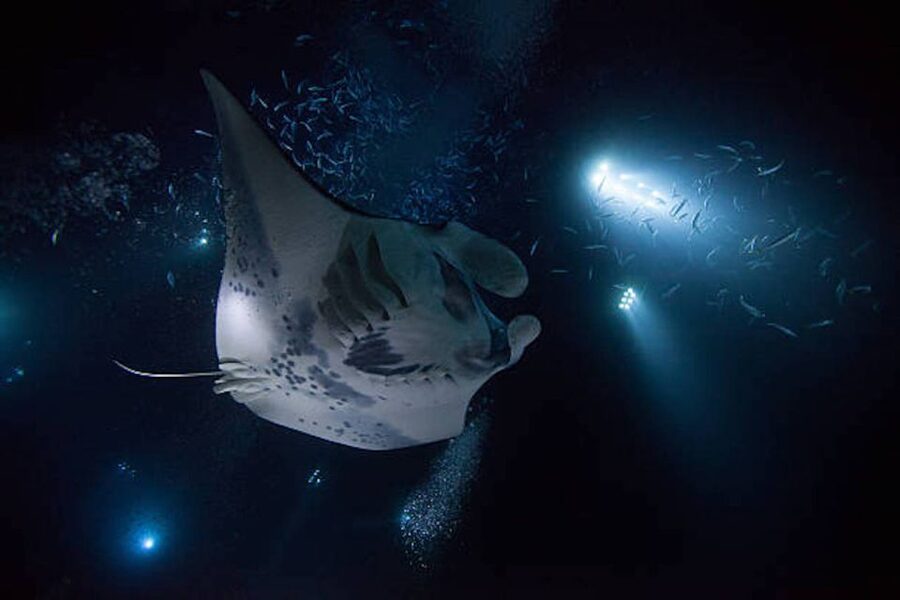
The trip lasts about two hours from departure to return. Your guide explains how manta rays feed, why they visit Kona’s warm waters, and what behavior you can expect once the lights are switched on.
Keep watch during the ride. The focus is manta rays, but the water around Kona can also produce sightings of fish, dolphins, turtles, and, on rare occasions, other marine life. One outing included a pod of dolphins, while another spotted a monk seal. These sightings are bonuses, not promises.
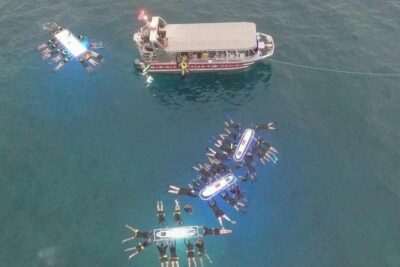
At the viewing site, the crew sets up the lights that draw plankton toward the surface. If you choose to enter the water, you receive snorkel gear, a wetsuit top, and a life jacket. The wetsuit top helps with warmth, but you should still bring a towel and dry clothing.
The crew then positions you above the lights. You float with your face in the water and look down as the manta rays make their feeding passes. Some people remain in the water for around 40 minutes, while others have spent close to an hour watching. Your time depends on the outing and the sea conditions.
When you are ready to leave the water, return to the boat, dry off, and enjoy the light snacks provided. The ride back can feel colder than the ride out, especially when your hair and swimwear are wet. A warm sweatshirt or jacket is one of the most useful things you can pack.
Why snorkeling changes the value
At $75 per person, this is reasonably priced for a short ocean wildlife trip, especially when the close encounter goes well. You get the boat ride, a guide, snorkel gear, wetsuit top, snacks, and life jacket without paying extra for each item.
But the price only makes strong sense if you plan to snorkel. From the boat, you may see lights and perhaps some movement below, but the memorable views come from floating directly above the rays. If you cannot swim or do not want to enter the water, you should understand that the boat-only version is a quieter and less dramatic outing.
This is not a scuba trip. The supplied gear and descriptions point to surface snorkeling, with you supported by a life jacket and guided into position. You do not need to handle the rays or swim after them. The animals come to the lights and pass beneath you.
That setup also makes the activity more approachable for first-time snorkelers. Guides have worked patiently with people who had never snorkeled before and with swimmers who felt uneasy in dark, open water. They can explain what to do, help you settle in, and keep the group together.
You still need to be comfortable entering the ocean. The experience is not suitable for non-swimmers or children under five. Even capable swimmers should expect the water to feel different at night, and you may find that holding your position for a long time makes your arms tired.
A few more Kailua Kona mornings worth comparing
- Kailua-Kona: Voyagers of the Pacific Luau with Buffet Dinner
★ 4.4 · 564 reviews - From Hawaii: Historical Dinner Cruise Tour to Kealakekua Bay
★ 4.8 · 198 reviews - Kailua-Kona: Captain Cook Reef Catamaran Day Trip with Lunch
★ 4.8 · 189 reviews - Kailua Kona: Dolphin, Sea Cave and Captain Cook Snorkel Tour
★ 4.5 · 14 reviews
The crew is a major part of the experience
The crew’s manner can make or break a nighttime ocean activity. Here, the tone is generally relaxed, funny, and encouraging. Names that appear repeatedly in the trip experience include Captain Kelly, Bryce, Koa, Elayo, Kelley, AJ, and Ilio, though the actual crew depends on the departure.
Their role is more than pointing out manta rays. They explain safety procedures, help with equipment, and stay near people who need extra support. That matters when you are wearing a mask in dark water and trying to focus on an animal moving below you.
The best guides also know when to keep the mood light. Guests have described jokes, music, and an easygoing atmosphere alongside clear instructions. That balance is useful: too much chatter would distract from the wildlife, while a stiff presentation would make the night feel more stressful than it needs to be.
The crew has also helped with practical problems, including a misplaced harbor location and a ride waiting after the trip. Those small acts do not change the manta encounter, but they show why it is worth confirming the meeting point and arriving with enough time to spare.
What the manta encounter is really like
Picture a dark surface broken by a pool of light. Below you, a manta ray appears almost silently, turns on its side, and sweeps through the illuminated water. Its wings can seem much larger than expected, especially when the animal passes close to your mask.
The rays are often described as gentle, graceful, and enormous. Some have come within inches of swimmers, and one person even felt a ray bump against them. Direct contact should not be your goal, though. The best approach is to stay still and let the animal decide where to go.
You may see one ray make repeated passes, or several circle through the light at once. The pattern is never exactly the same. Some nights bring a busy display, while other nights offer fewer animals but still a close look at their feeding behavior.
This is why the experience works best when you treat it as wildlife watching rather than a performance. There is no scheduled moment when every ray must appear. The guides can select a good spot and manage the group, but nature controls the show.
If you bring a waterproof camera, keep your attention on the water instead of the screen. Underwater video can preserve the memory, but the rays move fast and close. A waterproof camera is listed as a suggested item, not equipment supplied by the boat.
Comfort, safety, and the practical drawbacks
The strongest practical concern is warmth. The boat ride back can be chilly, and the wind on the upper deck can make it feel colder. Pack a towel, dry clothes, and a warm layer even if the evening begins pleasantly.
The wetsuit tops have received mixed practical comments. They provide some insulation, but one person found a suit worn and unpleasant. Equipment condition can vary, so bring realistic expectations and ask the crew for help if a piece does not fit properly.
Sea conditions are another variable. Wind can make the ride choppy, though the viewing area may feel calmer once you arrive. If you are sensitive to motion, consider a motion-sickness remedy that you already know works for you. Do not assume every night will be perfectly smooth.
You should also be honest about your swimming ability. The guides are patient, but this is still an ocean activity at night. Children under five cannot participate, and the experience is not suitable for non-swimmers.
The boat includes life jackets, and the crew gives instructions before you enter the water. Several people who began nervous reported feeling safe once the guides explained the process. That support is valuable, but it does not remove the need for basic comfort in open water.
Who will enjoy this most
I would recommend this trip to couples, families with older children, solo visitors, and anyone who wants a memorable Kona activity without spending a full day at sea. Teenagers often enjoy the mix of excitement and unusual marine life, and several families with children from about eight years old upward had a good time.
It is also a strong choice for a first snorkeling experience if you can swim and are willing to follow instructions. The crew can help you get comfortable, but you should not book it hoping to remain completely dry.
The activity suits people who like nature more than polished entertainment. You get a catamaran, lights, equipment, snacks, and a lively crew, but the central attraction is unpredictable. Patience helps.
I would hesitate if you dislike nighttime boating, get very cold, cannot swim, or want a guaranteed large group of manta rays. In those cases, the short duration and boat-only view may not justify the cost.
Booking details that affect your decision
The price is $75 per person, and you can cancel up to 24 hours before departure for a full refund. A reserve-now, pay-later option is available, which helps if your Kona schedule is still shifting.
Hotel pickup and drop-off are not included. You need to reach Honokohau Harbor yourself and find the correct boat, so allow time for the harbor entrance and meeting-point instructions.
The activity is conducted in English. Call 12 hours ahead to confirm the booking, departure time, and boat location. The schedule can vary, so check the available start times for your date.
Should you book the Kona manta ray night trip?
Yes, if you can swim and are willing to snorkel. The close views, patient crew, and two-hour length make this one of the better-value wildlife activities around Kailua-Kona, especially at $75.
Book the water option rather than counting on a boat-only view. Pack warm clothes, a towel, and a waterproof camera, then arrive early enough to find the correct meeting spot.
If you want a calm sightseeing cruise with no water time, choose something else. But if you are ready to float under the Kona night sky while manta rays sweep through the lights, this is a memorable use of an evening on the Big Island.
FAQ
How long is the manta ray boat trip?
The activity lasts two hours, including the boat ride, manta ray viewing, and return to Kona.
How much does the experience cost?
The listed price is $75 per person.
Does the trip include snorkeling equipment?
Yes. Snorkel gear, a wetsuit top, life jackets, and a guide or instructor are included.
Can I watch the manta rays without snorkeling?
Yes, you can choose an option that allows you to stay aboard. However, the closest and most impressive views come from entering the water.
Is the activity suitable for non-swimmers?
No. The experience is not suitable for non-swimmers.
Are young children allowed to join?
Children under five are not allowed to participate.
What should I bring?
Bring swimwear, a towel, and a waterproof camera. You should also bring warm clothing for the ride back.
Where do I meet the boat?
Meet at Honokohau Harbor, about 4.5 miles south of Kona International Airport and 3.5 miles north of Kailua-Kona. After entering the harbor, take the second right and meet the crew member in front of the restrooms. Call about 12 hours ahead to confirm the exact boat location.
Just added around Kailua Kona
- Kailua-Kona: Pacific Humpback Whale Watch Excursion★ 5.0 · 4 reviews
- Kona Hi, Sunset Manta Ray Tour 10 passengers maximum★ 5.0 · 14 reviews
- Kailua-Kona: Night Manta Snorkel or Dive★ 4.6 · 7 reviews
- Kona Tradewind Catamaran Sail with Cocktails★ 4.7 · 5 reviews
- Kailua-Kona: Haunted History Ghost Walking Tour★ 4.1 · 8 reviews
- Kailua Kona: Dolphin, Sea Cave and Captain Cook Snorkel Tour★ 4.5 · 14 reviews
- From Kailua-Kona: All-Inclusive Volcanoes National Park Tour★ 4.7 · 3 reviews
- Fun and Creative Stained Glass Class and Workshop★ 5.0 · 4 reviews
Manta Ray Night Snorkels, compared.
Kona Manta Ray Snorkel Tour in Keauhou Harbor
Read our review →
KONA Manta Ray Night Snorkel – FREE re-ride if no Sightings
Read our review →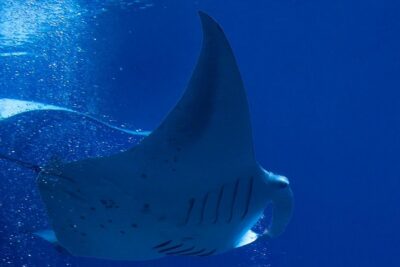
Glow of the Deep: Night Snorkeling with Manta Rays
Read our review →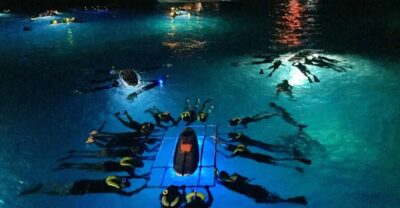
Kailua Kona: Night Manta Ray Adventure on the Big Island
Read our review →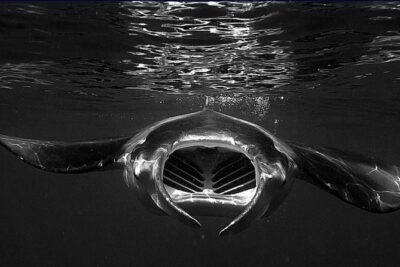
Manta Magic: Small-Group Manta Ray Night Snorkel in Kailua Kona
Read our review →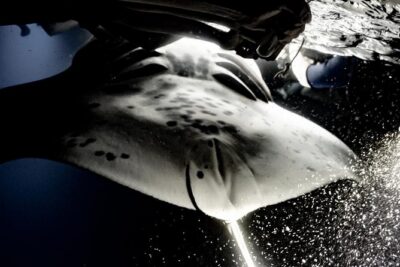
Browse the lists this tour appears in