
Reviewed · MANTA RAY NIGHT SNORKELS
Manta Ray Snorkeling by Night in Kailua-Kona, Hawaii
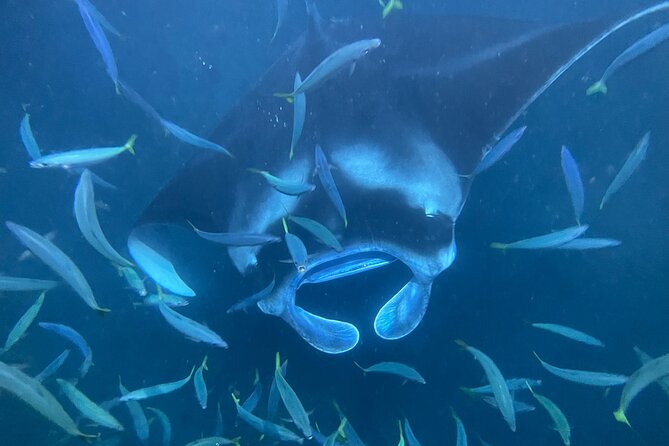
The real attraction here is not simply seeing manta rays. It is floating at night while these huge, gentle animals sweep beneath you, often close enough to see their markings and graceful turns. The small group of 12 or fewer keeps the water scene calmer, and the short canoe ride gives the outing a distinctly Hawaiian feel.
I like the efficient setup: the manta site is only a few minutes away, and the crew supplies your snorkel gear, prescription masks, flotation aid, and wetsuit top. I also like the Manta Ray Guarantee, which gives you another chance if the wild animals do not appear. The catch is that no company can promise a sighting, and there are no refunds simply because the rays take the night off.
Key points to know before booking
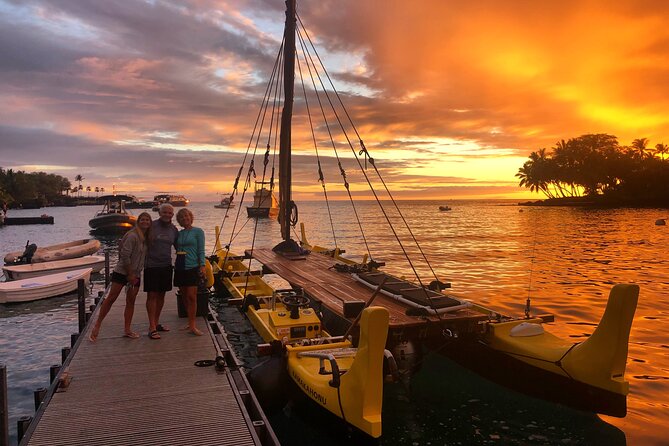
- Traditional-style canoe ride: You travel to the viewing site in a historically accurate Hawaiian double-hulled canoe rather than a large tour boat.
- Small group format: The canoe carries no more than 12 participants, with several crew members available to help in the water.
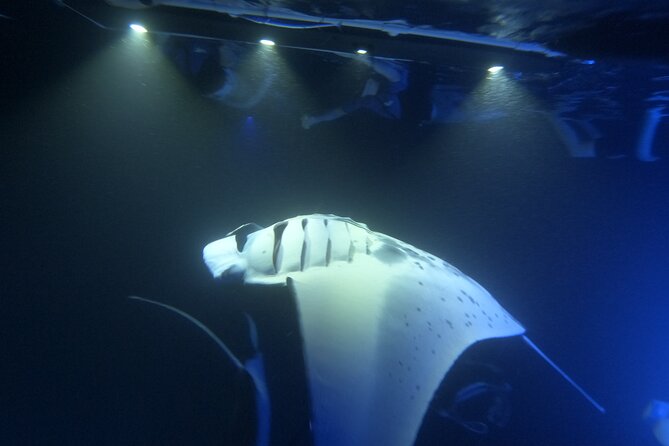
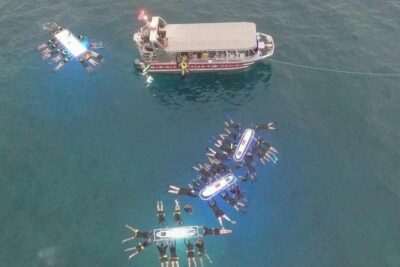
- Nighttime feeding show: Lightboards draw plankton toward the surface, which can bring manta rays directly below the group.
- About 45 minutes in the water: The full outing is roughly one hour to 75 minutes, with the actual snorkeling portion often lasting 45 minutes or more.
- Wildlife is never guaranteed: The rays are not fed or trained, but a missed sighting comes with another opportunity, subject to available seats.
- Bring your own towel: Towels, snacks, drinks, transportation, motion sickness medicine, and crew gratuity are not included.
Why Kona is famous for nighttime manta snorkeling
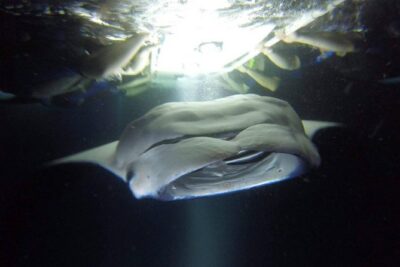
Along the Kona Coast, manta rays gather after dark to feed on plankton. Tour operators place bright lights in the water, and the tiny food organisms collect around the glow. The mantas then glide through the illuminated water with their mouths open, filtering food as they pass.
This is a wild-animal encounter, not a trained performance. The rays may circle, roll, skim beneath the float, or disappear for a while. That uncertainty is part of the appeal, but it also matters when you decide how much to pay and how to plan your evening.
Eka Canoe Adventures offers a more intimate version of the standard Kona outing. The canoe carries up to 12 people, rather than loading a much larger group onto a broad excursion boat. That does not guarantee a better ray show, but it gives you more room to hear instructions, receive help, and watch without as many elbows around the lightboard.
More Snorkeling Tours in Big Island
- Big Island Manta Ray Night Snorkel
★ 5.0 · 5,656 reviews - Big Island: Kona Manta Ray Snorkel Tour in Keauhou Harbor
★ 4.5 · 2,465 reviews - Big Island: Captain Cook Snorkel On A Power Catamaran With Lunch
★ 5.0 · 2,232 reviews
Meeting the canoe in Kailua-Kona
You meet the crew at 78-7130 Kaleiopapa Street in Kailua-Kona. The activity ends at the same location, and the meeting point is near public transportation. You should pay close attention to the day-of text message, since it includes parking directions and pictures to help you find the check-in area.
The evening begins with your small group and guides. The crew fits you with snorkeling equipment and a wetsuit top, using your height and weight to select the proper size. Normal and prescription snorkel masks are available, which is useful if you need corrective lenses.
You need basic swimming ability and must be able to climb a short ladder without help. The minimum age is five. The outing is not recommended after recent surgery or for people with mobility or physical restrictions, so think honestly about how comfortable you are entering and leaving the water at night.
A short ride on a Hawaiian-style canoe
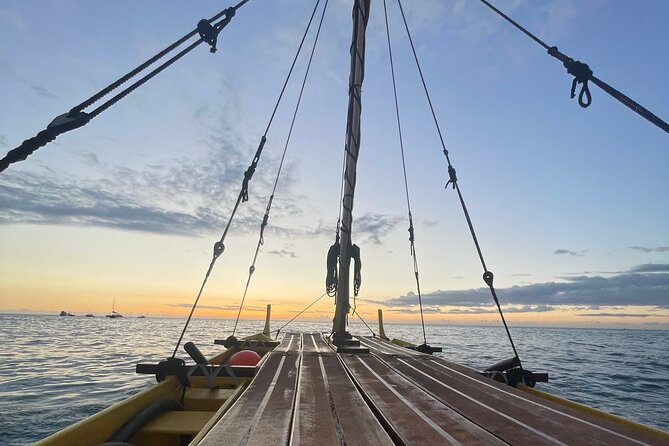
The canoe ride to the manta site takes only a few minutes, according to the information provided by the operator and past participants. That short crossing is a practical advantage. You spend less time traveling and more time with the animals.
It is also part of the character of the outing. The historically accurate double-hulled canoe feels more connected to Hawaii than a large motor vessel. Several people specifically valued the canoe itself, not just the snorkeling, and preferred its small scale to a crowded boat.
You may see a sunset on an earlier departure, such as the 6 p.m. trip, before the sky darkens. Later outings focus more directly on the nighttime setting. The exact light and sea conditions vary, so choose your departure time based on your preference for sunset views or a darker sky.
The canoe is not a luxury vessel. You are choosing it for atmosphere, a short ride, and a small group, not for a spacious cabin or extensive onboard comforts. There is no coffee, tea, snack service, or towel supply, so pack accordingly.
Getting into the water after dark
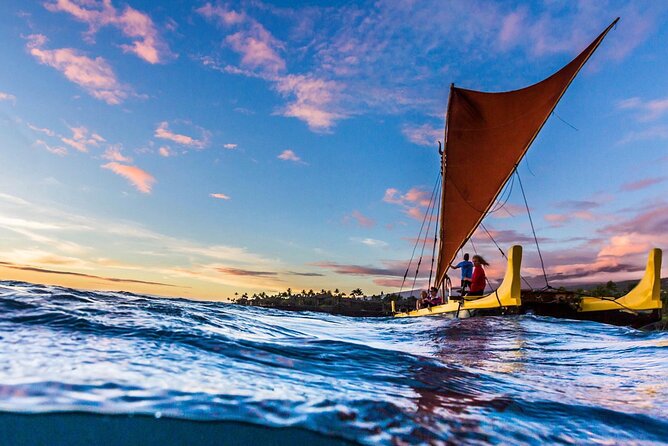
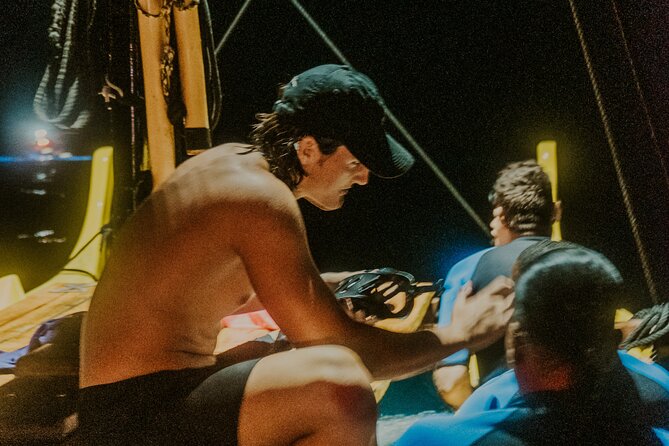
At the manta site, the crew explains how to enter the water and use the flotation equipment. You move from the canoe to the lighted board or float, then hold on while looking below. The board helps gather plankton and gives you something stable to grasp, but it can become tiring if you hold it for a long time.
The crew brings the board close to the canoe, and past participants describe the transfer as only a few feet. Still, you need enough strength and coordination to enter the water safely and climb back up the ladder later. If you are nervous, tell the guides before you enter. Crew members have helped hesitant swimmers and people dealing with motion sickness, and safety checks continue throughout the time in the water.
The wetsuit top adds warmth, but the ocean can still feel chilly. Some people adjust quickly once the manta activity begins. Others may notice the cold more during quiet periods, especially if the rays take several minutes to return.
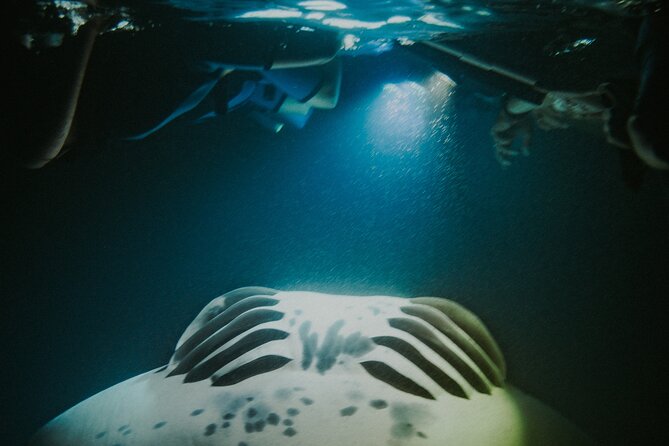
Your practical job is simple: stay with the float, keep your body near the surface, and follow the crew’s instructions. Avoid touching or chasing the manta rays. They are wild animals, and allowing them room protects both you and them.
More manta ray night swims off Kona:
- KONA Manta Ray Night Snorkel – FREE re-ride if no Sightings
★ 5.0 · 2,212 reviews - Manta Ray Night Snorkel at Kona, Big Island
★ 5.0 · 1,758 reviews - Glow of the Deep: Night Snorkeling with Manta Rays
★ 4.5 · 1,254 reviews - Kailua Kona: Night Manta Ray Adventure on the Big Island
★ 4.8 · 1,199 reviews
Watching the mantas feed beneath the lights
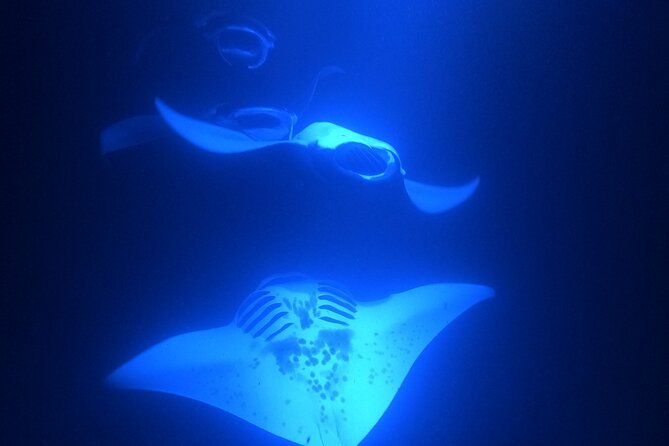
This is the part that can feel almost unreal. The rays pass beneath the float, their wide bodies folding and turning as they feed. Some may come within inches of you, while others circle farther away. The sight changes from minute to minute.
The purpose-built lightboards are central to the setup. The operator uses powerful blue-toned lights to attract plankton. One person criticized the boards as small, but the supplier explains that their blue color can look less bright than white lights while still working effectively. In practical terms, you should expect a compact board, not a large illuminated platform.
The water may be calm or choppy. Rain and rough conditions can reduce comfort and visibility, even when the outing still operates. Good weather is required, and the company may cancel for poor conditions, offering another date or a full refund.
You might see several rays at once. Some outings have included three rays early on and six later, while others have featured many more. No particular number should be treated as a promise. The most honest way to view this is that the crew creates a strong chance to see manta rays, but nature controls the final result.
The guides also add context while you wait. One water guide provided narration about the mantas during a quiet stretch, which can make the waiting time more interesting and help you understand what you are seeing. Even so, you should be prepared for some floating and watching rather than nonstop action.
The crew and the small-group advantage
The staff receive the strongest praise for being calm, friendly, and attentive to safety. Guides named in individual accounts include Ni’Koa, Kalala, Kama, Chris, Lance, Chaden, Beck, Tayler, and Rob. Crew assignments can change, so you should not book expecting a particular person, but the repeated emphasis on encouragement and clear instructions is useful.
A small group makes a real difference during the water portion. With no more than 12 people, the guide can watch the group more closely and help someone who is nervous, cold, or feeling motion sick. You also have a better chance of reaching the front edge of the lightboard instead of peering over a crowd.
There is one fair criticism to keep in mind. One participant felt the staff were not attentive enough and spent too much time talking among themselves. That appears to be an exception within an otherwise very positive record, but it is a reminder to speak up if you need help. The crew cannot solve a problem they do not know about.
The operator states that its captains are US Coast Guard certified and that the company uses trained guides, safety procedures, insurance, and maintained equipment. Those details matter on a nighttime ocean outing, where a relaxed mood should never replace careful supervision.
What the $127.10 price really buys
At $127.10 per person, this is not the cheapest activity in Kona. You are paying for a short outing, usually about one hour to 75 minutes, rather than a half-day cruise. Actual time in the water is typically 45 minutes or more.
The value depends on what matters to you. If you want a larger boat, more onboard space, or a longer cruise, another operator may suit you better. If you want fewer people, a short ride to the site, a traditional-style canoe, and a compact evening plan, the price is easier to justify.
The cost also covers the wetsuit top, flotation device, standard or prescription snorkel equipment, guides, canoe ride, and the chance to return if no manta appears. It does not cover a towel, food, drinks, transportation, medication for motion sickness, or gratuity.
The short duration is a benefit for families and anyone fitting several activities into one day. It is also the main reason the price can feel high. Once the rays begin circling, the time may seem to pass quickly. Check your booking details carefully so you know the scheduled duration, since the broader description is approximately one hour while the operator describes some trips as about one hour and 15 minutes.
Who will enjoy this most
This is a strong choice for adults, families with children at least five years old, and first-time snorkelers who can swim and manage the ladder. You do not need to be an expert swimmer, but you should be comfortable in open ocean water after dark.
It also suits people who dislike large-group excursions. The canoe carries 12 or fewer participants, and the water crew can offer more direct support than is practical on a crowded boat.
You may want to choose a different activity if you cannot swim, cannot climb a short ladder without help, or have recent surgery or significant physical limitations. It is also a poor fit if you need a guaranteed wildlife sighting or would be upset by paying for a night when the mantas do not appear.
For comfort, bring a dry towel, and consider bringing a change of clothes. If you are prone to motion sickness, arrange your own medication before arrival because it is not provided. Opt into the operator’s text updates so you receive the parking and check-in information on the day of the outing.
Cancellation and the manta guarantee
You can cancel at least 24 hours before the start time for a full refund. Changes or cancellations made within 24 hours are not accepted for a refund, and the cutoff follows local time.
If weather forces a cancellation, you receive the choice of another date or a full refund. The same applies if the minimum number of participants is not reached.
A missed manta sighting works differently. The operator does not issue a refund because the rays are wild and operating costs remain. Instead, the Manta Ray Guarantee gives you another opportunity on a different evening or during a future visit to Kona, subject to available seats.
That policy is reasonable for a wildlife outing, but it has an important limitation: the second chance may not help if you are leaving Hawaii soon. If seeing manta rays is the main reason you are booking, schedule this early in your Kona stay rather than on your final night.
Should you book Eka Canoe Adventures?
I would book this outing if you want the most personal version of Kona’s nighttime manta encounter and value the canoe ride as part of the evening. The small group, included equipment, attentive water support, and short transfer to the site make the format practical, especially for families and nervous first-time snorkelers.
I would pause if the $127.10 price feels high for about an hour of activity, if you need a sighting guarantee in the form of a refund, or if you are not comfortable swimming and using a ladder. For everyone else, this offers a memorable chance to watch wild manta rays on their own terms, with a real backup plan if the ocean is quiet.
FAQ
How long does the manta ray snorkeling tour last?
The activity lasts approximately one hour to 75 minutes. Actual time in the water typically lasts 45 minutes or more.
Where does the tour meet?
You meet at 78-7130 Kaleiopapa Street in Kailua-Kona, Hawaii. The activity ends back at the same meeting point.
How many people can join the canoe?
The tour has a maximum of 12 participants.
What equipment is included?
The tour provides a wetsuit top, flotation devices, and snorkel equipment. Normal and prescription snorkel masks are available.
Do I need to be able to swim?
Yes. Basic swimming ability is required, and you must also be able to climb a short ladder without assistance.
What is the minimum age?
The minimum age allowed onboard is five years old.
Are manta ray sightings guaranteed?
No. The manta rays are completely wild and are not fed or trained. If you do not see one, the Manta Ray Guarantee provides another opportunity on a different evening or during a future visit, subject to available seats.
Are towels, snacks, and drinks included?
No. Towels, snacks, coffee, tea, and private transportation are not included. You should bring your own towel.
What happens if the weather is poor?
If the operator cancels because of poor weather, you can choose another date or receive a full refund.
More Evening Experiences in Big Island
- Big Island GOAT Experience: Mauna Kea Summit, Sunset & Stars
★ 5.0 · 1,706 reviews - Big Island: Mauna Kea Summit Tour with Free Night Star Photo
★ 5.0 · 1,449 reviews - Manta Magic: Small-Group Manta Ray Night Snorkel in Kailua Kona
★ 5.0 · 1,141 reviews - Sunset and Manta Ray Snorkel Adventure
★ 5.0 · 843 reviews
Just added around Big Island
- Kailua-Kona: Pacific Humpback Whale Watch Excursion★ 5.0 · 4 reviews
- Kalaoa: Big Island and Kona Midday Whale Watching Tour★ 4.3 · 29 reviews
- Kailua-Kona: Night Manta Snorkel or Dive★ 4.6 · 7 reviews
- Kailua Kona: Humpback Whale Watching Adventure Cruise★ 4.5 · 33 reviews
- Kona Hi, Sunset Manta Ray Tour 10 passengers maximum★ 5.0 · 14 reviews
- Kona Tradewind Catamaran Sail with Cocktails★ 4.7 · 5 reviews
- Big Island: Kona Half-Day Boat Tour with Snorkeling & Lunch★ 5.0 · 34 reviews
- Kailua-Kona: Haunted History Ghost Walking Tour★ 4.1 · 8 reviews
Manta Ray Night Snorkels, compared.
Kona Manta Ray Snorkel Tour in Keauhou Harbor
Read our review →
KONA Manta Ray Night Snorkel – FREE re-ride if no Sightings
Read our review →
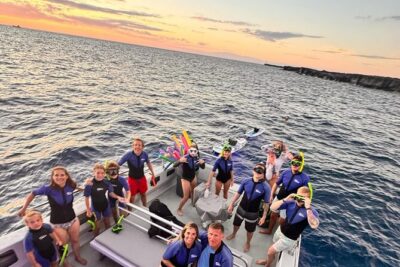
Glow of the Deep: Night Snorkeling with Manta Rays
Read our review →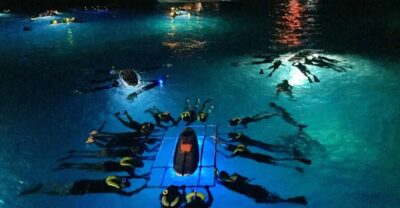
Kailua Kona: Night Manta Ray Adventure on the Big Island
Read our review →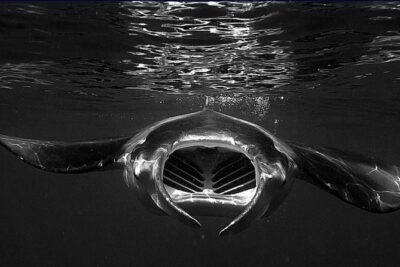
Manta Magic: Small-Group Manta Ray Night Snorkel in Kailua Kona
Read our review →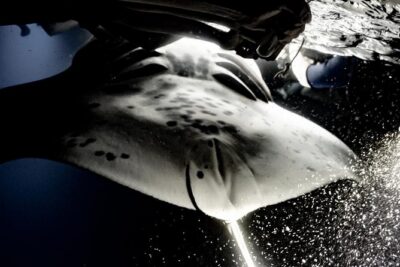
Browse the lists this tour appears in