
Reviewed · VOLCANO TOURS
Big Island, Hawaii: Volcanoes National Park Safari
The most exciting part of this 55-minute helicopter flight is the sudden shift from Hilo’s green farmland to the stark craters and lava fields of Hawaiʻi Volcanoes National Park. From the air, old flows, fresh-looking vents, forest, waterfalls, and orchid farms fit into one fast-moving view.
I like the small group size, with no more than six people, and I like that pilots such as Andrew, Drew, and Jim do more than fly. They explain the island’s geology, culture, plants, and past eruptions in plain language. The main catch is weather: clouds or smoke can block the caldera, and the route may change or the flight may be canceled.
Key points to know before booking
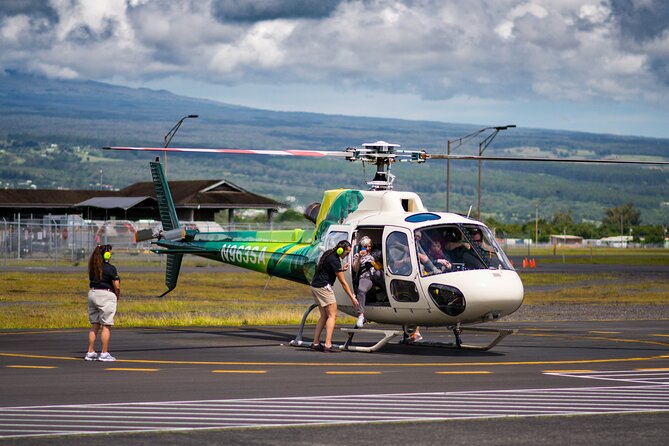
- The flight leaves from Hilo Airport: The meeting point is 2220 Kekuanaoa Street, not the Kona side of the island.
- The volcano is never guaranteed: Low cloud, smoke, and changing volcanic activity can limit the view.
- The group is small: A maximum of six people makes it easier to hear the pilot and ask questions.
- The pilot is your guide: Andrew, Drew, and Jim are frequently praised for smooth flying and clear commentary.
- Weight rules are strict: Each passenger may weigh up to 249 pounds, with extra-seat rules above that limit.
- The price reflects a short but specialized outing: At $379 per person, this is a premium way to see remote parts of the island in less than an hour.
From Hilo Airport to the volcanic heart of the island
You meet at Safari Helicopters’ Hilo base, where the staff handles the safety briefing and prepares you for boarding. Show up 40 minutes before departure. That extra time matters because the crew must confirm passenger weights, explain safety procedures, and arrange seating.
The flight lasts about 55 minutes and returns to the same meeting point. There is no hotel pickup, so you need your own transport to Hilo Airport. The location is near public transportation, but you should still allow time to arrive early, especially if you are coming from another part of the island.
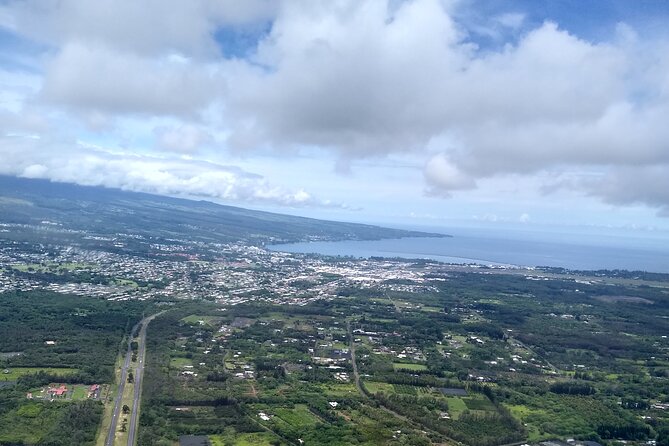
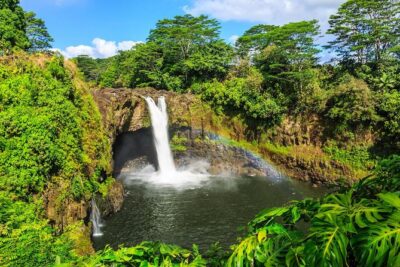
Once airborne, the helicopter heads toward Hawaiʻi Volcanoes National Park. The first part of the route gives you a useful introduction to the Big Island’s wet, fertile side. You may see orchid farms, macadamia farms, thick native forest, and waterfalls before the view changes to broad fields of dark volcanic rock.
That contrast is one of the tour’s real strengths. You do not see only a volcano. You see how quickly the island changes from cultivated land to forest, then to craters and lava flows.
More volcano and lava-country days:
- Big Island in a Day: Volcanoes Waterfalls Sightseeing and History
★ 5.0 · 6,569 reviews - Hilo Shore Excursion: Volcanoes National Park & Black Sand Beach
★ 4.5 · 2,338 reviews - Small Group Big Island Twilight Volcano and Stargazing Tour
★ 5.0 · 1,619 reviews
What you see over Volcanoes National Park
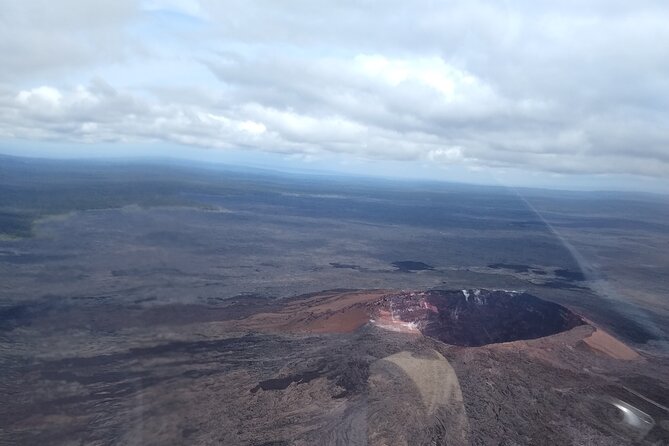
The central focus is Kīlauea and the volcanic country within the national park. From above, you can see old craters, lava fields, volcanic vents, and sections of the caldera. When conditions are right, the pilot may show you active lava or glowing activity.
The word may matters here. Volcanic activity changes by the hour, and the viewing conditions change even faster. A clear day can provide striking views of a cone, lava fields, or gas rising from vents. On another day, low cloud and smoke may make it unsafe or impossible to fly over the caldera.
The crew has sometimes offered a different route when the volcano is obscured. That can mean seeing coastlines, waterfalls, forests, former eruption areas, or remote valleys instead. This is useful if your main goal is simply to see the Big Island from the air, but it is less satisfying if you booked specifically for an active eruption.
I would not treat this as a guaranteed lava-viewing flight. Think of it as an aerial tour of the volcanic part of the island, with active lava as a possible bonus.
The pilot usually provides a running explanation of what lies below. Andrew and Drew are praised for discussing geology, eruptive activity, Hawaiian history, and the island’s plants and animals. Jim is also noted for circling key sights so people on both sides of the helicopter have a chance to see them.
Why the pilot matters on a short flight
A 55-minute flight passes quickly. Without narration, you could spend much of the time trying to identify craters and lava flows through the glass. A good pilot turns the view into a story.
The strongest part of Safari Helicopters’ operation is the pilot commentary. Andrew is repeatedly described as calm, informative, and attentive to the whole cabin. Drew is praised for explaining what the group was seeing and answering questions. Jim receives similar credit for his flying, island knowledge, and care with the route.
That does not mean every seat has the same view. One passenger seated behind the pilot found the position cramped and had difficulty looking out. Another point raised is that not all seats offer equally open visibility. The pilot may make turns or figure-eight patterns to share the sights, but your view still depends on where you sit and how the helicopter is positioned.
If you are especially concerned about photography or clear viewing, ask the staff about seating before boarding. The helicopter cabin is compact, and several people describe the seats as small. The flight is generally smooth, but comfort is not the same as it would be in a larger sightseeing aircraft.
Weather can change the entire experience
Weather is the biggest factor in deciding whether this tour delivers what you hope for. Hilo is known for cloud and rain, and the volcano area can be covered even when conditions seem fine near the airport.
Low cloud may prevent the helicopter from reaching the caldera. Smoke from volcanic activity can mix with cloud and reduce visibility. The pilot also has to stay within safe flying conditions, so the crew cannot promise a close look at an eruption simply because one is taking place that day.
If the volcano route is not possible, Safari Helicopters may offer a different flight path or a new date. Some people have accepted an alternate route and found it worthwhile, particularly when it included waterfalls, coastlines, forests, and remote valleys. Others have declined because seeing the volcano was the only reason for booking.
I think you should decide this point before paying. If you would be happy with a scenic helicopter flight over another part of the island, the weather policy is easier to accept. If you only want a view of Kīlauea’s active area, schedule the tour early in your stay so you have a chance to reschedule.
The operator offers a full refund if poor weather cancels the flight, or you may be offered another date. If you cancel yourself, you need to do so at least 24 hours before departure for a full refund. Changes or cancellations within 24 hours are not refunded.
More national park days around Big Island:
- Big Island: Fat Tire E-Bike Tour through Volcanoes National Park
★ 5.0 · 546 reviews - Small-Group Big Island Tour: Hawaii Volcanoes National Park and Kona Coffee Farm
★ 5.0 · 343 reviews - Volcano National Park Adventure From Kona
★ 5.0 · 339 reviews - Private Tour: Hawaii Volcanoes National Park Eco Tour
★ 5.0 · 276 reviews
A small group, with some firm limits
The maximum group size is six. That is a good balance for a helicopter ride: small enough for clear communication, but not private. The pilot can speak to the whole cabin, and you have a better chance of asking questions than on a large aircraft tour.
Weight rules are firm. The stated passenger limit is 249 pounds. A second seat is required for anyone over 250 pounds, and an additional seat may also be required when two passengers together weigh 420 pounds or more. Give accurate weights when booking. If the information is wrong and creates a safety problem, you may be asked to buy another seat or leave the tour without a refund.
This may feel strict, but helicopter weight limits are a safety issue, not a minor booking detail. If you are near the limit, settle the question with the operator before the day of the flight.
The tour is offered in English. Most people can participate, and the staff has helped older passengers with mobility limitations. Still, the cabin is tight, and you should explain any mobility concern to the ground team in advance.
Is $379 a fair price?
At $379 per person, this is not a casual add-on. A family of four would spend $1,516 before any extra costs, so you should book it for the experience of seeing remote volcanic country from the air, not simply to save time.
The value is strongest when you have clear weather, an interesting route, and a pilot who brings the view to life. In less than an hour, you can see farmland, forest, waterfalls, lava flows, craters, and volcanic vents. Reaching all of those places by road and foot would take far longer, and some areas cannot be viewed from the ground at all.
The value is weaker if clouds block the volcano and you do not want an alternate route. You can visit parts of Hawaiʻi Volcanoes National Park by car and on foot for much less. A helicopter does offer a different angle, but it does not replace time in the park.
I would consider this a special-occasion purchase. It suits a first helicopter ride, a celebration, or a short stay when you want to see a broad section of the island quickly. It is less suited to a strict budget or to anyone who dislikes paying for an experience that depends heavily on weather.
What makes this different from visiting the park by car
A road visit gives you time to walk, read signs, feel the weather, and study the volcanic ground at your own pace. This flight gives you scale. You see how craters connect, how lava flows spread, and how the forest meets the open volcanic areas.
The helicopter also reaches viewpoints that are not available from the park roads. You may see remote sections of the national park, old eruptive areas, and valleys or waterfalls that would otherwise require a long hike or would not be accessible at all.
The tradeoff is time. You get a quick series of views rather than a quiet hour beside a crater. You also have less control over what you see. The pilot chooses the safest route based on cloud, smoke, wind, and aircraft limits.
For many people, the best plan is to do both: visit the park on the ground and use the helicopter flight to understand its size. If you can afford only one, choose the ground visit if active lava is not visible or if your main interest is geology at walking level. Choose the helicopter if aerial views and a broad overview matter more.
Practical advice for the best possible flight
Book early if your dates are fixed. This experience is often reserved well ahead of time, and limited daily capacity can matter. At the same time, do not place it at the very end of a short trip. A weather problem or minimum-number cancellation can leave you without another date.
The operator requires a minimum number of participants for a departure. If that minimum is not met, the company may cancel, offer another date or experience, or provide a full refund. One cancellation occurred during a period of poor weather, while another booking was reportedly moved more than once because the flight needed a larger group. Confirm the flight status before making a long drive from the other side of the island.
Remember these points:
- Meet at 2220 Kekuanaoa Street in Hilo.
- Arrive 40 minutes before departure.
- Bring no assumption that snacks are provided.
- Confirm that you are booking the Hilo departure, not a Kona-side tour.
- Provide accurate passenger weights.
- Expect the flight to end back at the Hilo meeting point.
- Keep your schedule flexible if seeing the volcano is your priority.
The small cabin also means you should think about comfort. If you are tall or sensitive to tight seating, ask about the seating arrangement before the flight. If you want the best possible view, ask how the crew handles seat placement and whether the pilot will turn at major sights.
Who should book the Volcanoes National Park Safari?
I would recommend this flight to you if you want a compact, high-impact introduction to the Big Island’s volcanic regions. It works particularly well for first-time helicopter passengers because the ground crew provides a safety briefing and the pilots have a reputation for calm, clear instruction.
Families can also find it appealing. Children and adults see the same sights, and the flight adds variety to a trip built around beaches, roads, and walking trails. The staff has also worked with older family members who have mobility limitations, though you should discuss your needs ahead of time.
I would hesitate if your entire decision rests on seeing lava in the caldera. Active eruptions, cloud, and smoke are outside the company’s control. You may see only old flows and vents, or you may be offered another route.
Should you book it?
Book it if you value a small-group flight, strong pilot narration, and views of parts of Hawaiʻi Volcanoes National Park that are hard to reach from the ground. Andrew, Drew, and Jim have each been praised for smooth flying and thoughtful explanations, while the ground crew is often described as friendly and well organized.
Skip it if $379 feels too high for a weather-dependent activity, if tight seating worries you, or if you would be disappointed by anything other than an active caldera view.
My practical advice is to book early in your Big Island stay, check the Hilo departure carefully, arrive with accurate weight information, and keep one flexible day available. With clear skies, this can be a memorable way to grasp the island’s volcanic scale. With poor weather, it becomes a choice between an alternate scenic flight, a new date, or a refund.
FAQ
Where does the helicopter tour begin and end?
The tour begins at 2220 Kekuanaoa Street, Hilo, Hawaii 96720. It ends back at the same meeting point.
How long is the Volcanoes National Park flight?
The flight lasts approximately 55 minutes. You should arrive 40 minutes before the scheduled departure for the briefing and boarding process.
Is hotel pickup included?
No. Hotel pickup and drop-off are not included. You need to reach the Hilo meeting point yourself.
What happens if bad weather prevents the volcano route?
If poor weather cancels the experience, you will be offered a different date or a full refund. During the flight, the crew may also offer an alternate route if conditions prevent safe viewing of the volcano area.
Are there passenger weight limits?
Yes. The stated limit is 249 pounds per passenger. An additional seat is required for passengers over 250 pounds, and may also be required when the combined weight of two people is 420 pounds or more. Accurate weights are required.
Can I cancel for a full refund?
Yes, if you cancel at least 24 hours before the experience start time. Cancellations or changes made less than 24 hours before departure are not refunded.
Just added around Big Island
- Kailua-Kona: Pacific Humpback Whale Watch Excursion★ 5.0 · 4 reviews
- Kalaoa: Big Island and Kona Midday Whale Watching Tour★ 4.3 · 29 reviews
- Kailua Kona: Humpback Whale Watching Adventure Cruise★ 4.5 · 33 reviews
- Kona Hi, Sunset Manta Ray Tour 10 passengers maximum★ 5.0 · 14 reviews
- Kailua-Kona: Night Manta Snorkel or Dive★ 4.6 · 7 reviews
- Kona Tradewind Catamaran Sail with Cocktails★ 4.7 · 5 reviews
- Big Island: Kona Half-Day Boat Tour with Snorkeling & Lunch★ 5.0 · 34 reviews
- Kailua-Kona: Haunted History Ghost Walking Tour★ 4.1 · 8 reviews
Volcano Tours, compared.
Big Island in a Day: Volcanoes Waterfalls Sightseeing and History
Read our review →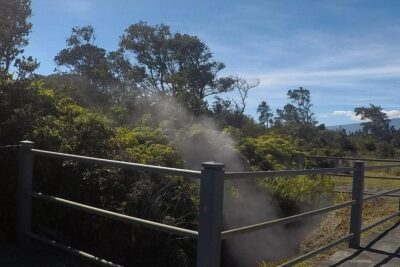
Hilo Shore Excursion: Volcanoes National Park & Black Sand Beach
Read our review →
Small Group Big Island Twilight Volcano and Stargazing Tour
Read our review →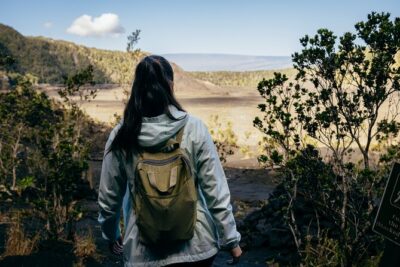
Big Island Highlights: Coffee, Volcano, Black Sands & Waterfall
Read our review →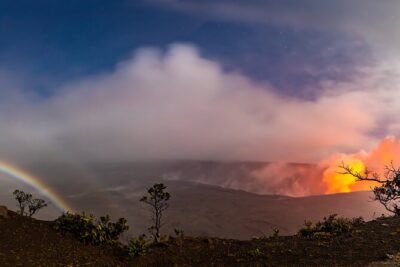
Deluxe Volcano Experience with Restaurant Dinner
Read our review →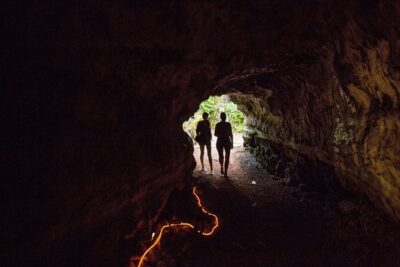
Captain Cook Snorkel Tour with Sea Caves and Lava Tubes
Read our review →
Fat Tire E-Bike Tour through Volcanoes National Park
Read our review →Browse the lists this tour appears in