
Reviewed · FARMS
Big Island: Abalone Farm Guided Tour with Tasting
The most unusual part of this one-hour Big Island tour is the chance to see abalone at every stage, from small shellfish to mature animals raised for the table. At the farm, you learn how breeding, seawater, feed, and patient growth all shape the final bite.
I like the hands-on quality of the visit, especially the chance to touch an abalone while your guide explains how it grows. I also like the tasting: you get grilled abalone in its shell plus a sample of canned abalone, so you can compare two very different versions.
The main drawback is its short length. At $31 per person, the price is fair for a focused food-and-farm visit, but you should not expect a long agricultural tour or a full meal. The farm is also not suitable for wheelchair users.
Key points at a glance
- The largest abalone farm in the United States: See a working operation rather than a staged food demonstration.
- Growth can take up to 10 years: Your guide explains why abalone production rewards patience.
- A real hands-on lesson: You can hold the abalone if you wish and see different growth stages.
- Dulse seaweed feeds the shellfish: Visit tanks where this organic seaweed is grown as food for the abalone.
- Two tasting styles: Try abalone grilled in its shell and sample the canned version.
- A practical one-hour stop: The farm sits at 73-357 Makako Bay Drive, and the tour ends where it begins.
Why this small farm tour is worth your time
Big Island has no shortage of beaches, volcano views, and food stops. This tour gives you something different: a close look at a sea creature most people know mainly from a menu.
The farm is described as the largest for abalone in the United States. That scale matters because you are not simply looking at a few tanks in a shop. You are learning how a complete operation works, from breeding and early growth to feeding and preparation for the table.
I like the way the visit connects science with eating. You first see how the abalone live and grow, then taste the finished product. That order helps you understand why the shellfish costs more than an everyday seafood item and why the farm must manage its water, food, and breeding with care.
The visit also gives you a look at deep-water research connected with the farm. Your guide begins with a short explanation of that work, then turns to the farm itself and the types of abalone raised there. The talk is not only about food production. It also covers the life cycle and the long time needed to bring abalone to maturity.
This is a good choice for curious eaters, families with older children, and anyone interested in aquaculture. It also works well as a short stop if you want an activity that does not take half a day.
More farm visits and tastings in Kailua Kona:
- Maui Pineapple Farm Tour in Haliimaile
★ 5.0 · 2,855 reviews - Lahaina: Maui Ku’ia Estate Guided Cacao Farm Tour and Tasting
★ 5.0 · 1,103 reviews - Maui: Road to Hana Adventure with Farm to Table Lunch
★ 5.0 · 877 reviews
Checking in at 73-357 Makako Bay Drive
The meeting point is the farm at 73-357 Makako Bay Drive. After entering, check in at the farm office, a blue building located just after the entrance.
That detail is useful because the property includes working facilities, and the office may not be the first structure you notice. Give yourself enough time to find the blue building before the scheduled start.
The visit lasts about one hour. Starting times vary, so you need to check availability when booking. The tour is conducted in English with a live guide.
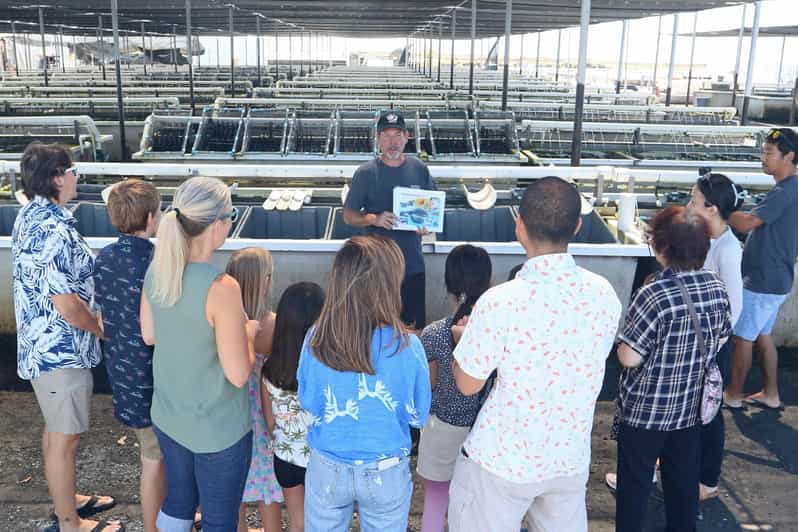
Since this is a working farm, the setting is more practical than polished. That is part of its appeal. You are seeing tanks, growing areas, and production spaces connected to the actual work of raising abalone. If you prefer a slick museum display, this may feel basic. If you want to see how seafood reaches the plate, the setting makes sense.
The opening talk on deep-water research and abalone
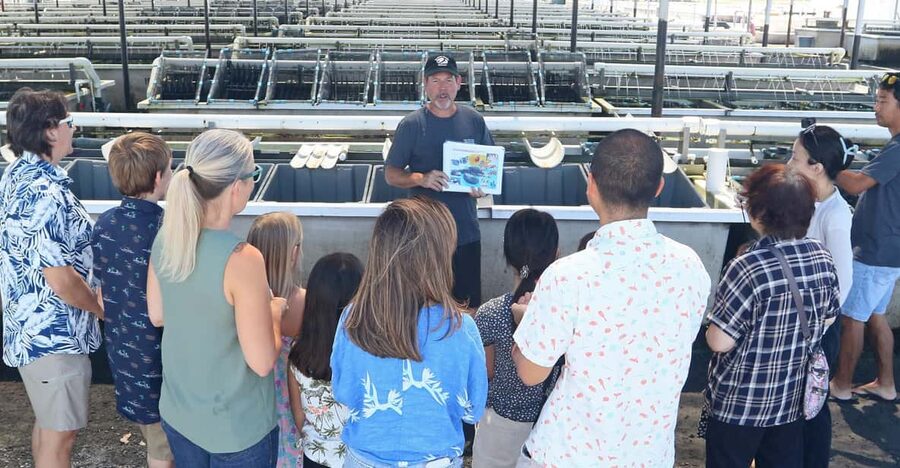
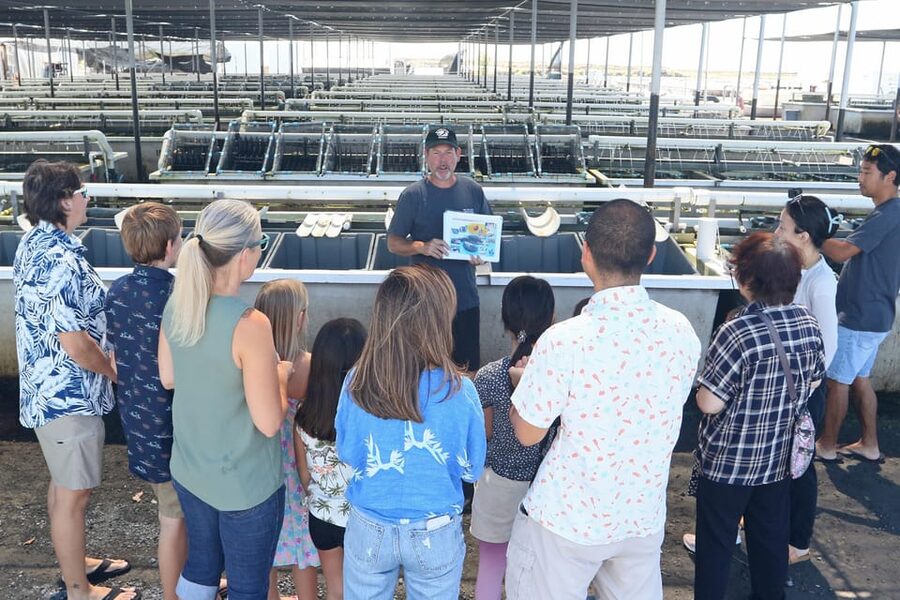
The tour begins with a brief history of the farm’s deep-water research. This gives you context before you walk through the production areas.
Your guide explains the farm’s purpose and introduces the types of abalone used there. This section helps you understand that abalone farming is not simply a matter of placing shellfish in a tank and waiting. The farm must manage breeding, food, water, and growth over a long period.
If Kale is leading your visit, you can expect plenty of useful facts delivered in a friendly way. His discussion includes details about abalone that are easy to miss if you only encounter them on a restaurant plate.
I appreciate this opening because it gives the tasting some meaning. You are not just handed a cooked shellfish at the end. You first learn why the animal takes time to raise and what makes its production different from faster-growing seafood.
The exact amount of time spent on each part may depend on the questions in your group. You should feel free to ask about the farm, the breeding process, or the different kinds of abalone used. The supplied details do not promise a set group size or a fixed talk length, so the pace may vary.
Seeing abalone grow over months and years
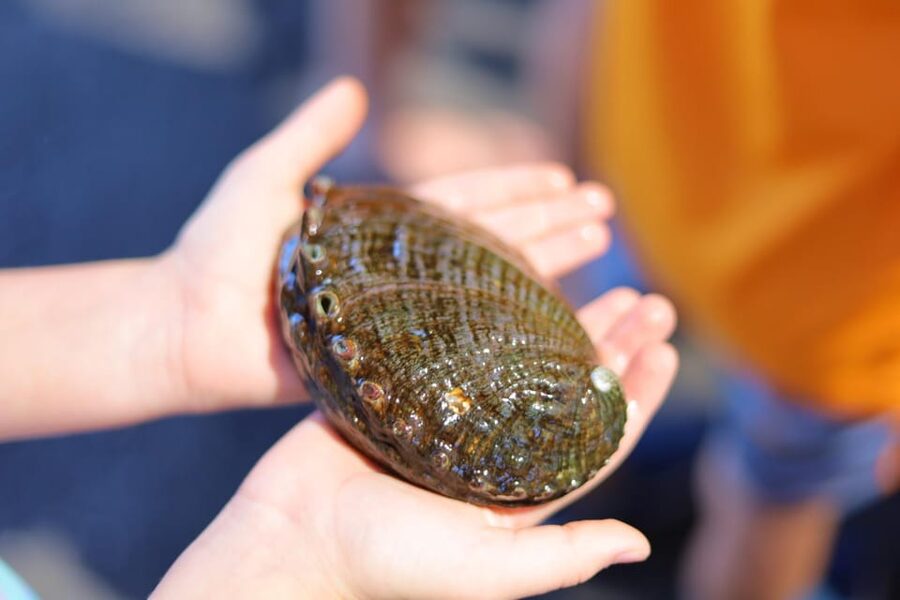
The heart of the visit is the look at different stages of abalone growth. Some of the farm’s abalone may take up to 10 years to reach full development. That time span is one of the most interesting facts on the tour.
You get to see how the animals change as they grow, and your guide explains the process in terms that connect the tiny early stages with the mature shellfish used for eating. The visit shows why abalone production needs planning and steady care.
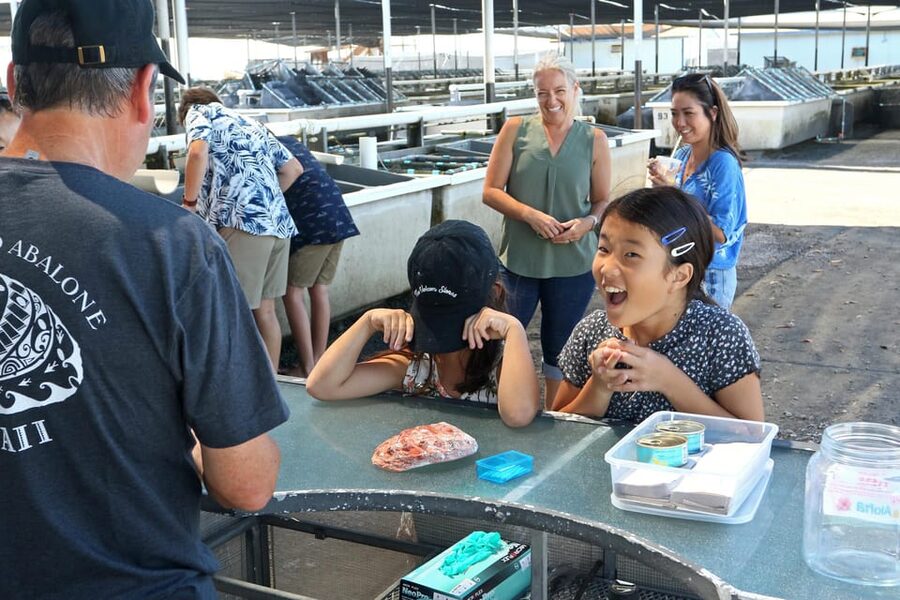
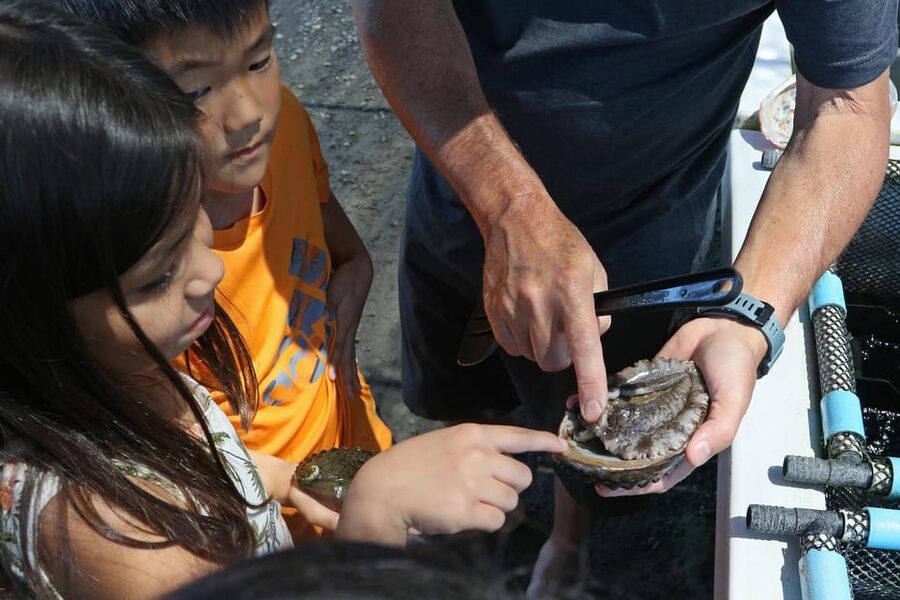
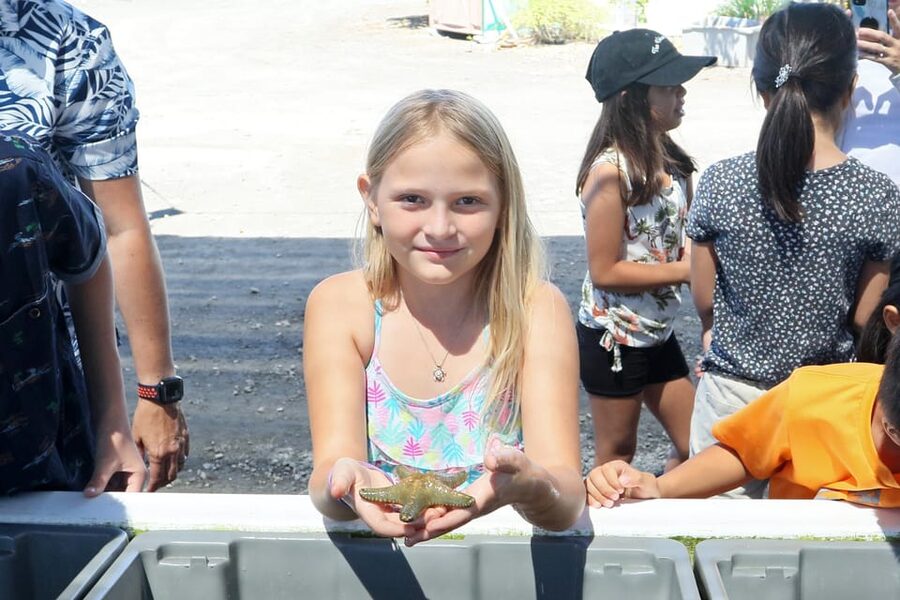
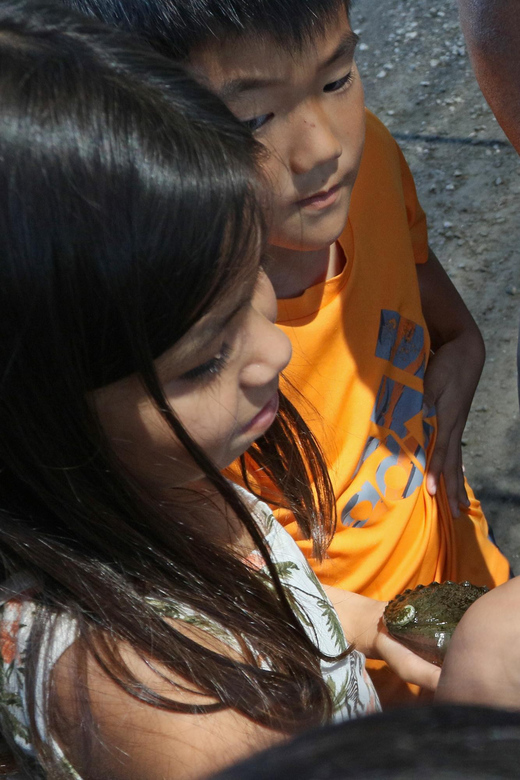
You can hold some of the abalone if you want. This is optional, which is helpful if you are interested but not eager to handle a live sea creature. I would take the opportunity if you are comfortable. Feeling the animal in your hand makes the lesson more memorable than simply looking into a tank.
The hands-on part is especially useful for children, though the farm does not give an age recommendation in the available information. I would treat it as a good family activity for children who can listen to instructions and handle animals gently.
The growth display also adds value for adults. It shows why a farm must keep track of age and size over a very long production cycle. You leave with a better idea of the time behind the food on your plate.
A few more Kailua Kona mornings worth comparing
- Oahu Catamaran Waikiki Sunset on 40 Foot Catamaran: Food and BYOB
★ 5.0 · 836 reviews - Princeville Botanical Gardens Tour and Chocolate Tasting Ticket
★ 5.0 · 774 reviews - Kauai Chocolate Farm Tasting Tour
★ 5.0 · 666 reviews - Hawaii Off The Beaten Path Food Tour
★ 5.0 · 665 reviews
The organic dulse tanks
Another unusual stop is the area where organic dulse seaweed grows in tanks. Dulse is fed to the abalone, but it is also described as a nutritious vegetable for people.
This part expands the tour beyond shellfish. You see how the farm uses seaweed as part of its feeding system and learn that the food grown for the abalone has value on its own. The idea is simple, but it makes the operation feel connected rather than divided into unrelated steps.
You may be able to look at the dulse as it grows and hear how it fits into the farm’s approach. The facility is described as 100 percent organic and sustainable, so this is a good place to ask how the farm uses seaweed and how that supports its production.
I would keep your expectations measured. The information provided does not promise a detailed environmental audit or a long technical discussion of sustainability. Instead, expect a clear introduction to the farm’s organic approach and the role of dulse in feeding the abalone.
You also get to taste the seaweed. This is a nice extra because it gives you a second food experience beyond the shellfish. The dulse may be unfamiliar to many people, and tasting it helps connect the growing tanks with the local food story.
The abalone tasting: grilled and canned
The tour ends with the part many people will anticipate most: tasting the abalone.
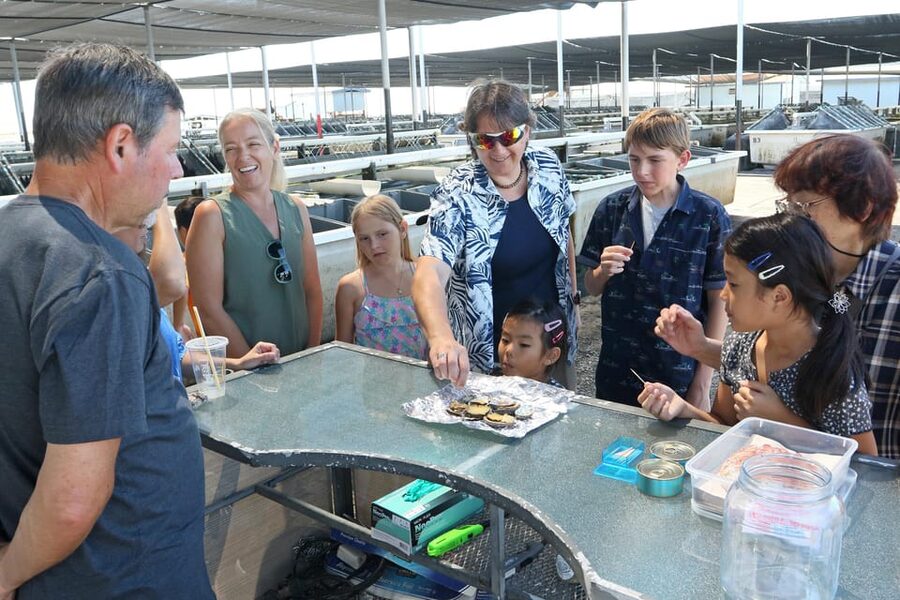
You receive abalone grilled in its shell, along with canned abalone. Having both versions is useful. The grilled sample gives you a sense of the shellfish as a fresh cooked product, while the canned sample shows how it is preserved and sold in another form.
Garlic butter is a good choice if it is available for your tasting. It was singled out as a particularly enjoyable way to eat the abalone, and the rich sauce makes sense with a firm, delicate shellfish.
The portion is a tasting, not a full lunch. That distinction matters when judging the $31 price. You are paying for the guided farm visit, the explanation of the production process, the hands-on opportunity, and the food sample. If you are hungry, plan another meal afterward.
The canned sample may be the more surprising part. Some visitors expect only a freshly grilled bite, so the preserved version gives you a useful comparison. You can decide which texture and preparation you prefer instead of forming an opinion from one cooking style.
The tasting also makes the farm shop more relevant. You receive a 10 percent shopping discount, so you can buy abalone or related products after the tour if something catches your interest. The information does not specify the complete range of shop items, so think of the discount as a modest bonus rather than the main reason to book.
What $31 buys you
At $31 per person, this experience sits in the affordable range for a guided food activity in Hawaii. The value depends on what you want from the hour.
I think the price works best for someone who likes learning how food is produced. You receive a guide, a farm tour, an explanation of breeding and growth, a look at dulse tanks, a hands-on option, and two abalone samples. That is a solid set of elements for a one-hour stop.
The value is weaker if you are looking for a large meal, a long sightseeing outing, or a broad cultural tour. The farm is the subject, and the experience stays focused on abalone and seaweed.
The farm’s size also adds weight to the price. You are visiting the largest abalone farm in the United States, rather than seeing a small display with no connection to commercial production. The tour gives you a look at the systems needed to raise a slow-growing seafood product.
Reserve now and pay later is available, which can help if you are still arranging your Big Island schedule. You can cancel up to 24 hours before the activity for a full refund. Keep in mind that starting times must be checked for the date you want.
Who will enjoy this hour most
I would recommend the tour to several kinds of visitors:
- Food-minded visitors: You see how abalone is raised, then taste it in two forms.
- Families with curious children: The animals, growth stages, and optional handling give the visit a hands-on element.
- Aquaculture and sustainability fans: The breeding process, long growth period, organic facility, and dulse feeding system offer plenty to discuss.
- Visitors building a flexible day: One hour is easy to fit between other Big Island activities.
- People seeking something beyond beaches: This is a working farm experience with a clear local food focus.
I would think twice if you dislike seafood, do not want to handle live animals, or need a wheelchair-accessible activity. The tour is not suitable for wheelchair users, and the tasting is central to the experience.
The tour is also conducted in English only. If you need another language, this is not the right fit based on the available information.
A few practical tips before you go
Wear something comfortable for walking through a working farm. The information does not provide a dress code or weather guidance, so you should check conditions on the day and dress for an outdoor or semi-outdoor facility.
Arrive at the blue farm office just inside the entrance rather than waiting near another building. The activity ends back at the same meeting point, which makes it simple to continue on to your next stop.
Do not plan this as your only meal. The tasting gives you grilled and canned abalone, but it is not described as a full serving or lunch.
If garlic butter is offered, I would try it with the grilled abalone. I would also make time for the dulse sample. The seaweed is one of the more distinctive parts of the visit, and it gives you a taste of something grown at the farm rather than only something raised there.
Finally, ask questions. The tour covers breeding, growth, feed, and production, but your questions can help you focus on the part that interests you most. Kale, when leading the tour, is especially good for sharing extra facts about abalone.
Should you book the Big Island Abalone Farm tour?
Book it if you want a short, focused, and hands-on look at how a specialty seafood product is raised. The strongest parts are the different growth stages, the chance to hold an abalone, the organic dulse tanks, and the side-by-side tasting of grilled and canned abalone.
At $31, I see it as a fair value for a one-hour educational food stop, not as a meal or a major sightseeing event. It suits curious eaters and families better than visitors who want scenery or a long guided outing.
If you are near 73-357 Makako Bay Drive and have an hour to spare, this is an easy way to add a less expected Big Island experience to your day. Just confirm the start time, remember that the farm is not wheelchair suitable, and keep your expectations centered on abalone production rather than a full restaurant-style meal.
FAQ
How long does the Big Island Abalone Farm tour last?
The tour lasts one hour. Starting times depend on availability for your chosen date.
How much does the tour cost?
The listed price is $31 per person.
Where does the tour start?
The tour starts at 73-357 Makako Bay Drive. Check in at the farm office, which is the blue building just after the entrance.
What food is included?
The tasting includes abalone grilled in its shell and a sample of canned abalone. Dulse seaweed is also part of the farm visit and can be tasted.
Is the tour offered in English?
Yes. The tour has a live English-speaking guide.
Can I cancel for a refund?
Yes. You can cancel up to 24 hours in advance for a full refund.
Is the tour wheelchair accessible?
No. The activity is not suitable for wheelchair users.
Just added around Kailua Kona
- Kailua-Kona: Pacific Humpback Whale Watch Excursion★ 5.0 · 4 reviews
- Kona Hi, Sunset Manta Ray Tour 10 passengers maximum★ 5.0 · 14 reviews
- Kailua-Kona: Night Manta Snorkel or Dive★ 4.6 · 7 reviews
- Kona Tradewind Catamaran Sail with Cocktails★ 4.7 · 5 reviews
- Kailua-Kona: Haunted History Ghost Walking Tour★ 4.1 · 8 reviews
- Kailua Kona: Dolphin, Sea Cave and Captain Cook Snorkel Tour★ 4.5 · 14 reviews
- From Kailua-Kona: All-Inclusive Volcanoes National Park Tour★ 4.7 · 3 reviews
- Fun and Creative Stained Glass Class and Workshop★ 5.0 · 4 reviews
Farms, compared.
Lahaina: Maui Ku’ia Estate Guided Cacao Farm Tour and Tasting
Read our review →
Road to Hana Adventure with Farm to Table Lunch
Read our review →
Award Winning Farm Tour: Coffee, Chocolate and Unique Gifts
Read our review →
Browse the lists this tour appears in