
Reviewed · HIKING & TREKKING
Big Island: Native Bird Watching & Hiking Tour
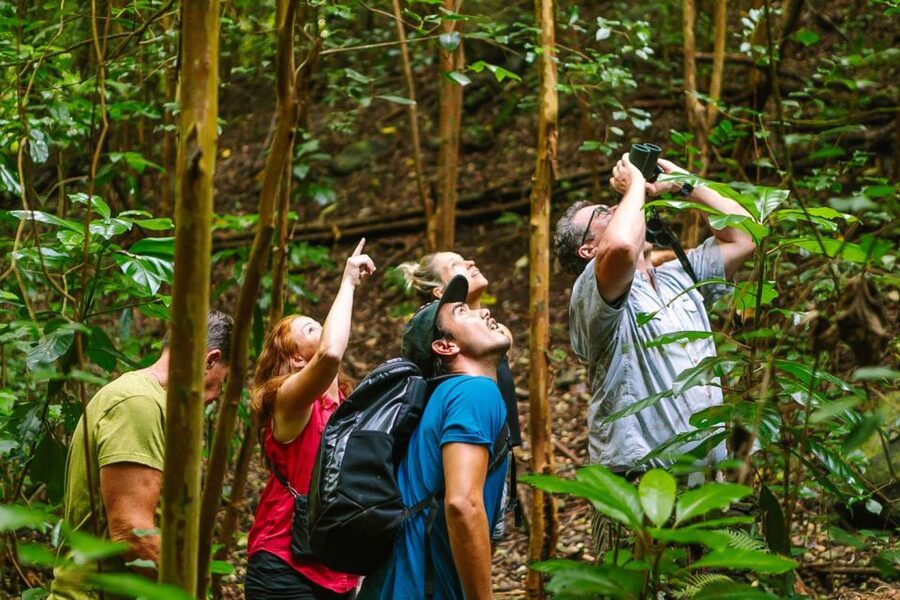
Hakalau Forest is one of the Big Island’s best places to seek birds found nowhere else on earth. I like that this 12-hour trip reaches a restricted-access refuge and pairs a serious birding day with a professional guide who can explain what you are seeing. The small group, capped at nine, also gives you a better chance to ask questions and get help spotting birds.
I especially like the included binoculars, hiking sticks, rain gear, and lunch, since you do not need to pack a full expedition. The main drawback is the rough ride and demanding conditions: you may spend hours in a 4WD van, then hike up to four miles over uneven, rocky, wet, or muddy ground.
Key points to know before booking
- Hakalau Forest requires restricted access, so this is a rare chance to visit a protected refuge established for Hawaiian forest birds.
- Guide Gary brings strong birding skills and storytelling, with instruction on island history and current conservation work.
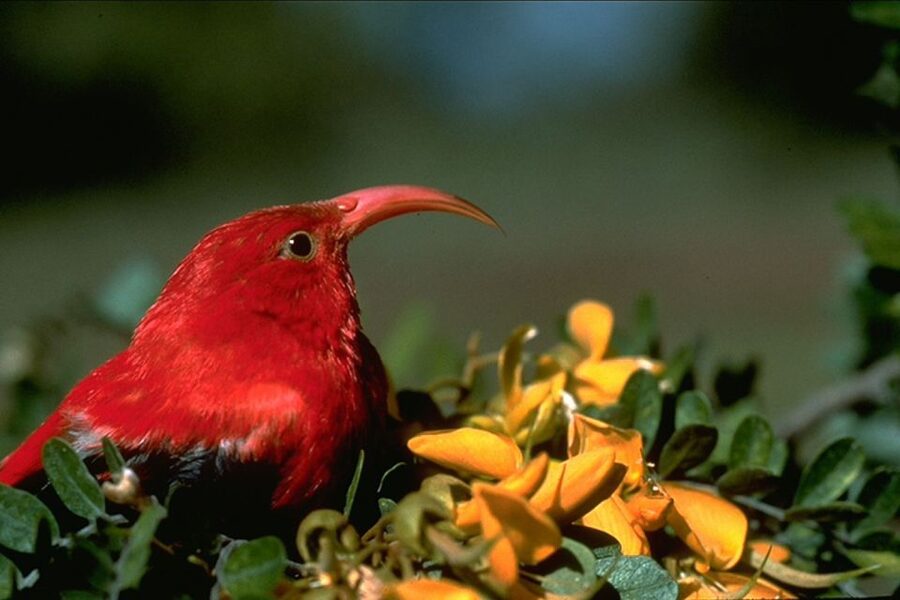
- The bird list is ambitious, including Iʻiwi, ʻApapane, ʻAkiapōlāʻau, ʻAmakihi, Hawaiʻi Creeper, ʻElepaio, ʻŌmaʻō, Pueo, and Hawaiian hawk.
- A 4WD Mercedes Sprinter crosses the refuge, helping you reach remote birding areas without walking the entire way.
- The day can include unusual natural finds, from rare native plants to carnivorous caterpillars.
- This suits active adults, not children under eight, pregnant people, or anyone who has trouble with rocky terrain or motion sickness.
Why Hakalau Forest is worth the long day
The big attraction here is not simply seeing a pretty bird. It is the chance to look for native Hawaiian species in one of the few protected forest areas where they still survive.
Hakalau Forest National Wildlife Refuge was the first refuge established specifically for forest birds. That gives the day a clear purpose. You are not just walking through trees with binoculars. You are visiting a managed habitat tied to the protection of rare species.
Hawaiian forest birds evolved in isolation, so many are found only in the islands. The list includes birds with memorable names and striking features: the red Iʻiwi, the red-orange ʻApapane, the yellow ʻAkiapōlāʻau and ʻAmakihi, the small Hawaiʻi Creeper, and the native Hawaiian hawk, or ʻIo.
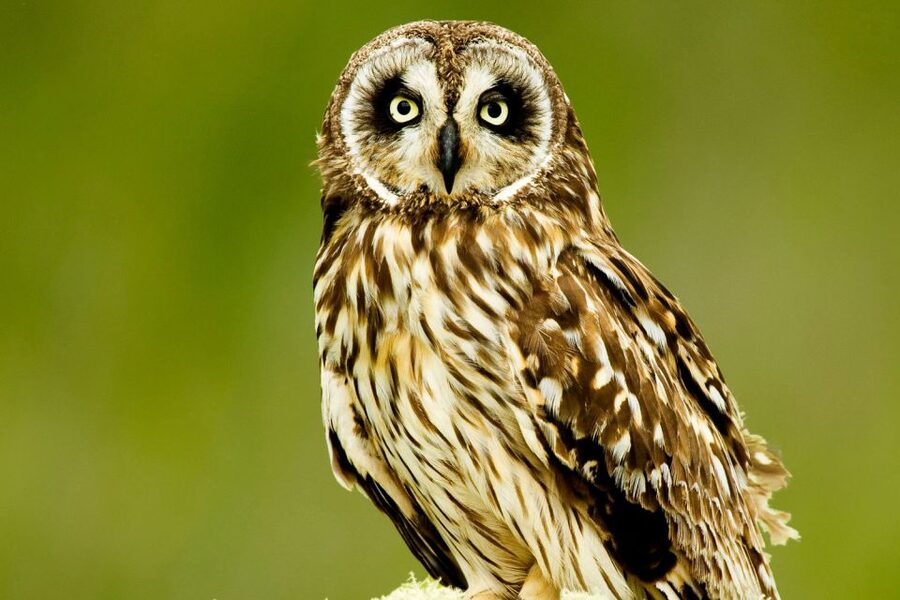
You may also search for the wide-eyed Pueo, ʻElepaio, and ʻŌmaʻō. Sightings are never guaranteed, and birding always requires patience, but this is the kind of place where a guide’s trained ear and eye matter. Gary has been praised for finding birds, helping everyone get a look, and adding stories and humor during a full day in the field.
This is also a useful trip for people who want context. The guide discusses Hawaiian nature, island history, and conservation efforts, so the forest becomes more than a succession of bird calls. You leave with a better sense of why these species are rare and why protected habitat matters.
More Hiking Tours in Big Island
- Hidden Craters Hike of Kona
★ 5.0 · 156 reviews - Secret Tide Pool Hike – Jungle & Coast – Private
★ 4.5 · 92 reviews - Kilauea: Volcanoes National Park Guided Hike
★ 4.8 · 61 reviews
Starting from Kona or Waikoloa
Pickup is available from central locations in the Kona and Waikoloa areas. Your choices include Waikōloa Plaza, Queens’ Marketplace, the Four Seasons Resort Hualalai, and the Hawaii Forest & Trail Kona headquarters.
The exact pickup time can differ from the start time shown when you book, so confirm it directly with the operator. Arrive at least 10 minutes early and look for the Hawaii Forest & Trail van marked on the front, side, and back.
Hotel pickup is not included. That matters if you are staying outside the listed central meeting areas. You will need to arrange your own way to the selected pickup point, so check the location before committing to an early start.
Once the group is together, expect about two hours in the van before reaching Hakalau Forest. That sounds long, but the distance is part of the tradeoff. You are crossing the island to reach a protected area that is not a quick stop from a resort district.
The group size is limited to nine people. That is a good number for birding because the guide can keep the group together without the feel of a large coach excursion. It also makes it easier to share binocular views and ask about a bird before it disappears into the trees.
The 4WD ride into the refuge
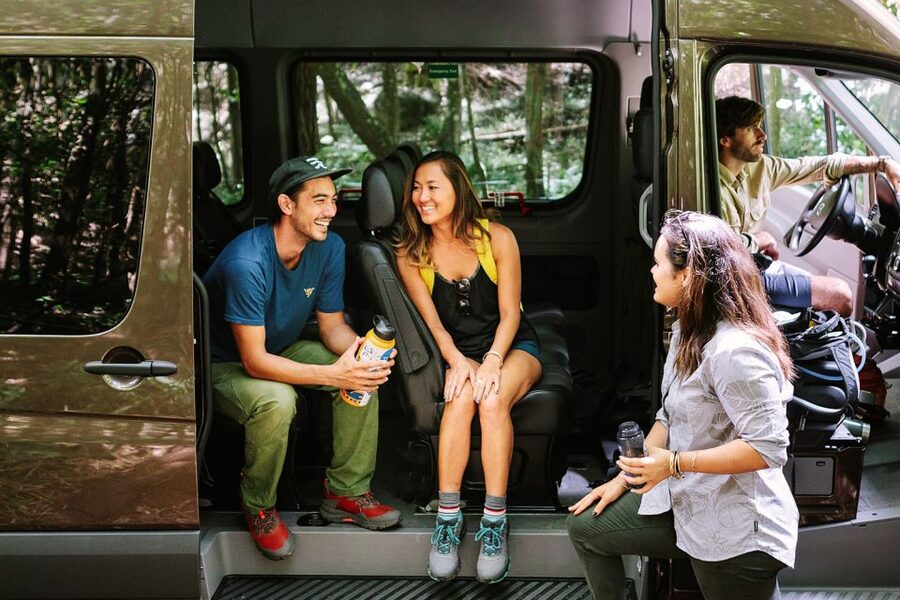
Transportation is in a short-wheelbase, 4WD Mercedes Sprinter. The vehicle is important here, not just a convenience. It allows the group to cross the refuge and reach off-the-beaten-track locations that would be difficult to reach on foot during a single day.
You should also set your expectations correctly. The rough access roads can make for a bumpy ride. One person specifically wished the off-road portion were less jarring, though that same practical drawback is tied to reaching the remote parts of the refuge.
Bring patience and a sense of humor. The ride is not a scenic transfer designed for comfort at every moment. It is the working part of the tour that gets you closer to the habitat and saves your legs for the birding walks.
Motion sickness is listed as a concern, so this is not the best choice if winding or uneven transportation usually makes you ill. If you are comfortable with a rough road and understand why the vehicle is needed, the tradeoff makes more sense.
Five hours of walking, birding, and field learning
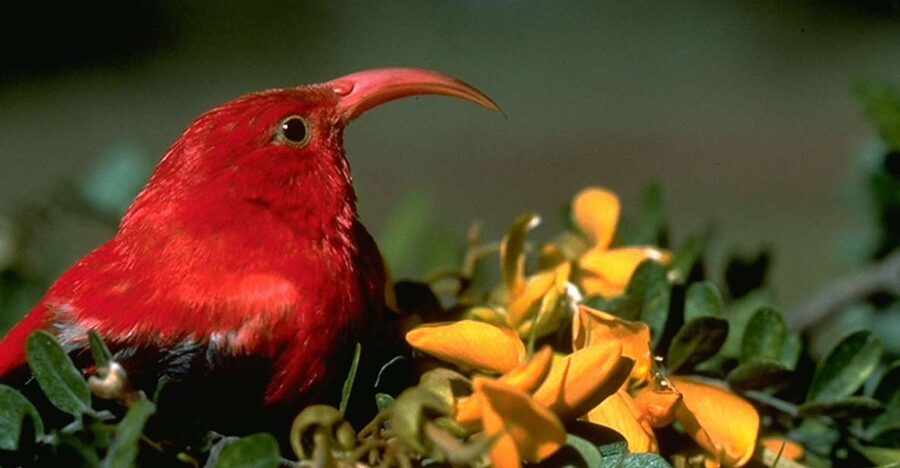
The main refuge visit lasts about five hours and includes lunch, a guided walk, hiking, and wildlife viewing. You may hike up to four miles, but the exact experience depends on conditions, bird activity, and the route used that day.
This is not a casual stroll from a parking area. You need to handle uneven or rocky terrain, and conditions can be cool, wet, or muddy. Closed-toe shoes are required, and you should wear long pants and clothes that can get dirty.
Layering is the smart approach. Temperatures can change, and rain gear is provided, but you should still bring a jacket and weather-appropriate clothing. A hat is useful, and a reusable water bottle is required because the tour provides a refill station rather than individual bottles.
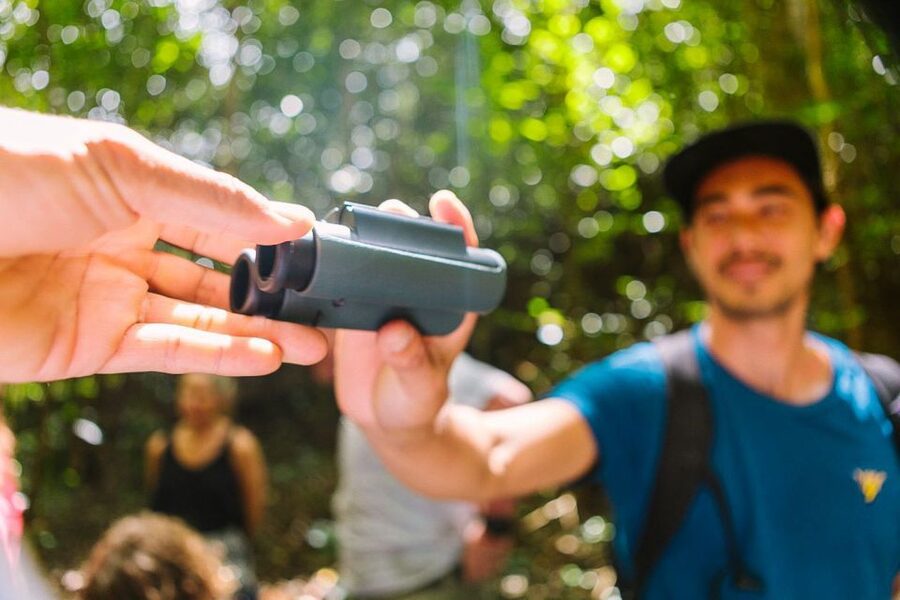
The included hiking sticks are a thoughtful touch on rough ground. Daypacks are also supplied, along with binoculars. If you already own excellent binoculars, you may prefer your own pair, but having equipment provided makes the tour easier for casual birders who do not want to buy or pack specialized gear.
The guide’s job is especially valuable during quiet periods. Birds can be small, fast, and well hidden. Gary’s role is not only to point out a species but also to help you understand where to look, what sound to listen for, and how to give other people in the group a fair chance to see it.
A successful day can mean many species, but birding is not a checklist machine. You might see several sought-after endemics, or you might spend time listening and searching for a brief movement in the canopy. The guide can improve your odds, but no responsible birding tour can promise every species.
Same island, a completely different kind of day:
- Big Island in a Day: Volcanoes Waterfalls Sightseeing and History
★ 5.0 · 6,569 reviews - Big Island Manta Ray Night Snorkel
★ 5.0 · 5,656 reviews - Big Island: Kona Manta Ray Snorkel Tour in Keauhou Harbor
★ 4.5 · 2,465 reviews - Hilo Shore Excursion: Volcanoes National Park & Black Sand Beach
★ 4.5 · 2,338 reviews
The birds you may search for
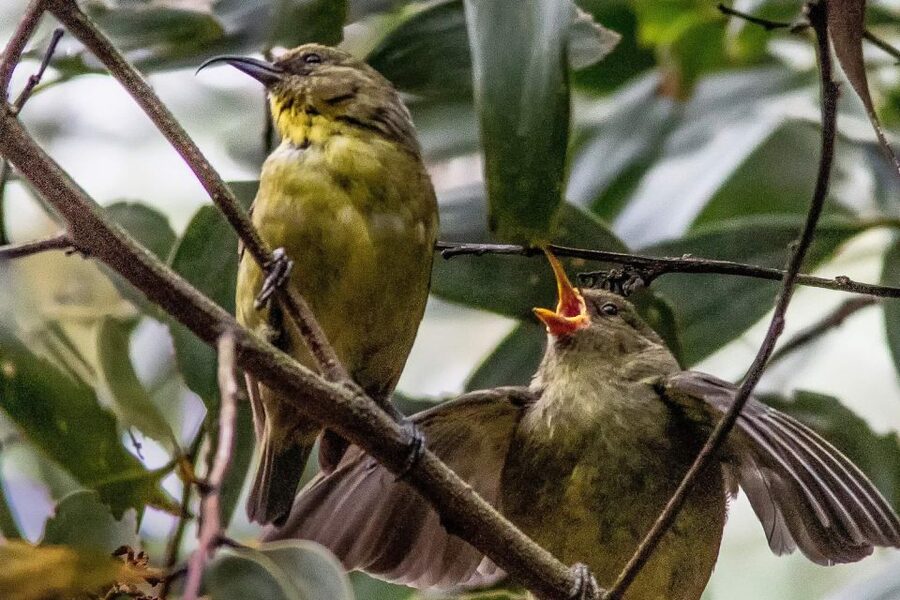
The target list is one of the strongest reasons to choose this experience. The Iʻiwi and ʻApapane bring color to the forest, while the yellow ʻAkiapōlāʻau and ʻAmakihi offer different shapes and habits to watch for.
The ʻAkiapōlāʻau is a particularly appealing target for serious birders. The Hawaiʻi Creeper may look less showy, but its rarity and specialized island story make it just as meaningful to find.
You may also look for ʻElepaio and ʻŌmaʻō, along with the Pueo and ʻIo. The Hawaiian hawk gives the day a chance to shift from small forest birds to a larger native raptor.
One experienced participant reported 12 new life birds during the day. That is a remarkable result for a birdwatcher who keeps a life list, but you do not need to be an avid birder to enjoy the outing. The guide can make the species approachable for a beginner while still giving experienced birders plenty to work toward.
The best mindset is to treat each sighting as a bonus and the forest itself as part of the experience. Even a short view can be worthwhile when the bird is endemic and the setting is protected.
Plants, insects, and the less obvious wildlife
Birds receive top billing, but the refuge visit also includes native plants and animals. The mention of carnivorous caterpillars is a reminder that the unusual finds may be small and easy to miss.
That is where a trained guide adds real value. A casual walk can pass by a native plant or strange insect without notice. With someone explaining what you are looking at, the forest becomes more detailed and surprising.
You should not expect a zoo-like wildlife show. The animals are wild, and the search depends on conditions and careful observation. That uncertainty is part of the appeal, especially if you prefer a nature experience built around attention rather than guaranteed encounters.
The conservation discussion also gives the day weight. You learn about the ongoing work to protect Hawaiian species and their habitat. For me, that makes the tour feel more worthwhile than a simple scenic drive followed by a short walk.
Food, equipment, and what you need to pack
Breakfast snacks, snacks during the day, and a deli-style lunch are included. You will not need to plan a separate meal stop, which matters during a long excursion into a remote refuge.
Water is available for refills, but individual water bottles are not provided. Bring a reusable bottle and fill it before setting out.
The tour supplies:
- Binoculars
- Daypacks
- Hiking sticks
- Rain gear
- Reef-safe sunscreen
- Breakfast snacks
- Deli-style lunch
- Snacks
- A water refill station
You still need to bring a hat, jacket, long pants, closed-toe shoes, and clothing that can handle mud or rain. Sandals, flip-flops, shorts, and open-toed shoes are not allowed. Smoking, alcohol, drugs, and pets are also prohibited.
The footwear rule is more than a formality. Rocky and muddy ground can make a poor shoe choice uncomfortable or unsafe, and the tour is not designed for people who need smooth paths or frequent mobility assistance.
Is $287 a fair price?
At $287 per person, this is not a budget sightseeing day. It becomes easier to justify when you consider what the price covers: a 12-hour outing, a professional bird-tracking guide, transportation in a 4WD vehicle, access to a restricted refuge, food, binoculars, hiking gear, rain equipment, and a small group.
You are paying for access and expertise as much as for transportation. Reaching Hakalau Forest independently would not provide the same support, and casual visitors would likely miss many of the birds and small natural details that a specialist can identify.
The value is strongest for birders, nature photographers, and people who want a focused conservation experience. If you mainly want a relaxed Big Island sightseeing day, the long van ride, rough road, and four-mile hike may not feel worth the cost.
The small group improves the equation. Nine people is still enough for shared energy and conversation, but small enough for the guide to help individuals find a bird. The high rating across the available feedback also points to consistent satisfaction, with particular praise for Gary’s birding skill, storytelling, and effort to help everyone see the birds.
Who should book this day
I would choose this tour if you have a real interest in native Hawaiian wildlife and can manage a physically active day. You do not need advanced birding experience, but curiosity helps.
It is a good match for:
- Casual or serious birdwatchers
- Nature lovers who want a guided field experience
- Visitors interested in Hawaiian conservation
- People comfortable with long drives and rough roads
- Hikers who can manage up to four miles on uneven ground
- Anyone who wants to see species found only in Hawaii
I would think twice if you dislike bumpy rides, get motion sick, or need accessible paths. The tour is not suitable for children under eight, pregnant women, people with back problems, or people with mobility impairments.
The minimum operating group is four people. If the minimum is not reached, the operator will notify you at least 24 hours ahead and offer a rescheduled date or full refund.
Should you book the Hakalau Forest birding tour?
Book it if Hakalau Forest and Hawaiian endemic birds are high on your Big Island list. The combination of restricted access, a small group, specialist guiding, and supplied field equipment gives you a strong chance to learn something and see species you would be unlikely to find on your own.
I would not book it simply because you have a free day and want easy sightseeing. The schedule is long, the road can be rough, and the walking surface may be wet or muddy.
For the right person, this is one of the more focused nature outings on the island. Guide Gary’s bird-finding ability and stories add real value, while the refuge provides the rare species and conservation setting that make the effort worthwhile.
FAQ
How long does the Hakalau Forest tour last?
The experience lasts 12 hours, including about two hours of transportation each way and roughly five hours at Hakalau Forest National Wildlife Refuge.
Where can I meet the tour?
Pickup is available from selected locations in the Kona and Waikoloa areas, including Waikōloa Plaza, Queens’ Marketplace, Four Seasons Resort Hualalai, and the Hawaii Forest & Trail Kona headquarters.
Is hotel pickup included?
No. Hotel pickup and drop-off are not included. You must reach one of the selected central meeting locations.
How much hiking is involved?
You may hike up to four miles on uneven or rocky terrain. Conditions can sometimes be cool, wet, or muddy.
What birds might I see?
The search may include Iʻiwi, ʻApapane, Pueo, ʻAkiapōlāʻau, ʻAmakihi, Hawaiʻi Creeper, ʻElepaio, ʻŌmaʻō, and the Hawaiian hawk, ʻIo. Sightings are not guaranteed.
What equipment and food are provided?
The tour provides binoculars, daypacks, hiking sticks, rain gear, reef-safe sunscreen, breakfast snacks, snacks, lunch, and a water refill station. You need to bring a reusable water bottle.
Who should not take this tour?
The experience is not suitable for children under eight, pregnant women, people with back problems, people with mobility impairments, or people prone to motion sickness. Sandals and open-toed shoes are not allowed.
Just added around Big Island
- Kalaoa: Big Island and Kona Midday Whale Watching Tour★ 4.3 · 29 reviews
- Kailua-Kona: Pacific Humpback Whale Watch Excursion★ 5.0 · 4 reviews
- Kailua Kona: Humpback Whale Watching Adventure Cruise★ 4.5 · 33 reviews
- Kona Hi, Sunset Manta Ray Tour 10 passengers maximum★ 5.0 · 14 reviews
- Kailua-Kona: Night Manta Snorkel or Dive★ 4.6 · 7 reviews
- Kona Tradewind Catamaran Sail with Cocktails★ 4.7 · 5 reviews
- Big Island: Kona Half-Day Boat Tour with Snorkeling & Lunch★ 5.0 · 34 reviews
- Kailua-Kona: Haunted History Ghost Walking Tour★ 4.1 · 8 reviews
Hiking & Trekking, compared.
Small Group Waterfall and Rainforest Hiking Adventure on Maui
Read our review →
Kauai Adventure: Kayak & Hike to Secret Falls with Expert Guide
Read our review →
Secret Falls Kayak & Hike Guided Adventure on the Wailua River
Read our review →
Wailua River Kayak and Sacred Falls Guided Hike with Lunch
Read our review →
Waterfall & Rainforest Hiking Adventure with Hotel Pickup
Read our review →
Manoa Falls Waterfall Hike with Lunch and Transfers
Read our review →
Diamond Head Hike with Roundtrip Transportation
Read our review →Browse the lists this tour appears in