
Reviewed · BIG ISLAND TOURS
Kaimana Ocean Safari
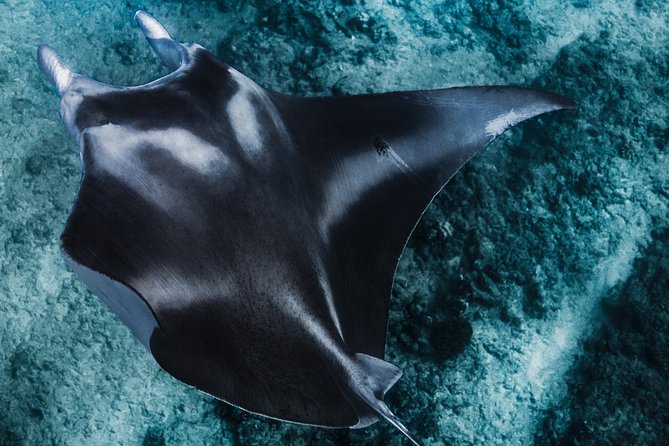
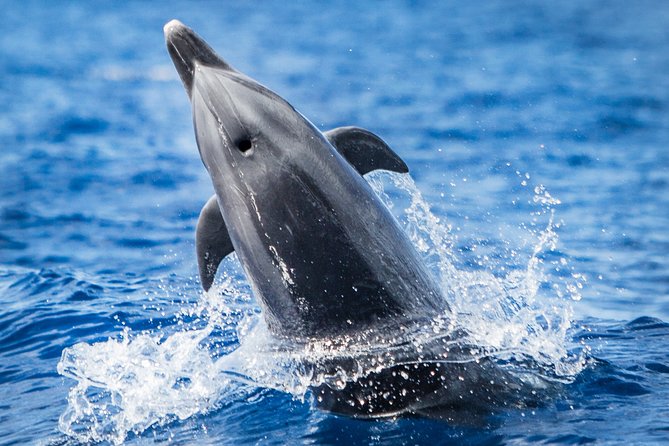
The most unusual thing about Kaimana Ocean Safari is its safari approach: you do not simply motor to one fixed reef and call it a day. You scan Kona’s dramatic coast, then move with the conditions and wildlife. I like the small maximum of six people and the serious attention to animal safety. I also like the chance to see both reef species and open-ocean animals, from turtles and fish to dolphins, whales, manta rays, and sharks.
The tradeoff is clear. This is not a gentle beginner snorkel with guaranteed sightings. You spend time in deep water, wildlife is unpredictable, and you need to swim well, climb a ladder, and handle a moderately active boat outing. At $200 per person, it earns its price only if you value a personal, wildlife-focused search rather than a simple beach-style snorkel.
Key points before you book
- Four hours on Kona’s coast: You have enough time to search several areas instead of rushing through one short stop.
- Maximum of six people: The small boat lets the crew adjust the plan and keep a close eye on everyone in the water.
- Open-ocean wildlife search: Dolphins, whales, manta rays, sharks, turtles, rays, and large fish are possible, but none are promised.
- Strong-swimmer requirement: You should be comfortable in deep water and able to climb a boat ladder.
- Clear safety and conservation focus: The crew explains how to behave around wildlife and keeps distance when conditions require it.
- Bring your own basics: Pack reef-safe zinc sunscreen, a towel, rash guard, sun protection, and a reusable water bottle.
What makes this Kona boat trip different
Most snorkeling trips have a set destination. Kaimana Ocean Safari works more like a moving search party. From the moment you leave the harbor area, the crew scans the water and coastline for signs of marine life.
That matters along Kona because the ocean floor drops quickly offshore. In one outing, you might look at shallow reef fish and turtles, then move toward open water where larger animals may pass. The same coastline can offer two very different settings: calm, structured reef snorkeling and a wide ocean search with no fixed script.
I like that this format gives the crew room to respond to conditions. If visibility is poor at one location, the captain may choose another. If dolphins, whales, or rays appear in a different area, the boat can spend time looking there instead of sticking rigidly to a timetable.
The downside is that flexibility can feel like uncertainty. You may travel between several spots and see less than you hoped. One particularly unhappy account described poor snorkeling, several open-water stops without wildlife, and a final manta search that felt too close to a commercial manta area. That experience is a useful warning: even an excellent crew cannot turn a wild ocean into a predictable aquarium.
A few more Big Island mornings worth comparing
- Big Island in a Day: Volcanoes Waterfalls Sightseeing and History
★ 5.0 · 6,569 reviews - Big Island Manta Ray Night Snorkel
★ 5.0 · 5,656 reviews - Big Island: Kona Manta Ray Snorkel Tour in Keauhou Harbor
★ 4.5 · 2,465 reviews
A four-hour morning on the water
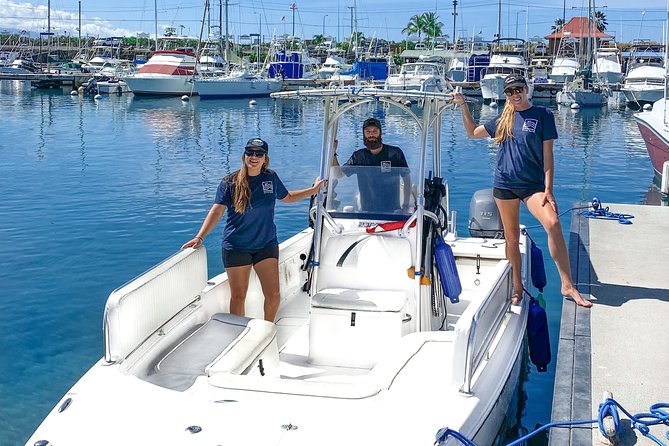
The tour begins at 8:00 a.m. at 74 Kealakehe Parkway in Kailua-Kona and ends back at the same meeting point. The total time is about four hours, giving the crew a full morning to cover water and adapt to what the ocean offers.
You start with a safety briefing and an explanation of the animals you might encounter. The crew also explains how to act in the water. This is not just a formality. Some possible encounters, including sharks, whales, or large groups of dolphins, require you to stay calm, follow instructions, and give the animals room.
The crew has included Cam, Dev, Kay, Olivia, Alice, Morri, and Liv on different outings. The strongest praise centers on friendly direction, clear safety instructions, and a real interest in marine life. You should expect the crew to help with your mask and snorkel, explain what you are seeing, and tell you when to stay close to the boat or guide.
After the briefing, the boat begins the search. The crew looks for movement at the surface, birds, fins, blows, unusual water activity, and signs of animals below. You may spend part of the trip simply riding and watching. That is an important point to understand before booking: this is not four hours of constant snorkeling.
Reef water, open ocean, and possible stops
The exact route changes with weather, visibility, sea conditions, and wildlife. You may begin with a reef stop to get comfortable in the water. One outing included a warm-up stop near Makako Bay, followed by a search farther offshore. Another included snorkeling at Captain Cook after an open-ocean encounter, giving less confident swimmers a calmer place to enjoy the water.
Treat those locations as possible examples, not a fixed schedule. The operator does not promise a particular bay or animal. The value of the safari format is the search itself, not a guaranteed list of stops.
A reef stop can be the best part of the morning for anyone who prefers fish, coral, turtles, and clear water. It also gives you a chance to check your mask and breathing before the boat heads into deeper water. But conditions may lead the crew to reject a site if the water is not clear enough. That can feel disappointing in the moment, yet it is better than putting a group into poor visibility.
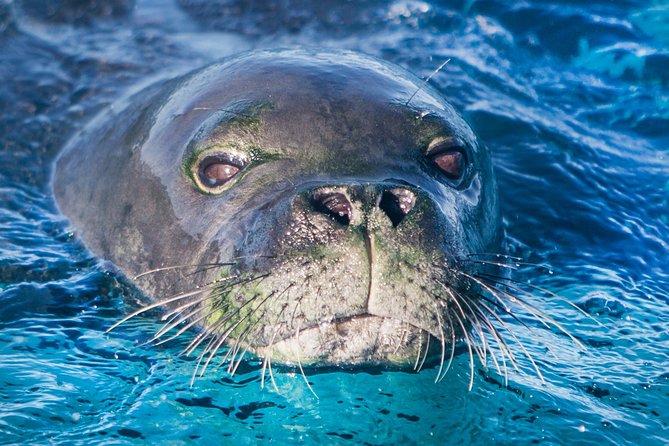
The offshore portion is more ambitious. You may stop in open water to look for pelagic animals, meaning species that spend time away from the reef. Reports from different outings include spinner dolphins, bottlenose dolphins, pilot whales, humpback whales, beaked whales, false killer whales, manta rays, tiger sharks, white-tip sharks, hammerheads, tuna, marlin, sea turtles, and eagle rays.
That list shows the range of the setting, not a promise. Some mornings may bring several species close to the boat. Other mornings may bring a quiet sea and a long search. If you need a guaranteed animal encounter, this is the wrong kind of excursion.
The wildlife encounters can be extraordinary
The best possible moments here are rare and completely natural. A pod of pilot whales may appear. A manta ray may glide past. A humpback may surface near the boat, or dolphins may ride the wake.
On one outing, a strong swimmer entered the water near pilot whales in roughly 4,000 feet of water. The crew later used Captain Cook for reef snorkeling, which gave everyone another way to enjoy the morning. Other accounts describe swimming near white-tip sharks, seeing a blue marlin pass close by, hearing a whale underwater, and watching a young whale breach repeatedly.
These encounters need to be viewed with the right attitude. You are not visiting a controlled wildlife park. You may see a spectacular animal from the boat but never enter the water with it. You may enter the water and find that the animal moves away. That is part of responsible wildlife tourism.
The crew’s strongest quality is its handling of that unpredictability. Safety briefings are clear, and the guides are described as taking both human safety and animal welfare seriously. They maintain proper distance, collect trash, and avoid treating every close approach as permission to chase.
Some people may find the crew’s verbal direction from the boat a little intense. The operator’s response to criticism makes the reason clear: staying close to a guide and following shouted instructions can matter when you are near a shark, whale, or fast-moving pod. If you want to swim freely on your own, this is not the right setup.
Same island, a completely different kind of day:
- Hilo Shore Excursion: Volcanoes National Park & Black Sand Beach
★ 4.5 · 2,338 reviews - Big Island: Captain Cook Snorkel On A Power Catamaran With Lunch
★ 5.0 · 2,232 reviews - KONA Manta Ray Night Snorkel – FREE re-ride if no Sightings
★ 5.0 · 2,212 reviews - Manta Ray Night Snorkel at Kona, Big Island
★ 5.0 · 1,758 reviews
Why six people changes the experience
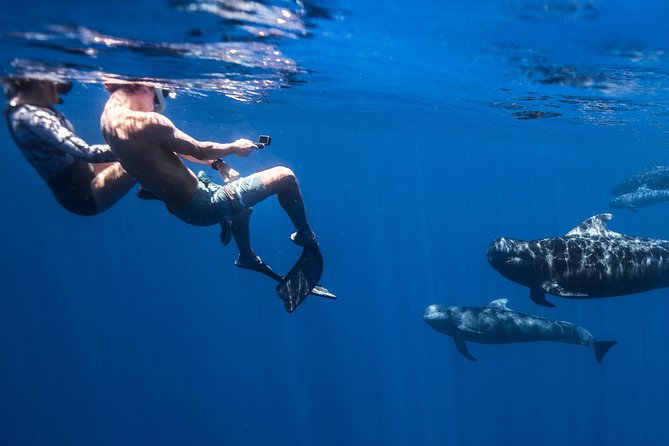
The boat carries a maximum of six people. That is a major selling point in Kona, where larger snorkel boats can make the water feel crowded and reduce personal attention.
With six or fewer, the crew can learn your comfort level and respond to it. Strong swimmers may be ready for open water, while someone less confident may need extra help with equipment or prefer to remain near the boat. One account describes the crew making room for different comfort levels, which is especially useful when the group includes mixed abilities.
The small size also helps with wildlife watching. You have a better chance of hearing the guide, getting a clear view from the boat, and moving without a large crowd around you. It does not guarantee a private charter, but it gives the outing a personal feel.
The boat is described as small and comfortable. A smaller vessel can reach areas that larger boats may avoid, but it also means more motion and less space to spread out. If you are prone to seasickness, ask about the conditions before setting out and plan accordingly. The supplied information does not list seasickness medicine or a shaded cabin, so bring only what you know you can safely manage.
Who should book this tour
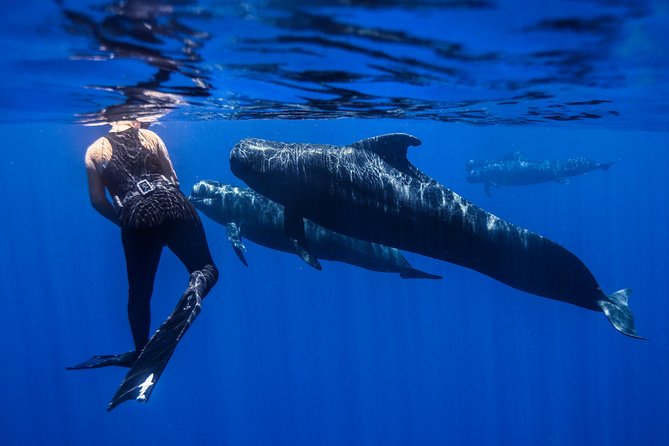
This safari suits you if you:
- Swim confidently in open water
- Can climb a ladder from the ocean back onto the boat
- Have moderate physical fitness
- Enjoy wildlife watching even when sightings are uncertain
- Want a small group and direct contact with the crew
- Are willing to follow strict instructions around animals
- Prefer a flexible search to a fixed snorkel stop
It may not suit young children or first-time snorkelers. The operator has a four-foot minimum height for children and a 300-pound in-water weight limit, with the added requirement that you must be able to climb the ladder. Those rules are practical safety limits, not minor fine print.
You also need to be comfortable with the possibility of deep water. The boat goes offshore on nearly every outing in search of pelagic life. A child who enjoys a calm hotel pool may still feel overwhelmed here.
What to bring, and what not to expect
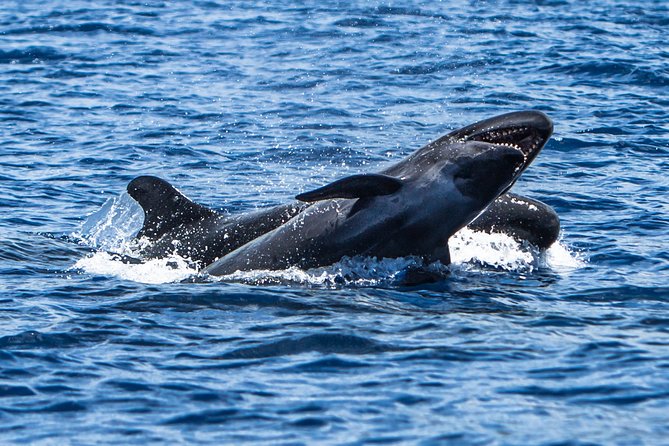
Snorkeling equipment, snacks, and filtered water are provided. The operator does not use single-use plastic, so bring a reusable bottle if you have one.
You need to bring a towel, rash guard, and sun protection. Use reef-safe, zinc-only sunscreen. Apply it before boarding so it has time to settle, and remember that a rash guard can be more useful than relying on sunscreen alone during a long morning on the water.
Do not expect towels, personal sun gear, or bottled water in single-use plastic containers. Also do not expect the crew to promise manta rays, whales, dolphins, or sharks. The possible sightings are impressive, but the honest product is a search for wild animals.
The mobile ticket is convenient, and confirmation is provided at booking. Service animals are allowed, and the starting point is near public transportation. If you are arriving by cruise ship, confirm with the cruise line at least 24 hours ahead that you will be allowed off the ship in time. That is your responsibility, and missing the boat because of ship procedures would not be a good way to start the morning.
Is $200 a fair price?
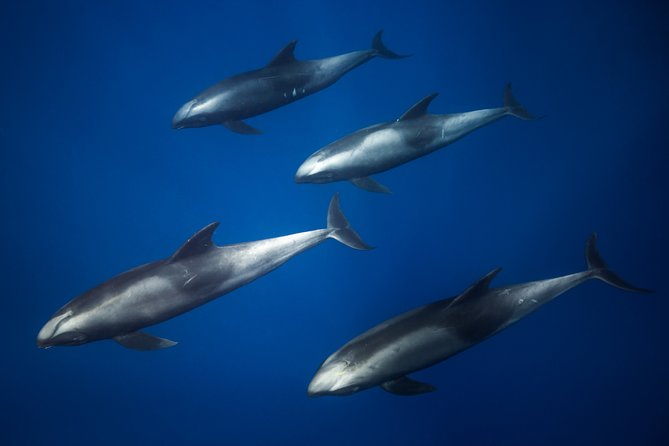
At $200 per person, Kaimana Ocean Safari is not a bargain snorkel. You are paying for a small group, four hours on the water, a flexible route, equipment, snacks, water, and a crew searching a large area for wildlife.
The value improves if you care about personal attention and unusual encounters. A morning that includes dolphins, whales, rays, or a shark can become one of the defining experiences of a Big Island visit. Several outings included multiple species in one trip, and the crew’s conservation approach adds value for anyone who wants wildlife contact handled with care.
The value drops if your main goal is simply to see coral and common reef fish. A less expensive, fixed-location snorkel may suit you better. It also drops if you need certainty. A quiet ocean day can still involve four hours of boat travel and several stops without a major sighting.
There may be an optional photo package, based on one outing. That can be useful if you want to stay focused on the moment instead of managing a camera, but it is not listed as part of the base price. Ask about the current photo option before booking.
Weather, cancellation, and the sensible backup plan
The tour requires good weather and a minimum number of people. If weather cancels the trip, you are offered another date or a full refund. The same applies if the minimum number is not met.
You can cancel for a full refund up to 24 hours before the start time. Cancellations or changes inside 24 hours are not refunded or accepted. The cutoff uses local time, so keep that in mind when making plans.
This policy matters because Kona’s ocean conditions can change. One family received a full refund when a tropical storm made the outing unsuitable, which is the sort of flexibility you want from a small ocean operator. Still, you should avoid scheduling this on the final morning of your holiday if a cancellation would leave you with no replacement day.
Should you book Kaimana Ocean Safari?
Book it if you want a small, active, wildlife-first outing and you are comfortable with open water, a ladder, and uncertainty. The chance to see dolphins, whales, manta rays, sharks, and turtles in their natural setting is real, and the crew’s safety and conservation focus is a strong reason to choose this boat.
Skip it if you want a guaranteed reef, a relaxed beginner snorkel, or a large stable vessel with a fixed plan. For the right swimmer, the flexible safari style can produce an exceptional morning. For someone who needs predictable sightseeing, $200 is a lot to spend on a search.
FAQ
Where does Kaimana Ocean Safari start?
The tour starts at 74 Kealakehe Parkway in Kailua-Kona, Hawaii.
What time does the tour begin?
The scheduled start time is 8:00 a.m.
How long does the tour last?
The experience lasts about four hours and ends back at the starting point.
How many people can join the boat?
The activity has a maximum of six participants.
What animals might I see?
Possible sightings include sea turtles, reef fish, dolphins, humpback whales, pilot whales, manta rays, sharks, rays, tuna, and marlin. Wildlife sightings are never guaranteed.
Do I need to be a strong swimmer?
You should be able to swim, have moderate physical fitness, enter deep water, and climb the boat ladder. The operator notes that this may not suit beginners or some children.
Is there a child height requirement?
Children must be at least four feet tall.
Is there an in-water weight limit?
The in-water weight limit is 300 pounds, and you must still be able to climb the ladder.
What is included, and what should I bring?
Snorkeling equipment, snacks, and filtered water are included. Bring a reusable bottle, towel, rash guard, and sun protection. The operator asks you to use reef-safe, zinc-only sunscreen.
Just added around Big Island
- Kailua-Kona: Pacific Humpback Whale Watch Excursion★ 5.0 · 4 reviews
- Kalaoa: Big Island and Kona Midday Whale Watching Tour★ 4.3 · 29 reviews
- Kailua Kona: Humpback Whale Watching Adventure Cruise★ 4.5 · 33 reviews
- Kona Hi, Sunset Manta Ray Tour 10 passengers maximum★ 5.0 · 14 reviews
- Kailua-Kona: Night Manta Snorkel or Dive★ 4.6 · 7 reviews
- Big Island: Kona Half-Day Boat Tour with Snorkeling & Lunch★ 5.0 · 34 reviews
- Kailua-Kona: Haunted History Ghost Walking Tour★ 4.1 · 8 reviews
- Kona Tradewind Catamaran Sail with Cocktails★ 4.7 · 5 reviews
Big Island Tours, compared.
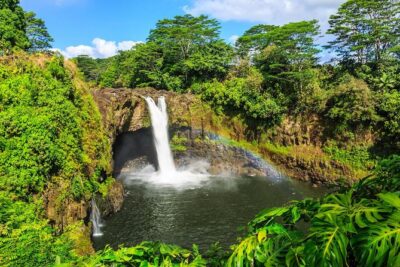
Big Island in a Day: Volcanoes Waterfalls Sightseeing and History
Read our review →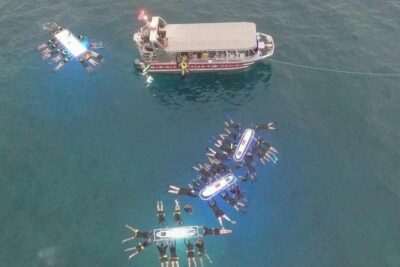
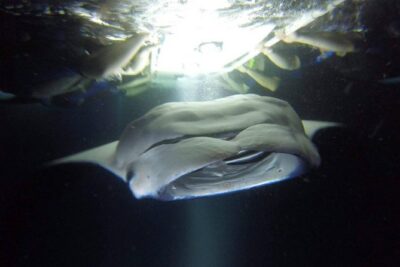
Kona Manta Ray Snorkel Tour in Keauhou Harbor
Read our review →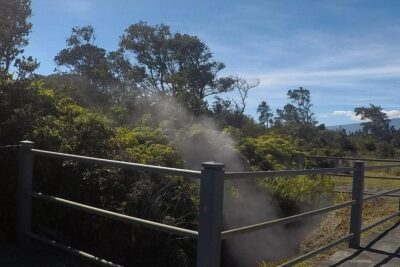
Hilo Shore Excursion: Volcanoes National Park & Black Sand Beach
Read our review →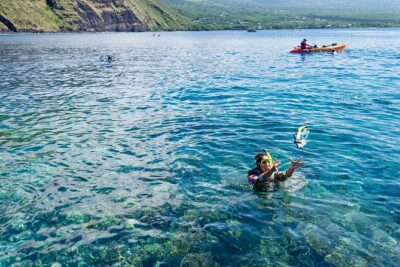
Captain Cook Snorkel On A Power Catamaran With Lunch
Read our review →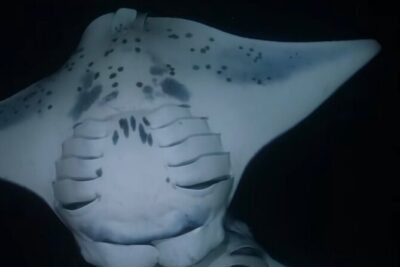
KONA Manta Ray Night Snorkel – FREE re-ride if no Sightings
Read our review →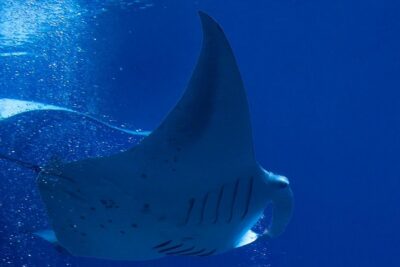

Big Island GOAT Experience: Mauna Kea Summit, Sunset & Stars
Read our review →Browse the lists this tour appears in